THE ADVENTURE COLLECTIVE® · Independent discovery and booking for outdoor travel

Spend a day in Peneda-Gerês National Park from Porto—short hikes, a possible swim beneath a hidden waterfall, and a traditional lunch with vinho verde. Small groups, expert local guides, and panoramic viewpoints make this an ideal one-day escape into northern Portugal’s wild interior.
Spend a day in Peneda-Gerês National Park from Porto—short hikes, a possible swim beneath a hidden waterfall, and a traditional lunch with vinho verde. Small groups, expert local guides, and panoramic viewpoints make this an ideal one-day escape into northern Portugal’s wild interior.
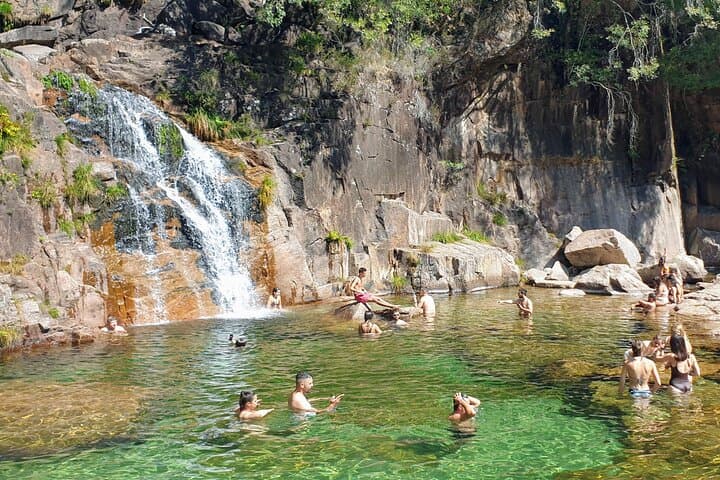
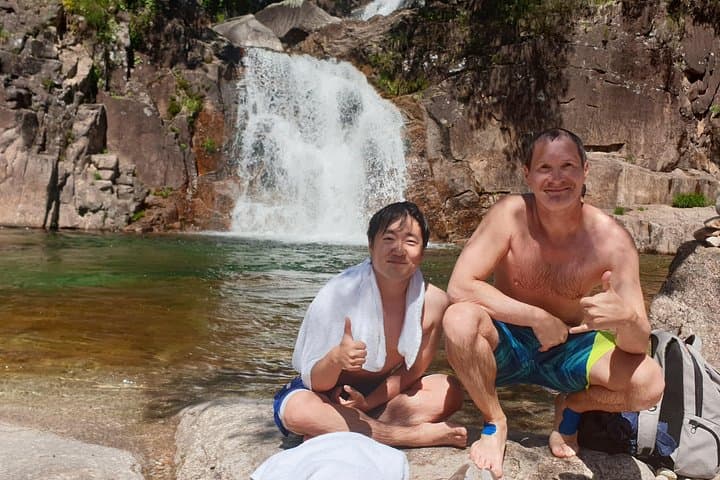
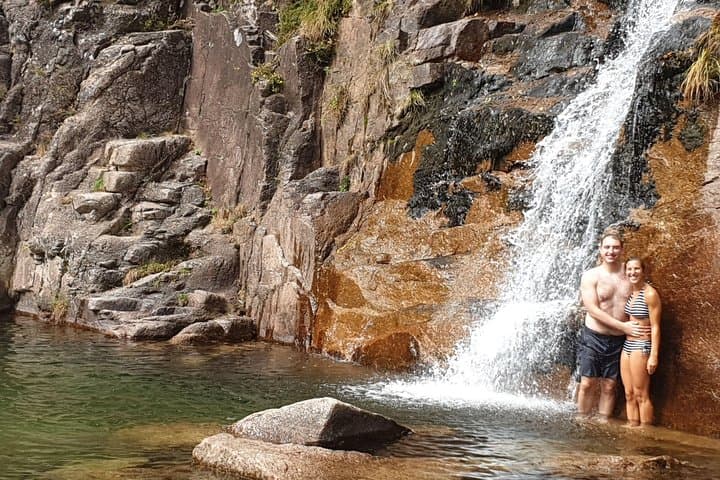
Steam rises off a shaded pool as you step closer: the waterfall is louder up close, its curtain of water daring you to take the plunge. On a clear morning the granite cliffs around Peneda-Gerês throw back sunlight in hard-edged washes; on cloudy days the mountains brood, fog sliding through the pines like a slow-moving sea. This is a day that alternates between motion and quiet—short hikes to lookouts, a cool dip when conditions allow, and a long, slow lunch that tastes of the land.
Verified experiences and guided adventures in the surrounding area.
Operated by Oporto Sensations Tour · Vila do Gerês, Braga
Steam rises off a shaded pool as you step closer: the waterfall is louder up close, its curtain of water daring you to take the plunge. On a clear morning the granite cliffs around Peneda-Gerês throw back sunlight in hard-edged washes; on cloudy days the mountains brood, fog sliding through the pines like a slow-moving sea. This is a day that alternates between motion and quiet—short hikes to lookouts, a cool dip when conditions allow, and a long, slow lunch that tastes of the land.
Peneda-Gerês is Portugal’s only national park and a UNESCO Biosphere Reserve. The landscape was carved by ancient schist and granite, cut into steep ridges and river-carved valleys. Human history here is visible in stone: shepherd tracks, village terraces, and the curious fojo—circular wolf traps made by generations who shared the mountains with large carnivores. That mix of geology and culture gives every viewpoint context; you’re not just seeing scenery, you’re reading layers of use and time.
Local culture centers on mountain food and small-scale farming. The lunch on this small-group tour highlights that: organic, regionally grown vegetables, slow-cooked stews, and a tasting of vinho verde—the region’s lightly effervescent young wine. Guides who grew up nearby translate place names and point to features most visitors miss: an old path marker, a shepherd’s stone wall, a patch of orchids in spring.
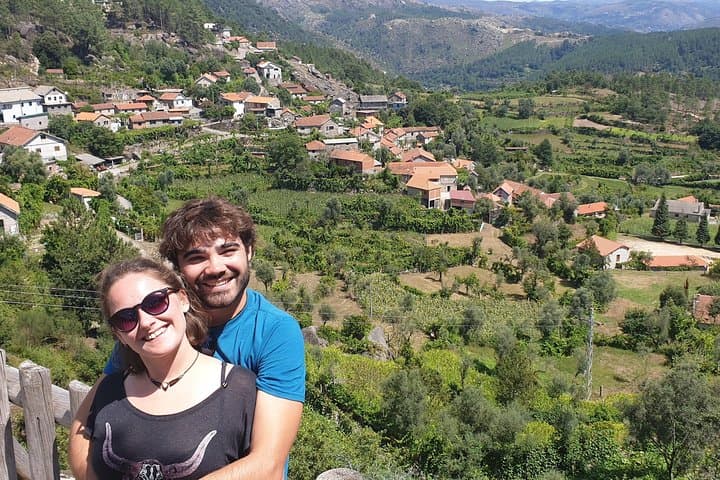
Practically, the day is paced for comfort. Pickup is in Porto and the vehicle ride into the park takes you across a shifting landscape—coastal plain to craggy interior. Expect several short walks (uneven trails, up to 45 minutes at a time), viewpoint stops and one longer village visit. Swimming is offered when weather and water conditions are safe; guides assess currents and depth before anyone enters.
Bring footwear with grip: granite can be slick. Layers matter; mornings are cool, afternoons can warm quickly. Hydration, sunscreen and a quick-dry towel will keep the day moving. Carry a small amount of cash for incidental purchases; many mountain villages have limited card options.
This trip is best for travelers who want an active day without technical effort: a chance to move, cool off, and eat well while seeing one of Portugal’s wildest corners. Time your visit for spring rivers or late summer swims, and leave room in your camera roll for a waterfall that refuses to look the same twice.
moderate.
9 hours.
Suitable for travelers with average fitness who can manage several short walks and short hikes on uneven terrain.
The tour runs approximately 9 hours; pickup from Porto in the morning and return in the evening—exact times depend on pickup point and traffic.
No—swimming is weather and water-condition dependent; the guide makes the final call for safety reasons.
Round-trip transport from Porto, small-group guiding, lunch with local dishes, vinho verde tasting, bottled water, and any necessary umbrellas.
Yes—children are welcome but must be accompanied by an adult; some walking and exposed viewpoints may be unsuitable for very young kids.
Pickup is provided within Porto; if you are staying outside Porto you must meet the group at the designated meeting point in front of the Clérigos Tower.
Groups are small—up to 8 people—allowing for a more personalized experience and easier access to narrow mountain roads.
The park hosts ancient pastoral landscapes and stone wolf traps (fojos) that reflect centuries of human interaction with large predators.
Peneda-Gerês faces pressure from tourism and water use; stick to trails, avoid disturbing wildlife, and support guided operators who follow local conservation rules.
Oporto Sensations Tour operates guided outdoor trips and adventures with an emphasis on safety, stewardship, and memorable experiences.
Steam rises off a shaded pool as you step closer: the waterfall is louder up close, its curtain of water daring you to take the plunge. On a clear morning the granite cliffs around Peneda-Gerês throw back sunlight in hard-edged washes; on cloudy days the mountains brood, fog sliding through the pines like a slow-moving sea. This is a day that alternates between motion and quiet—short hikes to lookouts, a cool dip when conditions allow, and a long, slow lunch that tastes of the land.
Steam rises off a shaded pool as you step closer: the waterfall is louder up close, its curtain of water daring you to take the plunge. On a clear morning the granite cliffs around Peneda-Gerês throw back sunlight in hard-edged washes; on cloudy days the mountains brood, fog sliding through the pines like a slow-moving sea. This is a day that alternates between motion and quiet—short hikes to lookouts, a cool dip when conditions allow, and a long, slow lunch that tastes of the land.
Peneda-Gerês is Portugal’s only national park and a UNESCO Biosphere Reserve. The landscape was carved by ancient schist and granite, cut into steep ridges and river-carved valleys. Human history here is visible in stone: shepherd tracks, village terraces, and the curious fojo—circular wolf traps made by generations who shared the mountains with large carnivores. That mix of geology and culture gives every viewpoint context; you’re not just seeing scenery, you’re reading layers of use and time.
Local culture centers on mountain food and small-scale farming. The lunch on this small-group tour highlights that: organic, regionally grown vegetables, slow-cooked stews, and a tasting of vinho verde—the region’s lightly effervescent young wine. Guides who grew up nearby translate place names and point to features most visitors miss: an old path marker, a shepherd’s stone wall, a patch of orchids in spring.
Practically, the day is paced for comfort. Pickup is in Porto and the vehicle ride into the park takes you across a shifting landscape—coastal plain to craggy interior. Expect several short walks (uneven trails, up to 45 minutes at a time), viewpoint stops and one longer village visit. Swimming is offered when weather and water conditions are safe; guides assess currents and depth before anyone enters.
Bring footwear with grip: granite can be slick. Layers matter; mornings are cool, afternoons can warm quickly. Hydration, sunscreen and a quick-dry towel will keep the day moving. Carry a small amount of cash for incidental purchases; many mountain villages have limited card options.
This trip is best for travelers who want an active day without technical effort: a chance to move, cool off, and eat well while seeing one of Portugal’s wildest corners. Time your visit for spring rivers or late summer swims, and leave room in your camera roll for a waterfall that refuses to look the same twice.