THE ADVENTURE COLLECTIVE® · Independent discovery and booking for outdoor travel

Ride Nairobi at dawn and discover a city of markets, colonial tracks, and green viewpoints. This full-day cycling tour mixes urban riding with community stops and panoramic skyline views—ideal for travelers who want local flavor and practical adventure.
Ride Nairobi at dawn and discover a city of markets, colonial tracks, and green viewpoints. This full-day cycling tour mixes urban riding with community stops and panoramic skyline views—ideal for travelers who want local flavor and practical adventure.
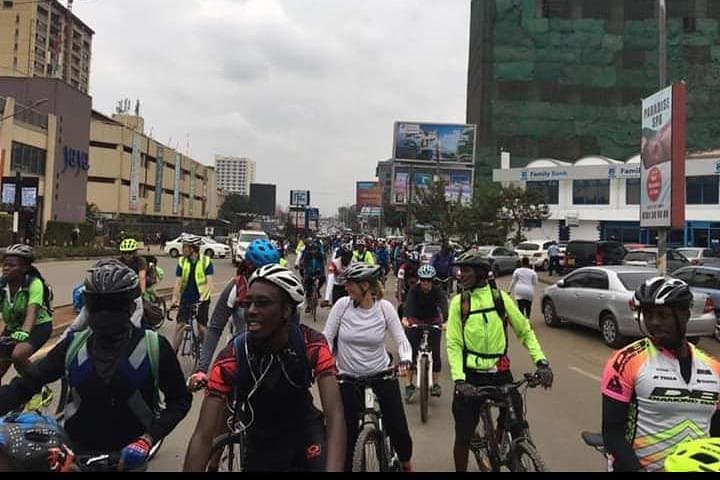
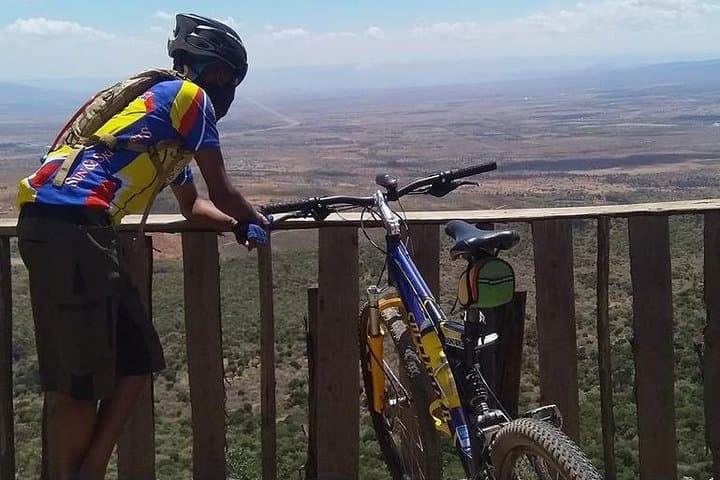
You start before the city wakes, tires whispering on tarmac as the skyline brightens from slate to gold. Nairobi moves around you—vendors setting up stalls, matatus (shared minibuses) calling out routes, schoolchildren in crisp uniforms—while your guide points out the first plaque, the old railway corridor, a boulevard flanked by jacaranda trees. The rhythm is urban: a push, a pause at a market stall for roasted maize, then a climb toward Nairobi Viewpoint where the city flattens into a map beneath you.
Verified experiences and guided adventures in the surrounding area.
Operated by Jairo Kimonge Mwangoma · Nairobi, Nairobi County
You start before the city wakes, tires whispering on tarmac as the skyline brightens from slate to gold. Nairobi moves around you—vendors setting up stalls, matatus (shared minibuses) calling out routes, schoolchildren in crisp uniforms—while your guide points out the first plaque, the old railway corridor, a boulevard flanked by jacaranda trees. The rhythm is urban: a push, a pause at a market stall for roasted maize, then a climb toward Nairobi Viewpoint where the city flattens into a map beneath you.
This ride threads through Nairobi’s colonial-era arteries and contemporary neighborhoods. Founded at the turn of the 20th century as a railway depot, the city still bears tracks and brick warehouses that mark its origin as East Africa’s transport hub. Geologically, the highland sits on ancient marine sediments uplifted into the Kenyan Plateau; at roughly 1,700–1,800 meters above sea level the air is thinner and unexpectedly cool in the mornings, making climbs feel brisk.
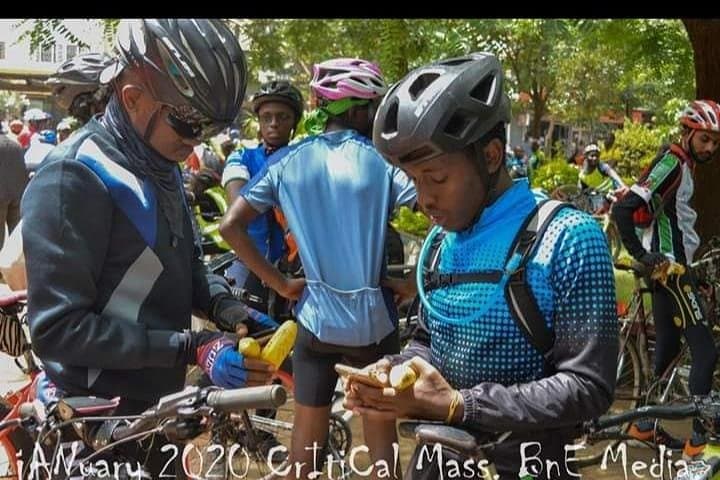
Culture is always close at hand. You’ll pass open-air markets where artisans shape beadwork tied to Maasai traditions, and community projects where cyclists pause to share food or donations—an element many tours include as part of a social exchange. If the group opts for the extended route beyond the city fringe, Nairobi National Park’s plains and resident wildlife become a surprising contrast to urban streets.
Practical snapshot: expect 20–40 km of riding on mostly paved roads with occasional short dirt tracks—flat stretches interrupted by several 50–200 m climbs, adding up to roughly 200–400 m cumulative ascent depending on the route. Terrain is urban: potholes, curbs, and busy intersections demand attentive handling and a steady pace. The tour operator provides bikes, helmet, guide, and basic mechanical support; full-day and half-day options are possible.
Timing matters. Mornings offer cleaner air and lighter traffic; late afternoons cast long shadows and excellent light for photos. Hydrate—altitude can sap energy faster than you expect—and pack a light rain shell during the long rains (March–May).
Safety and etiquette: ride predictably, signal clearly, and follow traffic laws; guides will shepherd groups through trickier intersections. Bring small bills for market snacks and a respectful mindset—this is a city of neighborhoods with real daily life, not a backdrop.
On two wheels, Nairobi reveals a layered city—industrial bones, green patches, and human energy—where each stop is both a photo and a conversation. It’s not just sightseeing; it’s a way to move through the city that opens unexpected doors to culture and community.
moderate.
4–8 hours (half-day and full-day options).
Moderate fitness—comfortable on a bike for several hours with short climbs at altitude
No—bikes are provided and fitted at the start; you can request a specific size during booking.
Yes, if you have basic cycling ability and moderate fitness; guides keep a steady pace and manage traffic.
A bike, helmet, guided route, basic mechanical support, and optional community stops are included—confirm specifics with the operator.
The operator offers flexible pickup from hotels and the airport—confirm your pickup point and arrival details when you book.
Light, breathable layers work best; mornings can be cool at Nairobi’s elevation and afternoons warm up quickly.
Yes—full-day options or bespoke rides to outskirts and wildlife areas can be arranged in advance.
Nairobi began as a railway staging town in the late 19th century and quickly grew into Kenya’s administrative and commercial center, leaving a mix of colonial architecture and rapidly evolving neighborhoods.
Tours often partner with community projects to support local needs; riders should avoid littering, respect private property, and follow guide instructions to minimize environmental impact.
Jairo Kimonge Mwangoma operates guided outdoor trips and adventures with an emphasis on safety, stewardship, and memorable experiences.

You start before the city wakes, tires whispering on tarmac as the skyline brightens from slate to gold. Nairobi moves around you—vendors setting up stalls, matatus (shared minibuses) calling out routes, schoolchildren in crisp uniforms—while your guide points out the first plaque, the old railway corridor, a boulevard flanked by jacaranda trees. The rhythm is urban: a push, a pause at a market stall for roasted maize, then a climb toward Nairobi Viewpoint where the city flattens into a map beneath you.
You start before the city wakes, tires whispering on tarmac as the skyline brightens from slate to gold. Nairobi moves around you—vendors setting up stalls, matatus (shared minibuses) calling out routes, schoolchildren in crisp uniforms—while your guide points out the first plaque, the old railway corridor, a boulevard flanked by jacaranda trees. The rhythm is urban: a push, a pause at a market stall for roasted maize, then a climb toward Nairobi Viewpoint where the city flattens into a map beneath you.
This ride threads through Nairobi’s colonial-era arteries and contemporary neighborhoods. Founded at the turn of the 20th century as a railway depot, the city still bears tracks and brick warehouses that mark its origin as East Africa’s transport hub. Geologically, the highland sits on ancient marine sediments uplifted into the Kenyan Plateau; at roughly 1,700–1,800 meters above sea level the air is thinner and unexpectedly cool in the mornings, making climbs feel brisk.
Culture is always close at hand. You’ll pass open-air markets where artisans shape beadwork tied to Maasai traditions, and community projects where cyclists pause to share food or donations—an element many tours include as part of a social exchange. If the group opts for the extended route beyond the city fringe, Nairobi National Park’s plains and resident wildlife become a surprising contrast to urban streets.
Practical snapshot: expect 20–40 km of riding on mostly paved roads with occasional short dirt tracks—flat stretches interrupted by several 50–200 m climbs, adding up to roughly 200–400 m cumulative ascent depending on the route. Terrain is urban: potholes, curbs, and busy intersections demand attentive handling and a steady pace. The tour operator provides bikes, helmet, guide, and basic mechanical support; full-day and half-day options are possible.
Timing matters. Mornings offer cleaner air and lighter traffic; late afternoons cast long shadows and excellent light for photos. Hydrate—altitude can sap energy faster than you expect—and pack a light rain shell during the long rains (March–May).
Safety and etiquette: ride predictably, signal clearly, and follow traffic laws; guides will shepherd groups through trickier intersections. Bring small bills for market snacks and a respectful mindset—this is a city of neighborhoods with real daily life, not a backdrop.
On two wheels, Nairobi reveals a layered city—industrial bones, green patches, and human energy—where each stop is both a photo and a conversation. It’s not just sightseeing; it’s a way to move through the city that opens unexpected doors to culture and community.