THE ADVENTURE COLLECTIVE® · Independent discovery and booking for outdoor travel

A full-day, instructor-led introduction to outdoor climbing on the gritstone edges of the Peak District. Learn knots, belaying and movement on real rock—equipment and shoes provided—over a focused seven-hour session.
A full-day, instructor-led introduction to outdoor climbing on the gritstone edges of the Peak District. Learn knots, belaying and movement on real rock—equipment and shoes provided—over a focused seven-hour session.
You step out of the minivan and the wind off the moors immediately tests your hood. Below, the gritstone edges stand dark and honest—banded slabs and vertical ribs that have been weathered into handholds over millennia. The instructor holds up a rope and a smile; this is the sort of place that strips climbing down to its essentials: feet, hands, breath, and attention.
Verified experiences and guided adventures in the surrounding area.
Operated by Pure Outdoor Ltd · Bamford, Derbyshire
You step out of the minivan and the wind off the moors immediately tests your hood. Below, the gritstone edges stand dark and honest—banded slabs and vertical ribs that have been weathered into handholds over millennia. The instructor holds up a rope and a smile; this is the sort of place that strips climbing down to its essentials: feet, hands, breath, and attention.
The Peak District is one of Britain’s oldest climbing playgrounds. Gritstone—coarse, sand-rich sandstone laid down in the Carboniferous—creates frictiony faces and short, bold routes that demand balance more than reach. Early 20th-century climbers treated these edges as training grounds for bigger mountains; today they remain a proving ground for first-time outdoor climbers because problems are short (typically 8–20 meters) and approaches are usually a brisk 5–30 minutes across heather and stone.
Local culture here is quietly steeped in outdoor craft: village tea rooms that know how to dry a sodden jacket, climbers who’ll point you toward the best pocket on a wall, and conservation groups who patrol the edges to protect nesting birds. The grit’s history is geological and social—formed by ancient rivers and refined by generations of local climbers shaping ethics of minimal impact.
What a taster day delivers is deliberate and incremental. After meeting at The Adventure Hub in Bamford, you’ll run through knots, belay technique and basic ropework on grass before moving to an appropriate crag. Instructors tailor routes to the group—expect several short climbs, top-roped with full belay systems, and practical coaching to build body positioning, footwork, and confidence on real rock. The typical vertical gain on the day is modest; the focus is on repetition and skill rather than long ascents.
Practicalities: the course runs about seven hours, group size max six, and minimum age is 13. All technical kit (harness, helmet, ropes) and climbing shoes are provided. Be ready for changeable weather—layers, waterproofs and sturdy approach shoes are essential. Hydrate before you start; snacks and a packed lunch keep energy steady between sessions.
If you’re nervous about heights, the instructors move at your pace—expect encouragement and measurable progress: better foot placement, cleaner moves, and the first confident clip of a quickdraw (in top-roping contexts). Leave room in your day for a post-climb brew in a nearby village café; chatter over tea is the unofficial way climbers assess their next line.
This is a practical, confidence-focused introduction to outdoor climbing: hands-on coaching, accessible rock, and enough grit to make improvements feel earned.
moderate.
7 hours.
Moderate fitness: comfortable walking on uneven ground and able to stand and belay for extended periods.
No—this course is designed for complete beginners and for those with indoor experience wanting to try outdoor rock; instructors teach all basics.
All technical climbing equipment is provided, including harness, helmet, ropes and climbing shoe loan; you should bring personal clothing and food.
Expect several short climbs with rest between attempts; moderate fitness is required for walking approaches and repeated climbing efforts.
Meet at The Adventure Hub, Pure Outdoor Ltd., Unit 1 Hope Valley Garden Centre, Bamford (S33 0AL); the session runs about seven hours.
Participants must be at least 13 years old; not recommended for pregnant people or those with serious heart conditions.
The operator works in all weather but may change location or cancel if conditions are unsafe; you’ll be offered alternatives or a refund if cancelled due to insufficient numbers.
Peak District gritstone has drawn climbers since the early 1900s; local club ethics shaped short-protection climbing styles that persist today.
Many crags are on moorland and upland heather; stick to paths, follow nesting restrictions and leave no trace to protect birds and vegetation.
Pure Outdoor Ltd operates guided outdoor trips and adventures with an emphasis on safety, stewardship, and memorable experiences.
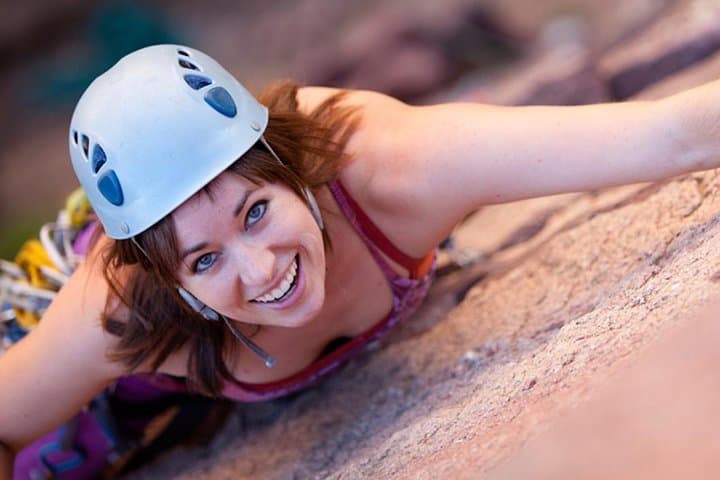
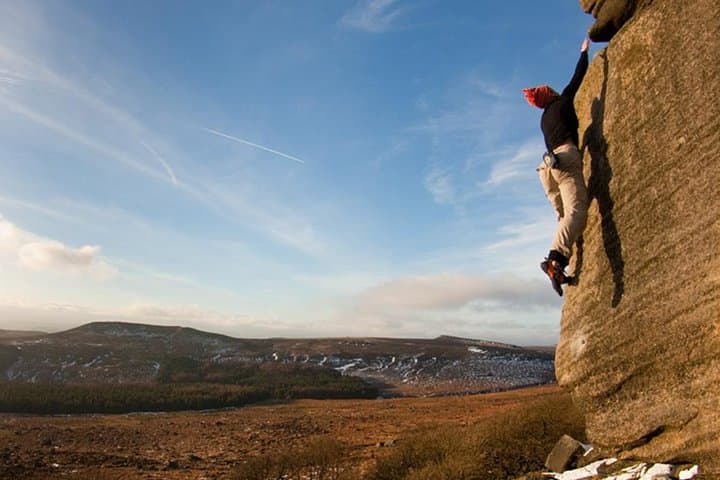
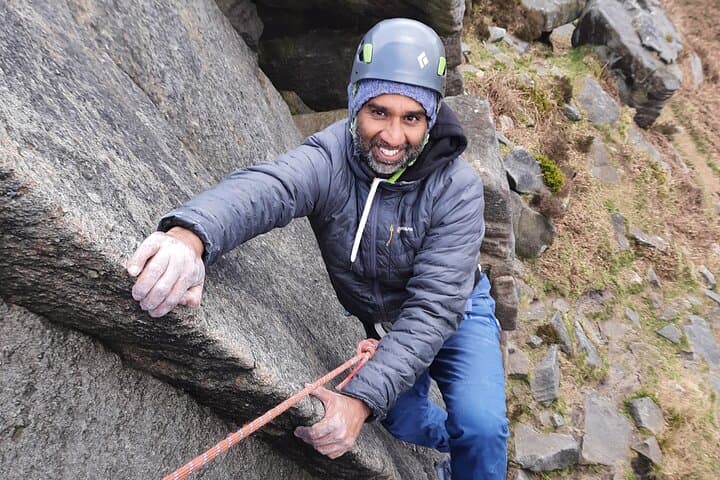
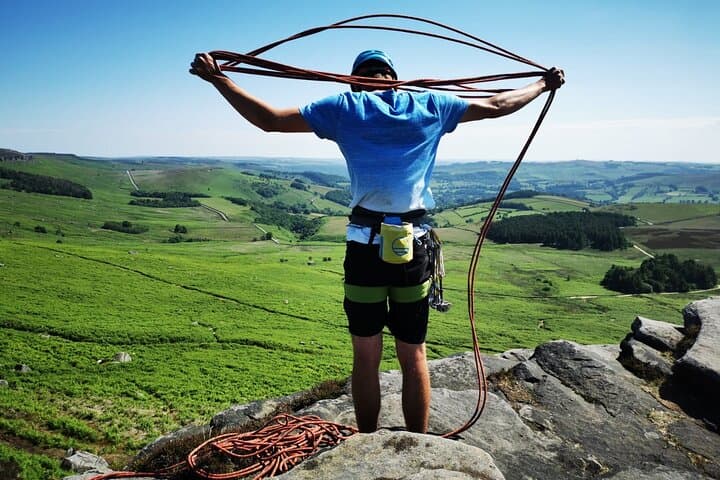
You step out of the minivan and the wind off the moors immediately tests your hood. Below, the gritstone edges stand dark and honest—banded slabs and vertical ribs that have been weathered into handholds over millennia. The instructor holds up a rope and a smile; this is the sort of place that strips climbing down to its essentials: feet, hands, breath, and attention.
You step out of the minivan and the wind off the moors immediately tests your hood. Below, the gritstone edges stand dark and honest—banded slabs and vertical ribs that have been weathered into handholds over millennia. The instructor holds up a rope and a smile; this is the sort of place that strips climbing down to its essentials: feet, hands, breath, and attention.
The Peak District is one of Britain’s oldest climbing playgrounds. Gritstone—coarse, sand-rich sandstone laid down in the Carboniferous—creates frictiony faces and short, bold routes that demand balance more than reach. Early 20th-century climbers treated these edges as training grounds for bigger mountains; today they remain a proving ground for first-time outdoor climbers because problems are short (typically 8–20 meters) and approaches are usually a brisk 5–30 minutes across heather and stone.
Local culture here is quietly steeped in outdoor craft: village tea rooms that know how to dry a sodden jacket, climbers who’ll point you toward the best pocket on a wall, and conservation groups who patrol the edges to protect nesting birds. The grit’s history is geological and social—formed by ancient rivers and refined by generations of local climbers shaping ethics of minimal impact.
What a taster day delivers is deliberate and incremental. After meeting at The Adventure Hub in Bamford, you’ll run through knots, belay technique and basic ropework on grass before moving to an appropriate crag. Instructors tailor routes to the group—expect several short climbs, top-roped with full belay systems, and practical coaching to build body positioning, footwork, and confidence on real rock. The typical vertical gain on the day is modest; the focus is on repetition and skill rather than long ascents.
Practicalities: the course runs about seven hours, group size max six, and minimum age is 13. All technical kit (harness, helmet, ropes) and climbing shoes are provided. Be ready for changeable weather—layers, waterproofs and sturdy approach shoes are essential. Hydrate before you start; snacks and a packed lunch keep energy steady between sessions.
If you’re nervous about heights, the instructors move at your pace—expect encouragement and measurable progress: better foot placement, cleaner moves, and the first confident clip of a quickdraw (in top-roping contexts). Leave room in your day for a post-climb brew in a nearby village café; chatter over tea is the unofficial way climbers assess their next line.
This is a practical, confidence-focused introduction to outdoor climbing: hands-on coaching, accessible rock, and enough grit to make improvements feel earned.