THE ADVENTURE COLLECTIVE® · Independent discovery and booking for outdoor travel

A four-hour, guide-led excursion from Miraflores into Pantanos de Villa brings city travelers face-to-beak with Peruvian pelicans, Andean coots, and migratory waders. Learn why this coastal wetland matters while walking quiet boardwalks and scanning reflective lagoons.
A four-hour, guide-led excursion from Miraflores into Pantanos de Villa brings city travelers face-to-beak with Peruvian pelicans, Andean coots, and migratory waders. Learn why this coastal wetland matters while walking quiet boardwalks and scanning reflective lagoons.
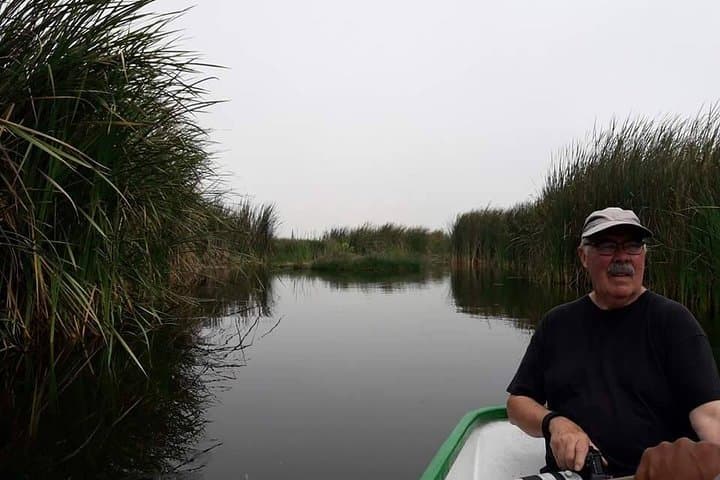
The van pulls away from Miraflores and, within thirty minutes, the city noise thins into a breath of salt and reed-scented air. At the edge of Lima’s coastal plain, the Pantanos de Villa opens like a shallow bowl of glassy lagoons, bullrushes, and crisscrossing boardwalks. Guides tilt their heads toward the water and something small and quick answers with a flash of gray—an Andean coot slipping between lily pads, a Peruvian pelican gliding low above the reedline.
Verified experiences and guided adventures in the surrounding area.
Operated by America Viajes · Lima, Lima
The van pulls away from Miraflores and, within thirty minutes, the city noise thins into a breath of salt and reed-scented air. At the edge of Lima’s coastal plain, the Pantanos de Villa opens like a shallow bowl of glassy lagoons, bullrushes, and crisscrossing boardwalks. Guides tilt their heads toward the water and something small and quick answers with a flash of gray—an Andean coot slipping between lily pads, a Peruvian pelican gliding low above the reedline.
Pantanos de Villa is one of Peru’s few protected coastal wetlands inside a major city. Designated a wildlife refuge in the 1980s, it functions as a crucial stopover for migratory birds traveling the Pacific Flyway and a home for resident species adapted to the foggy, saline margins of the Pacific. Geologically this spit of wetland exists where alluvial fans meet the ocean; the lagoons are fed by seasonal runoff and groundwater seeping from the Lurín Basin, their shallow depths creating thermals that birds exploit at dawn.
Culturally the refuge sits beside neighborhoods shaped by Lima’s maritime economy—fishermen, market vendors, and community organizations who have long negotiated the boundary between urban growth and habitat protection. Guides on the tour will point out how local conservation initiatives balance public access, education, and the fragile nesting season for shorebirds.
Practical takeaways: the tour runs roughly four hours and includes private transport from Miraflores (meet outside the Miraflores McDonald’s if you skip pickup). Expect two hours of guided birding within the refuge on boardwalks and short flat trails—elevation is essentially sea level and terrain is easy walking but can be muddy after rain. Early morning departures maximize sightings; migratory flocks and active waders are most visible in the cool hours before the garúa (coastal mist) lifts.
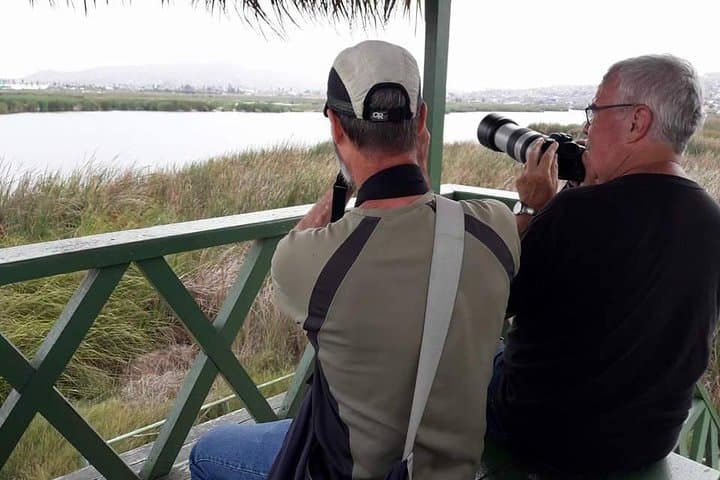
Bring binoculars, a camera with a telephoto lens if you care about distant birds, and layered clothing—Lima’s coastal climate can flip between foggy chill and bright sun. Respect fenced areas: nests are fragile and feeding birds is both illegal and harmful. Guides limit group size to preserve quiet and minimize disturbance; this tour accommodates beginners through experienced birders and includes local permit fees and guide expertise.
For photographers, low-angle shots along the boardwalk and reflections on windless lagoons make the best images, while naturalists should scan reed edges and open mudflats for Peruvian pelicans, Andean coots, herons, and an influx of migratory visitors during seasonal passages.
This is a short, accessible window into Lima’s wild side—an hour from the city center that proves urban edges can still give the kind of live-wire encounters that make a half-day worth planning.
easy.
4 hours.
Suitable for most fitness levels; requires short periods of standing and easy walking on flat boardwalks and paths.
The tour is about four hours and includes private transport from Miraflores, an English-speaking guide, entrance fees, and local taxes.
The standard meeting point is outside the Miraflores McDonald’s; many hotels in Miraflores can arrange pickup if booked in advance.
Yes—guides tailor the experience to beginners and experienced birders; the walking is easy and educational commentary is provided.
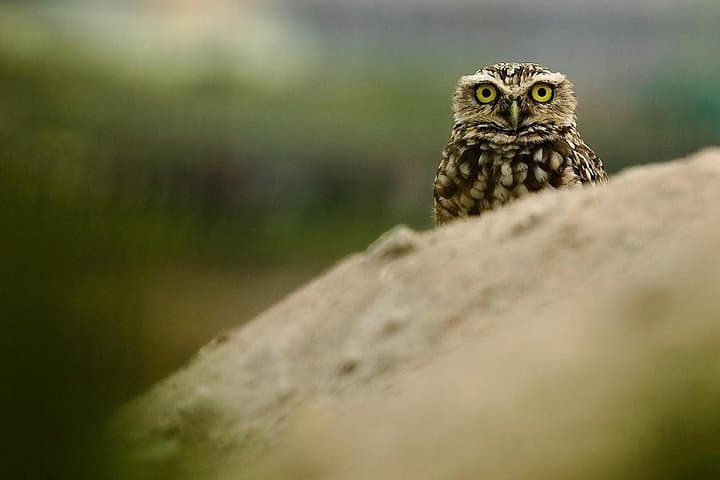
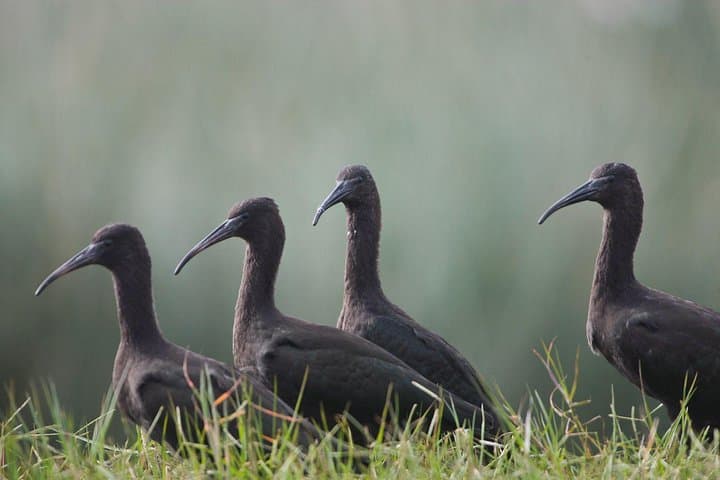
Expect Peruvian pelicans, Andean coots, herons, egrets, and seasonal migratory shorebirds; sightings vary by season.
Basic restroom facilities are available near the refuge entrance; bring snacks and water since the visit focuses on wildlife viewing rather than dining.
Children are welcome and service animals are permitted, but pets are not; keep children close on boardwalks for safety.
Declared a wildlife refuge in the late 20th century, Pantanos de Villa represents one of Lima’s earliest efforts to protect urban coastal wetlands amidst rapid city expansion.
Local NGOs and community groups work with the refuge to monitor populations and prevent illegal land-use; visitors are asked to follow strict access rules to reduce disturbance.
America Viajes operates guided outdoor trips and adventures with an emphasis on safety, stewardship, and memorable experiences.
The van pulls away from Miraflores and, within thirty minutes, the city noise thins into a breath of salt and reed-scented air. At the edge of Lima’s coastal plain, the Pantanos de Villa opens like a shallow bowl of glassy lagoons, bullrushes, and crisscrossing boardwalks. Guides tilt their heads toward the water and something small and quick answers with a flash of gray—an Andean coot slipping between lily pads, a Peruvian pelican gliding low above the reedline.
The van pulls away from Miraflores and, within thirty minutes, the city noise thins into a breath of salt and reed-scented air. At the edge of Lima’s coastal plain, the Pantanos de Villa opens like a shallow bowl of glassy lagoons, bullrushes, and crisscrossing boardwalks. Guides tilt their heads toward the water and something small and quick answers with a flash of gray—an Andean coot slipping between lily pads, a Peruvian pelican gliding low above the reedline.
Pantanos de Villa is one of Peru’s few protected coastal wetlands inside a major city. Designated a wildlife refuge in the 1980s, it functions as a crucial stopover for migratory birds traveling the Pacific Flyway and a home for resident species adapted to the foggy, saline margins of the Pacific. Geologically this spit of wetland exists where alluvial fans meet the ocean; the lagoons are fed by seasonal runoff and groundwater seeping from the Lurín Basin, their shallow depths creating thermals that birds exploit at dawn.
Culturally the refuge sits beside neighborhoods shaped by Lima’s maritime economy—fishermen, market vendors, and community organizations who have long negotiated the boundary between urban growth and habitat protection. Guides on the tour will point out how local conservation initiatives balance public access, education, and the fragile nesting season for shorebirds.
Practical takeaways: the tour runs roughly four hours and includes private transport from Miraflores (meet outside the Miraflores McDonald’s if you skip pickup). Expect two hours of guided birding within the refuge on boardwalks and short flat trails—elevation is essentially sea level and terrain is easy walking but can be muddy after rain. Early morning departures maximize sightings; migratory flocks and active waders are most visible in the cool hours before the garúa (coastal mist) lifts.
Bring binoculars, a camera with a telephoto lens if you care about distant birds, and layered clothing—Lima’s coastal climate can flip between foggy chill and bright sun. Respect fenced areas: nests are fragile and feeding birds is both illegal and harmful. Guides limit group size to preserve quiet and minimize disturbance; this tour accommodates beginners through experienced birders and includes local permit fees and guide expertise.
For photographers, low-angle shots along the boardwalk and reflections on windless lagoons make the best images, while naturalists should scan reed edges and open mudflats for Peruvian pelicans, Andean coots, herons, and an influx of migratory visitors during seasonal passages.
This is a short, accessible window into Lima’s wild side—an hour from the city center that proves urban edges can still give the kind of live-wire encounters that make a half-day worth planning.