THE ADVENTURE COLLECTIVE® · Independent discovery and booking for outdoor travel

An eight-hour day trip from Manila that combines a scenic upstream banca ride, a thunderous plunge at Pagsanjan (Magdapio) Falls, and a hair-raising return 'shooting the rapids'. Perfect for travelers who want nature, local skill, and a splash of adrenaline.
An eight-hour day trip from Manila that combines a scenic upstream banca ride, a thunderous plunge at Pagsanjan (Magdapio) Falls, and a hair-raising return 'shooting the rapids'. Perfect for travelers who want nature, local skill, and a splash of adrenaline.
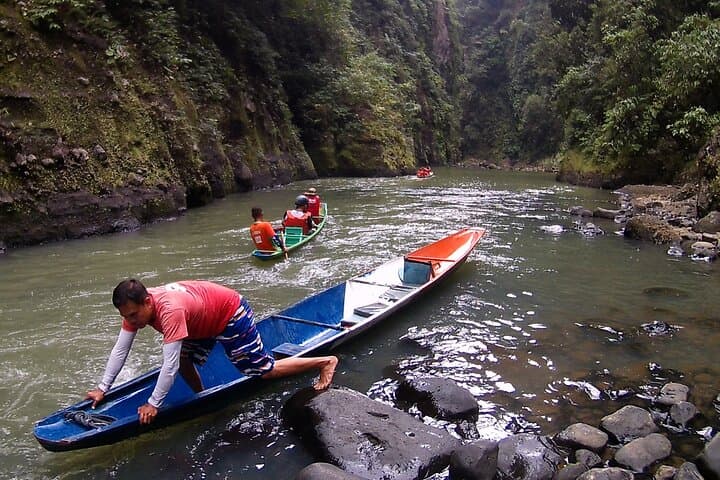
By the time the van slides out of Manila’s grid and into open rice paddies, the city’s heat thins into a humid green hush. Riders trade smartphone screens for the river’s distant roar, a steady promise of the day’s main event. At the launch, a line of narrow bancas waits—canoes painted bright and rigged low—with boatmen who move like they were born knowing current and rock.
Verified experiences and guided adventures in the surrounding area.
Operated by Baron Travel Corporation · Pagsanjan, Laguna
By the time the van slides out of Manila’s grid and into open rice paddies, the city’s heat thins into a humid green hush. Riders trade smartphone screens for the river’s distant roar, a steady promise of the day’s main event. At the launch, a line of narrow bancas waits—canoes painted bright and rigged low—with boatmen who move like they were born knowing current and rock.
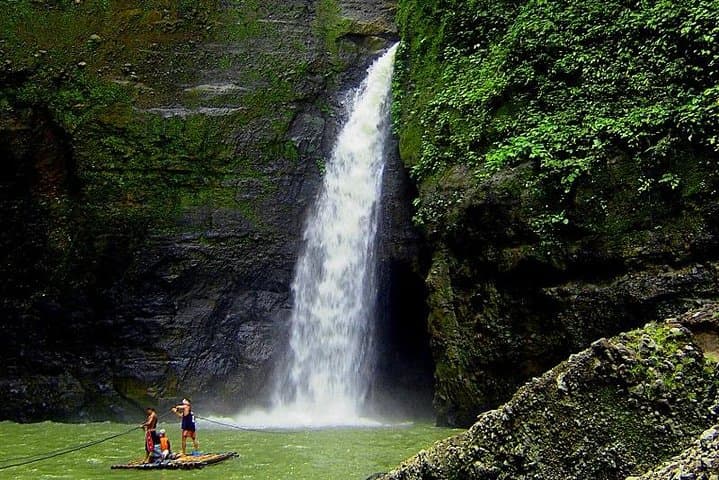
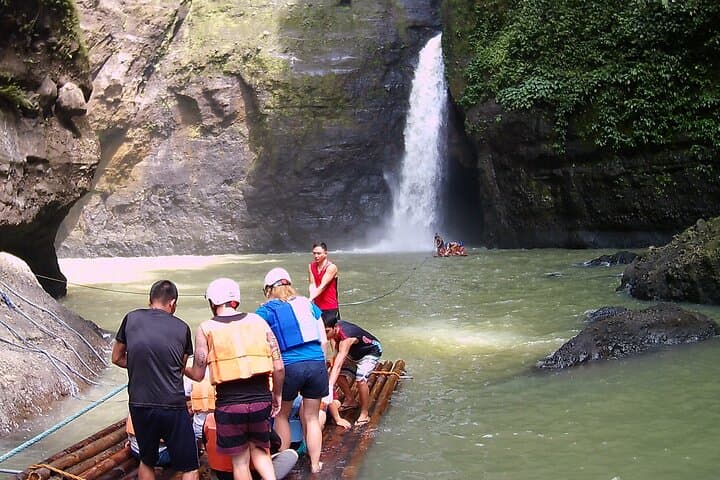
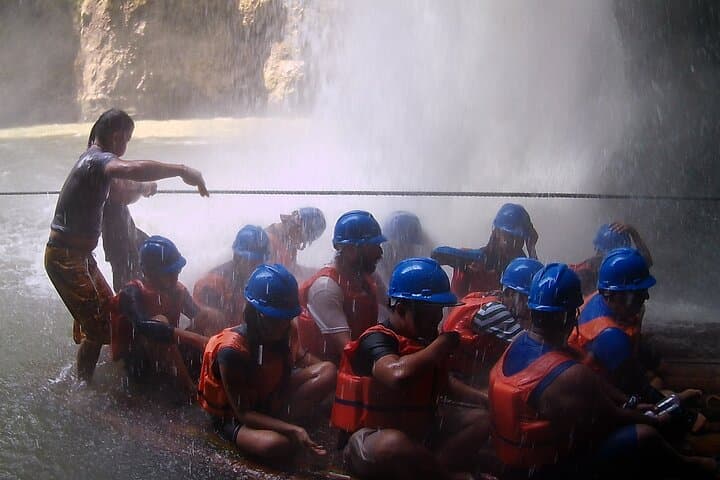
The route follows the upper Bumbungan River into a carved gorge where cliffs tighten and the canopy closes. Small cataracts drum against the hull as the bangkero guides the banca through shallow, rock-strewn water. The real pulse arrives at Pagsanjan—also called Magdapio—where a sheet of water thunders down a vertical cleft, sending mist that cools sweat and cameras. The ascent up to the falls is dramatic; the return is theatrical: ‘‘shooting the rapids’’ is a practiced choreography, boatmen leaning, paddles slicing, steering the canoe between boulders as water claws at the sides.
Geologically, the gorge is a long conversation between volcanic rock and persistent water. The river’s incision exposed strata of andesitic flows and river-polished boulders, creating the narrow chute that makes the rapids so lively. Culturally, the trip stitches you to a local economy: bangkeros whose skill is generational, riverside vendors selling snacks and coconut juice, and the town of Pagsanjan a short drive away with a Spanish-era church and artisan stalls.
Travelers should expect an active day. The advertised program is an eight-hour round-trip from Manila with hotel pickup, guiding, life vests, and lunch. The ride requires balance, a moderate fitness level, and acceptance that you will get wet—sometimes from spray, sometimes by deliberate splash. Bring a small waterproof bag for camera and documents, wear quick-dry clothing and sturdy water shoes with grip. Sunscreen and a light rain layer matter; weather shifts fast in this part of Luzon.
Safety is practical: listen closely to your boatman, keep knees bent when hitting turbulence, and secure loose items. Respect local rules—no standing in the boat unless instructed—and treat wildlife and riverbanks with care. Cash for tips and snacks is useful; signal your guide ahead if you have mobility concerns.
At its best, the Pagsanjan Falls trip is equal parts scenery and human craft—an adrenaline-soaked shuttle through a living gorge, guided by people who read stones and current like a map. It’s the kind of day that rearranges perspective: after hours on the river, Manila seems farther away and quieter than it was that morning.
moderate.
8 hours.
Moderate fitness needed: ability to climb in and out of low boats, steady balance, and tolerate brief exertion while navigating rapids.
The tour is about eight hours total, including pickup, round-trip transfer, river ride to the falls, lunch, and return.
Yes. Expect significant spray at the falls and possible splashing when 'shooting the rapids'; bring a change of clothes.
Children can join but must be secured in life vests and supervised; operators limit group sizes and experienced boatmen steer the banca.
This tour is not recommended for pregnant travelers or people with spinal or serious heart conditions due to reserve seats and rough water.
Wear quick-dry clothes or swimwear, a rash guard or lightweight layers, and closed-toe water shoes; sunscreen and a hat are recommended.
Hotel pickup is provided from central Manila locations; you must confirm pickup time 24 hours before departure and may need to meet at a central hotel if outside service areas.
Known locally as Magdapio Falls, the site has been a river transport route and local attraction since colonial times, with generations of boatmen developing the shoot-the-rapids technique.
High visitor numbers and plastic waste strain the river ecosystem; choose operators that use life vests, minimize single-use plastics, and follow designated boarding zones.
Baron Travel Corporation operates guided outdoor trips and adventures with an emphasis on safety, stewardship, and memorable experiences.
By the time the van slides out of Manila’s grid and into open rice paddies, the city’s heat thins into a humid green hush. Riders trade smartphone screens for the river’s distant roar, a steady promise of the day’s main event. At the launch, a line of narrow bancas waits—canoes painted bright and rigged low—with boatmen who move like they were born knowing current and rock.
By the time the van slides out of Manila’s grid and into open rice paddies, the city’s heat thins into a humid green hush. Riders trade smartphone screens for the river’s distant roar, a steady promise of the day’s main event. At the launch, a line of narrow bancas waits—canoes painted bright and rigged low—with boatmen who move like they were born knowing current and rock.
The route follows the upper Bumbungan River into a carved gorge where cliffs tighten and the canopy closes. Small cataracts drum against the hull as the bangkero guides the banca through shallow, rock-strewn water. The real pulse arrives at Pagsanjan—also called Magdapio—where a sheet of water thunders down a vertical cleft, sending mist that cools sweat and cameras. The ascent up to the falls is dramatic; the return is theatrical: ‘‘shooting the rapids’’ is a practiced choreography, boatmen leaning, paddles slicing, steering the canoe between boulders as water claws at the sides.
Geologically, the gorge is a long conversation between volcanic rock and persistent water. The river’s incision exposed strata of andesitic flows and river-polished boulders, creating the narrow chute that makes the rapids so lively. Culturally, the trip stitches you to a local economy: bangkeros whose skill is generational, riverside vendors selling snacks and coconut juice, and the town of Pagsanjan a short drive away with a Spanish-era church and artisan stalls.
Travelers should expect an active day. The advertised program is an eight-hour round-trip from Manila with hotel pickup, guiding, life vests, and lunch. The ride requires balance, a moderate fitness level, and acceptance that you will get wet—sometimes from spray, sometimes by deliberate splash. Bring a small waterproof bag for camera and documents, wear quick-dry clothing and sturdy water shoes with grip. Sunscreen and a light rain layer matter; weather shifts fast in this part of Luzon.
Safety is practical: listen closely to your boatman, keep knees bent when hitting turbulence, and secure loose items. Respect local rules—no standing in the boat unless instructed—and treat wildlife and riverbanks with care. Cash for tips and snacks is useful; signal your guide ahead if you have mobility concerns.
At its best, the Pagsanjan Falls trip is equal parts scenery and human craft—an adrenaline-soaked shuttle through a living gorge, guided by people who read stones and current like a map. It’s the kind of day that rearranges perspective: after hours on the river, Manila seems farther away and quieter than it was that morning.