THE ADVENTURE COLLECTIVE® · Independent discovery and booking for outdoor travel

Learn the basics of scuba on a three-day PADI Open Water course off Nusa Lembongan. Confined-water practice and four open-ocean dives lead to a worldwide certification to 18 m.
Learn the basics of scuba on a three-day PADI Open Water course off Nusa Lembongan. Confined-water practice and four open-ocean dives lead to a worldwide certification to 18 m.
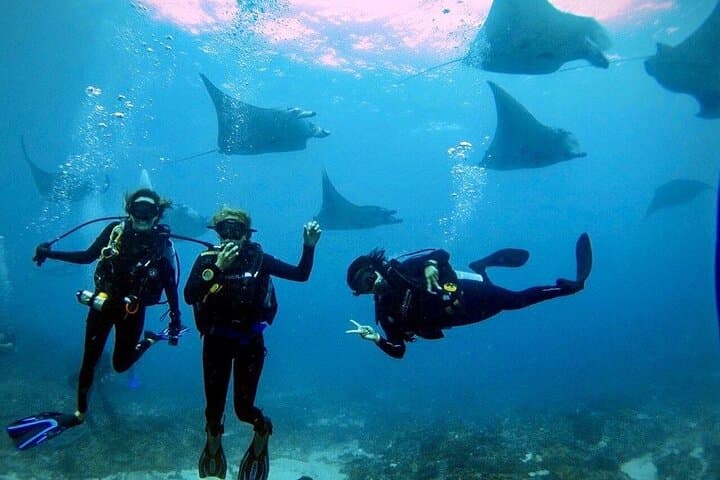
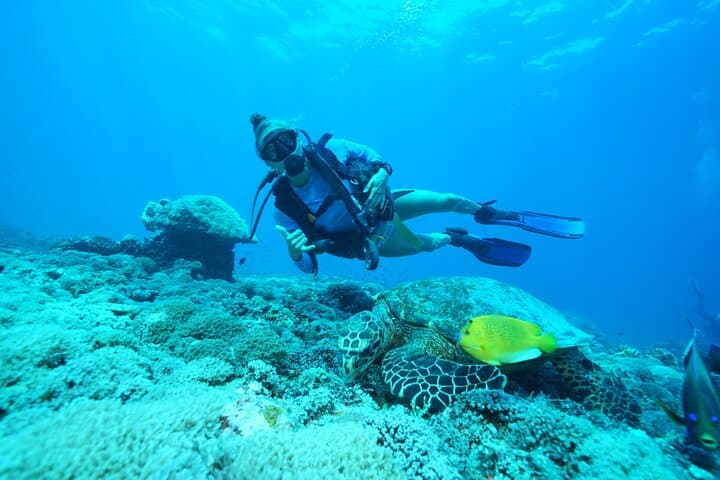
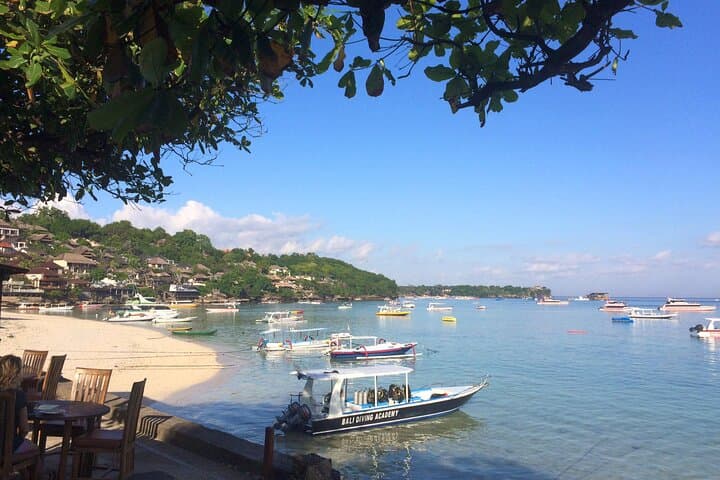
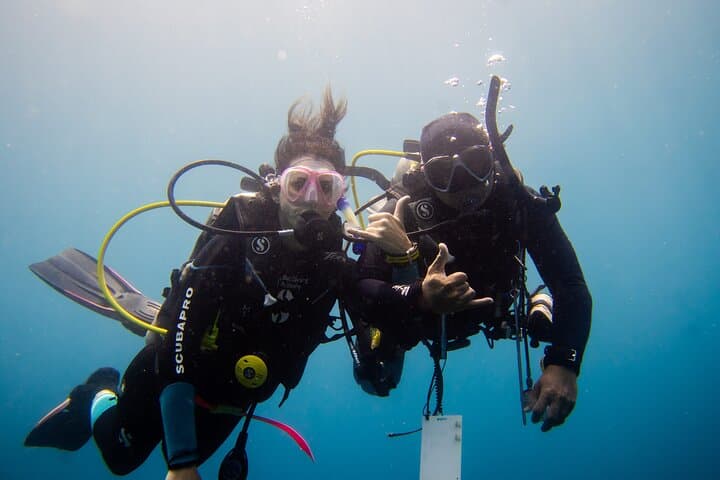
A flat-topped island reef breaks the horizon and the boat eases alongside a small jetty; salt and engine oil hang in the air and instructors are already checking gear. On Nusa Lembongan, the PADI Open Water course places students in warm, clear water where skills are taught deliberately—first in shallow, controlled confined-water sessions, then across four open-water dives that test buoyancy, navigation and emergency procedures.
Verified experiences and guided adventures in the surrounding area.
Operated by Bali Diving Academy · Nusa Lembongan, Bali
A flat-topped island reef breaks the horizon and the boat eases alongside a small jetty; salt and engine oil hang in the air and instructors are already checking gear. On Nusa Lembongan, the PADI Open Water course places students in warm, clear water where skills are taught deliberately—first in shallow, controlled confined-water sessions, then across four open-water dives that test buoyancy, navigation and emergency procedures.
Lembongan’s reefs form on old volcanic flows and uplifted limestone benches; shallow coral gardens and steeper drop-offs sit within a short boat ride. The island evolved from a seaweed-farming economy and still shows Balinese village life—temples, seaweed racks and small fishing boats—next to busy dive piers. Divers should expect currents that can be gentle to brisk depending on tide and season, and visibility that ranges from 10–30 meters on good days.
Practically, the course runs three days: confined water skills, then two days of open-water dives (four qualifying dives total). Theory is covered via PADI e-learning and summarized with an instructor. The certification permits dives to 18 meters worldwide. Physical demands are moderate: swimmers comfortable in the ocean who can equalize ears and handle basic gear will do well.
Plan for short boat transfers, sun exposure on decks, and wet-suit comfort (3 mm is common here). Hydrate, sleep well between days, and review e-learning before arrival to maximize in-water time. Follow local dive-center procedures, respect reef life, and expect an intensive, hands-on start to recreational diving.
moderate.
3 days.
Moderate fitness: comfortable swimming skills, ability to tread or swim for short periods, and to carry basic gear on and off small boats.
No prior scuba experience is required; you should be comfortable in water and able to swim. The course starts with confined-water skill sessions.
Upon completion of the PADI Open Water course you are certified to dive to a maximum depth of 18 meters (60 feet) with a buddy.
Minimum age for PADI Open Water is 10 years for Junior Open Water; check with the operator for adult certification options and age-specific requirements.
Basic scuba gear (BCD, regulator, tank) is provided; bringing a personal mask and snorkel that fit well is recommended for comfort and performance.
Lembongan grew around seaweed farming and small-scale fishing; its dive industry developed in the 1990s as access from Bali improved.
Coral reefs here are sensitive to anchor damage and pollution—choose operators that use mooring buoys and practice no-touch diving to protect habitats.
Bali Diving Academy operates guided outdoor trips and adventures with an emphasis on safety, stewardship, and memorable experiences.
A flat-topped island reef breaks the horizon and the boat eases alongside a small jetty; salt and engine oil hang in the air and instructors are already checking gear. On Nusa Lembongan, the PADI Open Water course places students in warm, clear water where skills are taught deliberately—first in shallow, controlled confined-water sessions, then across four open-water dives that test buoyancy, navigation and emergency procedures.
A flat-topped island reef breaks the horizon and the boat eases alongside a small jetty; salt and engine oil hang in the air and instructors are already checking gear. On Nusa Lembongan, the PADI Open Water course places students in warm, clear water where skills are taught deliberately—first in shallow, controlled confined-water sessions, then across four open-water dives that test buoyancy, navigation and emergency procedures.
Lembongan’s reefs form on old volcanic flows and uplifted limestone benches; shallow coral gardens and steeper drop-offs sit within a short boat ride. The island evolved from a seaweed-farming economy and still shows Balinese village life—temples, seaweed racks and small fishing boats—next to busy dive piers. Divers should expect currents that can be gentle to brisk depending on tide and season, and visibility that ranges from 10–30 meters on good days.
Practically, the course runs three days: confined water skills, then two days of open-water dives (four qualifying dives total). Theory is covered via PADI e-learning and summarized with an instructor. The certification permits dives to 18 meters worldwide. Physical demands are moderate: swimmers comfortable in the ocean who can equalize ears and handle basic gear will do well.
Plan for short boat transfers, sun exposure on decks, and wet-suit comfort (3 mm is common here). Hydrate, sleep well between days, and review e-learning before arrival to maximize in-water time. Follow local dive-center procedures, respect reef life, and expect an intensive, hands-on start to recreational diving.