THE ADVENTURE COLLECTIVE® · Independent discovery and booking for outdoor travel

Gain extended bottom time with the PADI Enriched Air (Nitrox) course in Playa del Carmen. Learn gas analysis, computer settings, and real-world dives on the Mesoamerican Reef.
Gain extended bottom time with the PADI Enriched Air (Nitrox) course in Playa del Carmen. Learn gas analysis, computer settings, and real-world dives on the Mesoamerican Reef.
The morning light off the Caribbean turns the water a hard, inviting blue; instructors check cylinders and logbooks while the reef skims silently below. You stand on a dock in Playa del Carmen, breathing through a regulator and listening as an instructor explains how oxygen-enriched gas changes the rhythm of a dive.
Verified experiences and guided adventures in the surrounding area.
Operated by Diversland Mexico · Playa del Carmen, Quintana Roo
The morning light off the Caribbean turns the water a hard, inviting blue; instructors check cylinders and logbooks while the reef skims silently below. You stand on a dock in Playa del Carmen, breathing through a regulator and listening as an instructor explains how oxygen-enriched gas changes the rhythm of a dive.
Nitrox (EANx) emerged in recreational diving to extend no-decompression times by lowering nitrogen fraction in the breathing mix. Along the Yucatán Peninsula the underlying limestone and coral reefs frame why nitrox is useful here: longer bottom-time means more time to visit coral bommies and swim-throughs before ascent. Local dive culture is familiar with nitrox — many operators teach and bottle mixes up to 40% O2 and integrate oxygen analysis and computer settings into routine dive briefings.
Geology and history are close at hand: the offshore reef is a living structure atop Pleistocene limestone; above water the region bears Mayan and colonial influences visible in food, language, and port-side commerce. Expect practical classroom theory, oxygen-analyzer practice, and two open-water dives where you’ll set your dive computer for the tank’s oxygen percentage and calculate MODs (e.g., EANx32 MOD ≈ 34 m at pO2 1.4).
Plan for a full-day commitment: bring your certification card, logbook, and a charged dive computer if you have one. Hydrate, avoid alcohol, and remember flying restrictions after diving. Wear reef-safe sunscreen and follow marine-protection guidance — the course is as much about responsible use of nitrox as extending time on the reef.
moderate.
5 hours.
Suitable for divers in general good health; basic swimming ability and comfort in open water required
Yes — you must be a certified Open Water Diver (or equivalent) and show your certification prior to participating.
The program is typically a 4–6 hour session including classroom theory, oxygen analysis practice, and two open-water dives; course materials and certification are included.
Nitrox reduces nitrogen uptake and extends no-decompression time at recreational depths, but it requires training because higher oxygen fractions raise the risk of oxygen toxicity and lower the maximum operating depth.
Standard recommendations apply—avoid flying for at least 18–24 hours after dives depending on profiles; follow your instructor's guidance for specific schedules.
The Mesoamerican Reef off Playa del Carmen sits atop Pleistocene limestone and lies within a region shaped by Mayan coastal trade routes; modern dive culture here blends tourism with conservation efforts.
Operators work with reef-protection guidelines—use reef-safe sunscreen, avoid touching corals, and choose shops that analyze and label nitrox tanks to prevent cross-contamination.
Diversland Mexico operates guided outdoor trips and adventures with an emphasis on safety, stewardship, and memorable experiences.
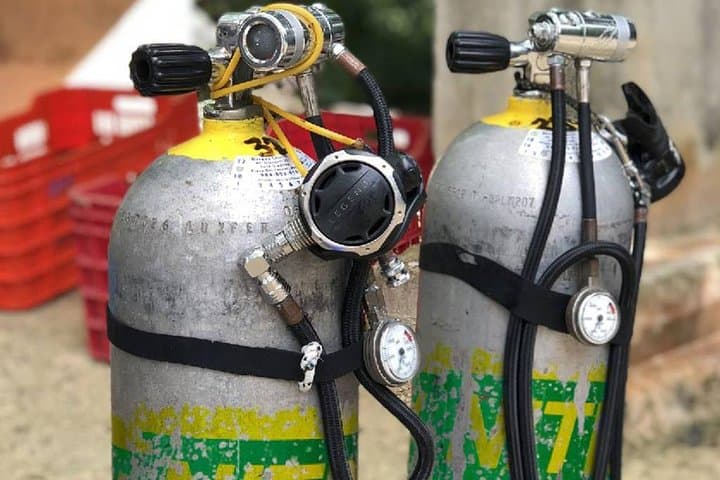
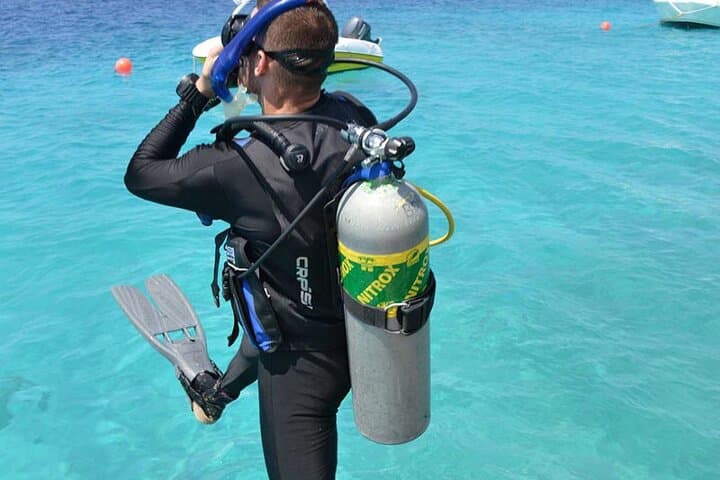
The morning light off the Caribbean turns the water a hard, inviting blue; instructors check cylinders and logbooks while the reef skims silently below. You stand on a dock in Playa del Carmen, breathing through a regulator and listening as an instructor explains how oxygen-enriched gas changes the rhythm of a dive.
The morning light off the Caribbean turns the water a hard, inviting blue; instructors check cylinders and logbooks while the reef skims silently below. You stand on a dock in Playa del Carmen, breathing through a regulator and listening as an instructor explains how oxygen-enriched gas changes the rhythm of a dive.
Nitrox (EANx) emerged in recreational diving to extend no-decompression times by lowering nitrogen fraction in the breathing mix. Along the Yucatán Peninsula the underlying limestone and coral reefs frame why nitrox is useful here: longer bottom-time means more time to visit coral bommies and swim-throughs before ascent. Local dive culture is familiar with nitrox — many operators teach and bottle mixes up to 40% O2 and integrate oxygen analysis and computer settings into routine dive briefings.
Geology and history are close at hand: the offshore reef is a living structure atop Pleistocene limestone; above water the region bears Mayan and colonial influences visible in food, language, and port-side commerce. Expect practical classroom theory, oxygen-analyzer practice, and two open-water dives where you’ll set your dive computer for the tank’s oxygen percentage and calculate MODs (e.g., EANx32 MOD ≈ 34 m at pO2 1.4).
Plan for a full-day commitment: bring your certification card, logbook, and a charged dive computer if you have one. Hydrate, avoid alcohol, and remember flying restrictions after diving. Wear reef-safe sunscreen and follow marine-protection guidance — the course is as much about responsible use of nitrox as extending time on the reef.