THE ADVENTURE COLLECTIVE® · Independent discovery and booking for outdoor travel

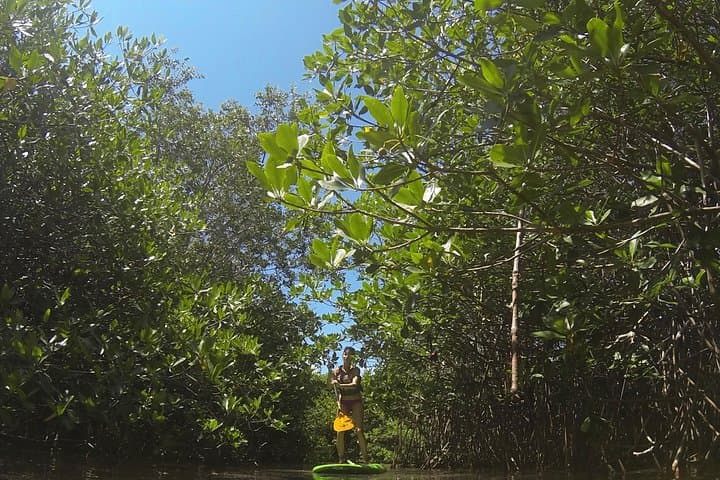
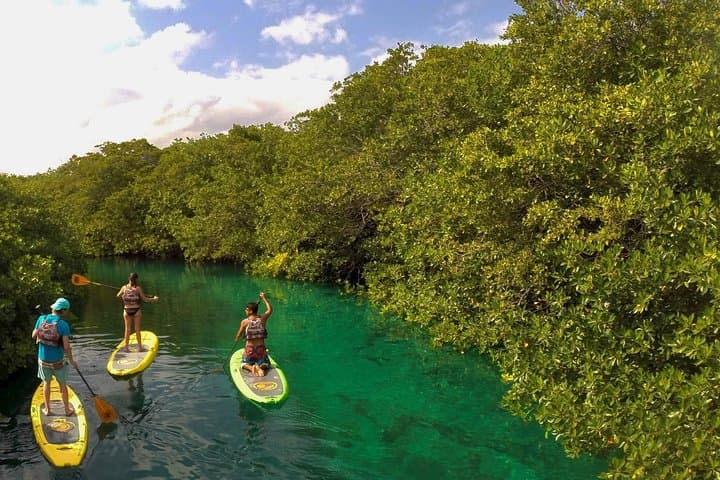
Float above crystalline cenote water and paddle through mangrove tunnels on a small-group SUP tour led by a native guide. Perfect for first-time paddleboarders, this 3–4 hour outing combines snorkeling, ecology, and Mayan history.
Float above crystalline cenote water and paddle through mangrove tunnels on a small-group SUP tour led by a native guide. Perfect for first-time paddleboarders, this 3–4 hour outing combines snorkeling, ecology, and Mayan history.
A flat, glassy ribbon of water opens beneath the board and the first push of the paddle sends ripples through a world that feels older than the road into Tulum. The guide calls out a heron’s silhouette and Roberto—born and raised in the Mayan lowlands—points to a cluster of roots arching from the limestone like the ribs of an underwater cathedral. The cenote doesn’t wait to be examined; it dares you to float above its clarity and look down.
Verified experiences and guided adventures in the surrounding area.
Operated by Extreme Control Adventures · Tulum, Quintana Roo
A flat, glassy ribbon of water opens beneath the board and the first push of the paddle sends ripples through a world that feels older than the road into Tulum. The guide calls out a heron’s silhouette and Roberto—born and raised in the Mayan lowlands—points to a cluster of roots arching from the limestone like the ribs of an underwater cathedral. The cenote doesn’t wait to be examined; it dares you to float above its clarity and look down.
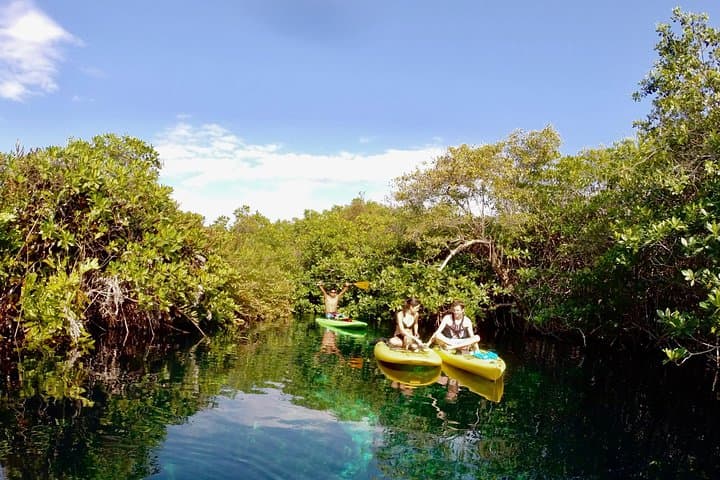
These paddleboard tours thread the thin green seam between Caribbean reef and inland freshwater. Geologically, the Riviera Maya is a limestone sponge: rain has dissolved the rock for millennia, collapsing caverns into cenotes where fresh groundwater rests on denser saltwater. Casa Cenote, the common meeting point for this tour, sits where mangroves meet sunlight; its clear water reveals submerged roots, fish, and the halocline shimmer where two worlds meet.
Culturally the cenotes were life—literal sources of drinking water for the Maya and portals in their cosmology. Today, local guides like Roberto blend stewardship and storytelling, pointing out how mangroves buffer storms and feed a reef that sustains fishing communities. The tour itself is intentionally small and low-impact: short paddles between mangrove channels, a calm swim in the cenote, and time to spot birds and fish without crowding the water.
Practically, the excursion runs about 3–4 hours door-to-door if you use the offered pickup in Tulum town, or you can meet at the Casa Cenote entrance. Expect 60–90 minutes on the water—stand-up paddling that suits first-timers and confident swimmers alike—with snacks, snorkel gear, and basic safety briefing included. Morning slots are usually glassier and less windy, which makes sighting wildlife and photographing the underwater clarity easier. Wear a reef-safe sunscreen, a hat, and a light rash guard; bring a small dry bag for your phone or leave valuables at base.
For travelers who want a low-effort immersion in the Yucatán’s water systems, this tour balances calm exploration with meaningful local context. The mangroves will whisper as you slide past, fish will flicker beneath your board, and the cenote will keep some of its secrets for those willing to float quietly and look down.
easy.
3–4 hours.
Suitable for most fitness levels; basic balance and comfort in open water recommended
No — the tour is beginner‑friendly; guides give a safety briefing and basic paddling instruction before you launch.
Expect about 60–90 minutes paddling and snorkeling, within a 3–4 hour total tour that includes pickup, briefing, and snacks.
Yes; families are welcome but children should be confident swimmers and wear a life vest when required.
Pickup is available from Tulum town hotels; beach zone hotels are usually not included—confirm at booking.
Yes—the tour includes use of snorkeling gear and basic safety equipment as part of the booking.
Use reef‑safe sunscreen and avoid lotions with oxybenzone; shower or rinse off after the tour to help protect the cenote and reef.
Cenotes were central to Maya life and ceremony—freshwater sources and portals in ritual geography—and many near Tulum retain ceremonial significance.
Small groups and local guides reduce impact; guests are asked to use reef‑safe products and avoid touching roots, rock formations, or wildlife to help preserve fragile habitats.
Extreme Control Adventures operates guided outdoor trips and adventures with an emphasis on safety, stewardship, and memorable experiences.
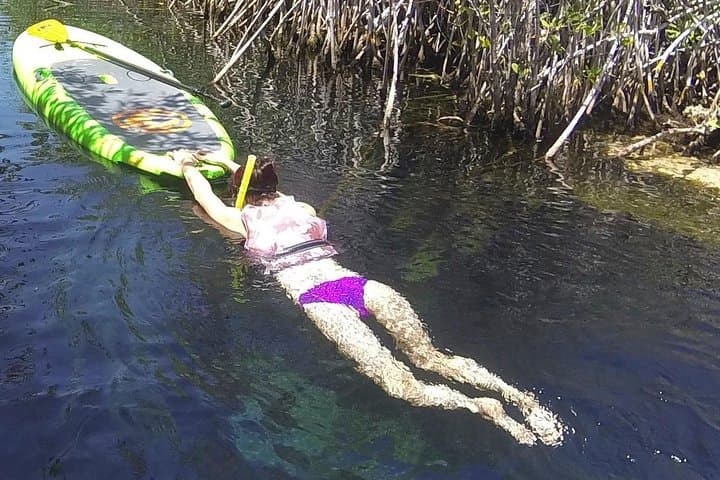
A flat, glassy ribbon of water opens beneath the board and the first push of the paddle sends ripples through a world that feels older than the road into Tulum. The guide calls out a heron’s silhouette and Roberto—born and raised in the Mayan lowlands—points to a cluster of roots arching from the limestone like the ribs of an underwater cathedral. The cenote doesn’t wait to be examined; it dares you to float above its clarity and look down.
A flat, glassy ribbon of water opens beneath the board and the first push of the paddle sends ripples through a world that feels older than the road into Tulum. The guide calls out a heron’s silhouette and Roberto—born and raised in the Mayan lowlands—points to a cluster of roots arching from the limestone like the ribs of an underwater cathedral. The cenote doesn’t wait to be examined; it dares you to float above its clarity and look down.
These paddleboard tours thread the thin green seam between Caribbean reef and inland freshwater. Geologically, the Riviera Maya is a limestone sponge: rain has dissolved the rock for millennia, collapsing caverns into cenotes where fresh groundwater rests on denser saltwater. Casa Cenote, the common meeting point for this tour, sits where mangroves meet sunlight; its clear water reveals submerged roots, fish, and the halocline shimmer where two worlds meet.
Culturally the cenotes were life—literal sources of drinking water for the Maya and portals in their cosmology. Today, local guides like Roberto blend stewardship and storytelling, pointing out how mangroves buffer storms and feed a reef that sustains fishing communities. The tour itself is intentionally small and low-impact: short paddles between mangrove channels, a calm swim in the cenote, and time to spot birds and fish without crowding the water.
Practically, the excursion runs about 3–4 hours door-to-door if you use the offered pickup in Tulum town, or you can meet at the Casa Cenote entrance. Expect 60–90 minutes on the water—stand-up paddling that suits first-timers and confident swimmers alike—with snacks, snorkel gear, and basic safety briefing included. Morning slots are usually glassier and less windy, which makes sighting wildlife and photographing the underwater clarity easier. Wear a reef-safe sunscreen, a hat, and a light rash guard; bring a small dry bag for your phone or leave valuables at base.
For travelers who want a low-effort immersion in the Yucatán’s water systems, this tour balances calm exploration with meaningful local context. The mangroves will whisper as you slide past, fish will flicker beneath your board, and the cenote will keep some of its secrets for those willing to float quietly and look down.