THE ADVENTURE COLLECTIVE® · Independent discovery and booking for outdoor travel

Paddle away from Bariloche and into the rugged arms of Nahuel Huapi. This full-day guided kayak trip visits Centinela Island and the secluded Tristeza Branch, offering waterfalls, beaches and mountain views across four to six hours of active paddling.
Paddle away from Bariloche and into the rugged arms of Nahuel Huapi. This full-day guided kayak trip visits Centinela Island and the secluded Tristeza Branch, offering waterfalls, beaches and mountain views across four to six hours of active paddling.
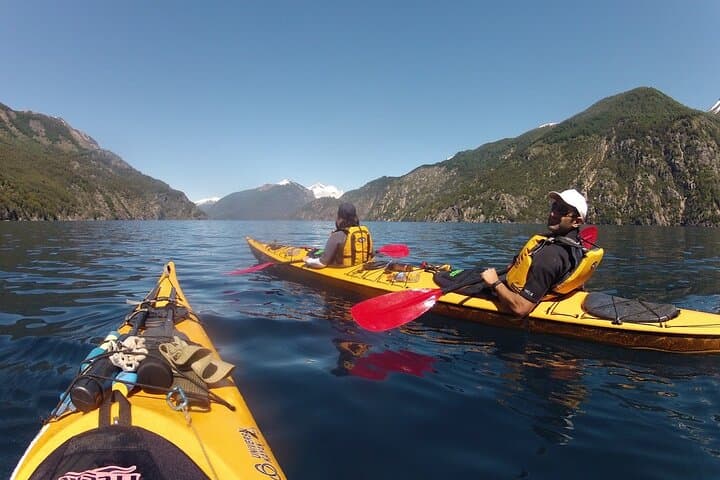
The day begins before most tour buses leave town: a short transfer from Bariloche drops paddlers at Lopez Bay where the lake opens like a cool, breathing lung. Guides fit neoprene socks and waterproof cagoules, hand out dry bags and double kayaks, and point toward a strip of water hemmed by vertical granite and lenga forest. As the group pushes off, Nahuel Huapi takes on character—sometimes a lazy, glacial mirror; at other times a nervy current that seems to urge paddlers toward the next cove.
Verified experiences and guided adventures in the surrounding area.
Operated by Tangol · San Carlos de Bariloche, Río Negro
The day begins before most tour buses leave town: a short transfer from Bariloche drops paddlers at Lopez Bay where the lake opens like a cool, breathing lung. Guides fit neoprene socks and waterproof cagoules, hand out dry bags and double kayaks, and point toward a strip of water hemmed by vertical granite and lenga forest. As the group pushes off, Nahuel Huapi takes on character—sometimes a lazy, glacial mirror; at other times a nervy current that seems to urge paddlers toward the next cove.
Nahuel Huapi is a lake born of ice and fire. Millennia of glaciers carved the basin; the skyline is punctuated by Tronador, a volcanic massif whose jagged ridges still hold hanging glaciers and spill meltwater into waterfalls that thunder down headlands. The region carries layers of human history too: indigenous Mapuche routes once traced these shores and later European settlers shaped Bariloche’s alpine architecture and outdoor culture. Today, local guides blend that living history with practical knowledge of wind, weather and wildlife.
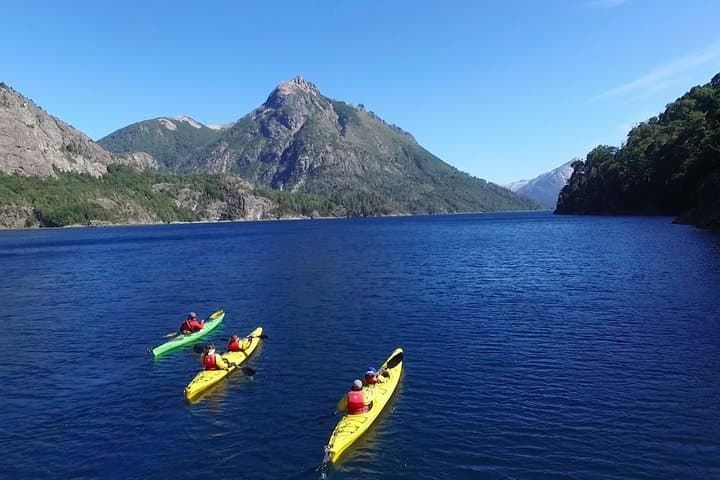
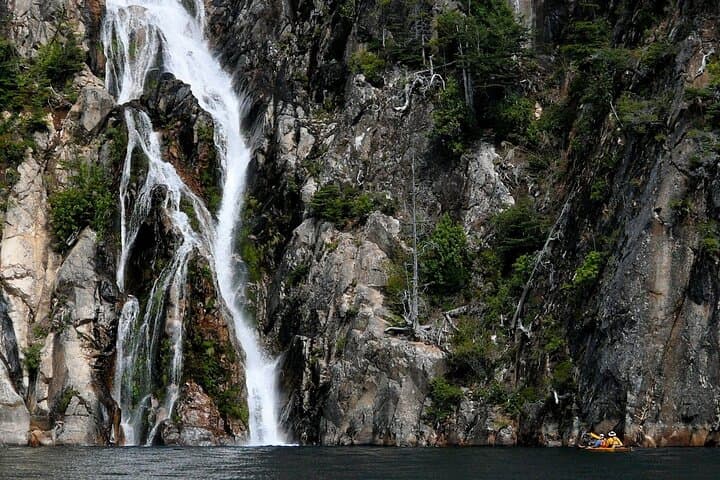
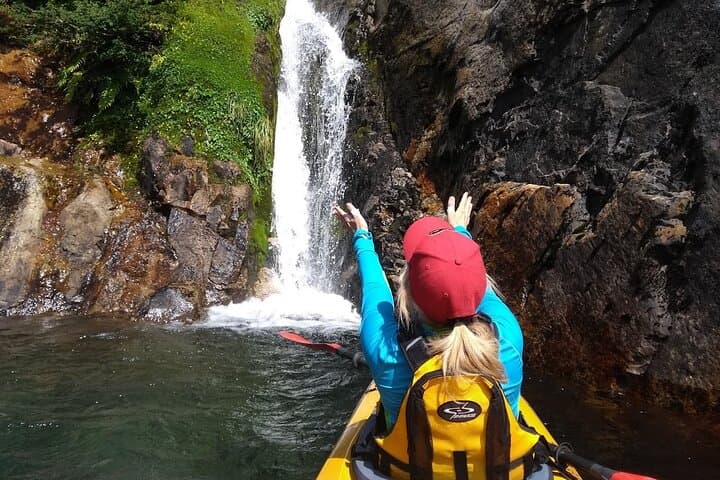
On a full-day excursion to Centinela Island and the little-known Tristeza Branch, paddlers move through shifting panoramas—beaches where cormorants sun themselves, narrow channels where the forest leans close, and wide-open water that frames Tronador on a good day. Guides point out geological features: glacial striations on bedrock, moraines framing hidden bays, and waterfalls that arrive as surprise curtains behind forested spurs.
This is an active day on the water. Expect four to six hours of paddling within a seven-hour outing that includes transport and lunch. The operator supplies double kayaks with rudders, dry bags, life jackets, neoprene socks and mittens, and waterproof cagoules, but the weather can change fast—cold wind and chop are common even in summer.
Practical pointers: arrive with layered clothing, a full water bottle, and shoes that get wet and drain fast. If you’re new to kayaking, take a moment with your guide to rehearse strokes and basic bracing; the route includes exposed sections where wind builds. Tell guides about any medical conditions—this trip is not recommended for people with serious heart or back problems or for pregnant travelers. Book October through May for the best conditions, and expect cancellations if weather turns.
For photographers and active travelers, Nahuel Huapi rewards patience and timing. Early light softens the mountains and wildlife tends to be more visible in sheltered arms. Whether you’re chasing an alpine reflection, a secret waterfall, or the quiet rhythm of paddling, this full-day tour delivers a close, kinetic way to read the lake’s geology, ecology and atmosphere.
challenging.
6–7 hours (4–6 hours paddling).
Good cardiovascular fitness and core strength recommended; participants should handle sustained paddling and occasional wind-driven chop.
The full excursion runs about 6–7 hours door-to-door, with roughly 4–6 hours of paddling on the water.
No formal experience is required, but participants should have a moderate fitness level and be comfortable with continuous paddling; guides cover basic technique.
The operator supplies double kayaks with rudders, life jackets, waterproof cagoules, neoprene socks and mittens, dry bags and lunch.
Trips operate seasonally from October through May; the operator typically suspends outings in winter months.
Yes, transportation from selected central hotels in Bariloche is included; pickup requires confirmation and may be from a nearby meeting point if out of zone.
Not recommended for pregnant travelers or people with serious heart, spinal or back conditions; inform the operator of medical restrictions before booking.
Nahuel Huapi sits within Argentina’s oldest national park; the area holds Mapuche cultural ties and later European alpine settlement shaped Bariloche’s lakeshore character.
Nahuel Huapi is protected under national park rules—stay out of restricted zones, pack out waste, and avoid disturbing shoreline nesting sites.
Tangol operates guided outdoor trips and adventures with an emphasis on safety, stewardship, and memorable experiences.
The day begins before most tour buses leave town: a short transfer from Bariloche drops paddlers at Lopez Bay where the lake opens like a cool, breathing lung. Guides fit neoprene socks and waterproof cagoules, hand out dry bags and double kayaks, and point toward a strip of water hemmed by vertical granite and lenga forest. As the group pushes off, Nahuel Huapi takes on character—sometimes a lazy, glacial mirror; at other times a nervy current that seems to urge paddlers toward the next cove.
The day begins before most tour buses leave town: a short transfer from Bariloche drops paddlers at Lopez Bay where the lake opens like a cool, breathing lung. Guides fit neoprene socks and waterproof cagoules, hand out dry bags and double kayaks, and point toward a strip of water hemmed by vertical granite and lenga forest. As the group pushes off, Nahuel Huapi takes on character—sometimes a lazy, glacial mirror; at other times a nervy current that seems to urge paddlers toward the next cove.
Nahuel Huapi is a lake born of ice and fire. Millennia of glaciers carved the basin; the skyline is punctuated by Tronador, a volcanic massif whose jagged ridges still hold hanging glaciers and spill meltwater into waterfalls that thunder down headlands. The region carries layers of human history too: indigenous Mapuche routes once traced these shores and later European settlers shaped Bariloche’s alpine architecture and outdoor culture. Today, local guides blend that living history with practical knowledge of wind, weather and wildlife.
On a full-day excursion to Centinela Island and the little-known Tristeza Branch, paddlers move through shifting panoramas—beaches where cormorants sun themselves, narrow channels where the forest leans close, and wide-open water that frames Tronador on a good day. Guides point out geological features: glacial striations on bedrock, moraines framing hidden bays, and waterfalls that arrive as surprise curtains behind forested spurs.
This is an active day on the water. Expect four to six hours of paddling within a seven-hour outing that includes transport and lunch. The operator supplies double kayaks with rudders, dry bags, life jackets, neoprene socks and mittens, and waterproof cagoules, but the weather can change fast—cold wind and chop are common even in summer.
Practical pointers: arrive with layered clothing, a full water bottle, and shoes that get wet and drain fast. If you’re new to kayaking, take a moment with your guide to rehearse strokes and basic bracing; the route includes exposed sections where wind builds. Tell guides about any medical conditions—this trip is not recommended for people with serious heart or back problems or for pregnant travelers. Book October through May for the best conditions, and expect cancellations if weather turns.
For photographers and active travelers, Nahuel Huapi rewards patience and timing. Early light softens the mountains and wildlife tends to be more visible in sheltered arms. Whether you’re chasing an alpine reflection, a secret waterfall, or the quiet rhythm of paddling, this full-day tour delivers a close, kinetic way to read the lake’s geology, ecology and atmosphere.