THE ADVENTURE COLLECTIVE® · Independent discovery and booking for outdoor travel

Glide across Derwent Water with a local guide, learning to balance on a stand-up paddleboard while surrounded by the Lake District’s steep fells and quiet islands. This three-hour session blends hands-on instruction with wildlife watching and cultural insight into Keswick’s historic shoreline.
Glide across Derwent Water with a local guide, learning to balance on a stand-up paddleboard while surrounded by the Lake District’s steep fells and quiet islands. This three-hour session blends hands-on instruction with wildlife watching and cultural insight into Keswick’s historic shoreline.
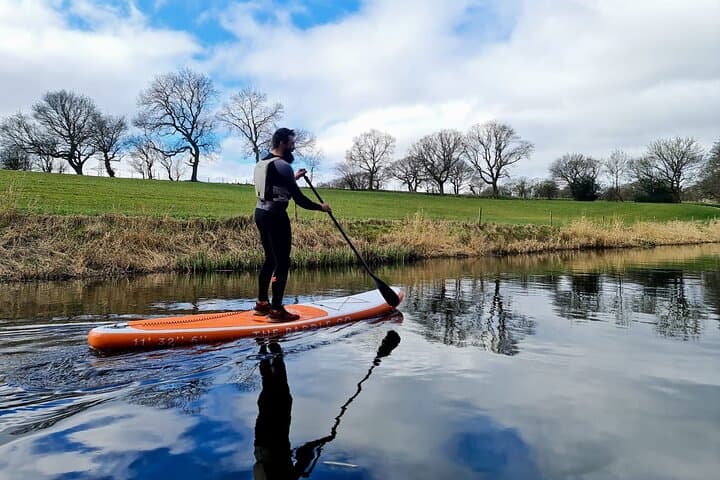
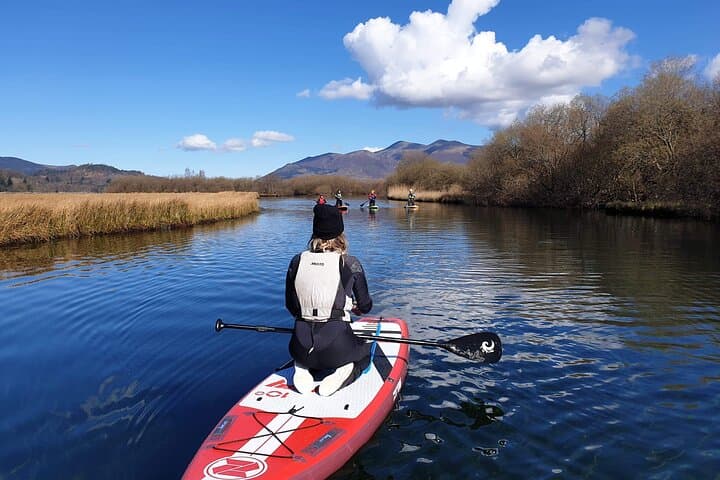
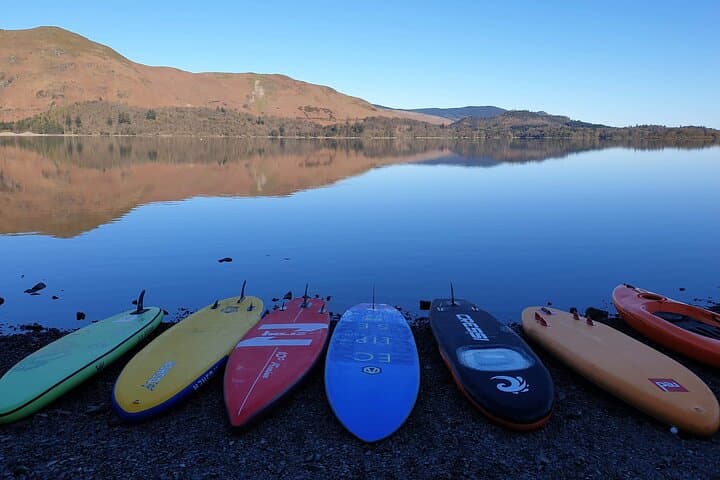
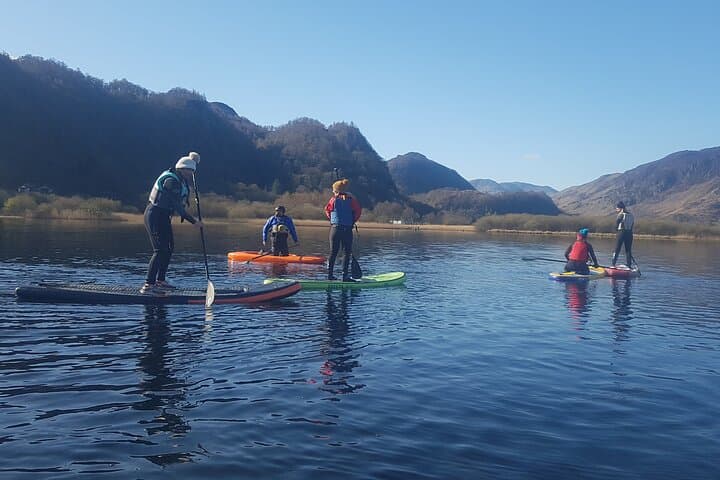
You step out of the pay-and-display carpark by Theatre by the Lake with a neoprene suit tugged into place and a buoyancy aid that smells faintly of salt and lake water. The shoreline breathes cool and green: reeds whisper, mallards preen, and in the distance Catbells’ ridgeline angles into the sky like an old ship turned on its side. The instructor checks your board, runs through a few balance drills on the grass, and within ten minutes you’re wobbling across Derwent Water, buoyed by the lake and a local guide’s calm directions.
Verified experiences and guided adventures in the surrounding area.
Operated by MobileAdventure · Keswick, Cumbria
You step out of the pay-and-display carpark by Theatre by the Lake with a neoprene suit tugged into place and a buoyancy aid that smells faintly of salt and lake water. The shoreline breathes cool and green: reeds whisper, mallards preen, and in the distance Catbells’ ridgeline angles into the sky like an old ship turned on its side. The instructor checks your board, runs through a few balance drills on the grass, and within ten minutes you’re wobbling across Derwent Water, buoyed by the lake and a local guide’s calm directions.
Derwent Water is a glacial hollow carved at the end of the last Ice Age, its shores trimmed with crags and wooded slopes that feed into Borrowdale. The lake has drawn poets and painters for two centuries — Wordsworth sketched these views — but on a paddleboard the place loses nothing of its history; instead, the geological scale becomes tactile. Rocks smoothed by ice and rivers sit below the surface while islands like St Herbert’s hold chapels and relics of the 7th century, reminders that people have negotiated these waters for centuries.
The day’s route is short and purposeful: a five-minute walk from the carpark to the water’s edge, then guided instruction before you head toward the lake’s quieter north shore. Expect sheltered bays and sudden, wide-open vistas toward Skiddaw and the Borrowdale fells. Wildlife keeps its own hours — grey herons stand like sentries, and red squirrels chatter from the low woodlands — and the guide will point out how to move without disturbing nesting birds or local anglers.
Practically speaking this is a three-hour session aimed at people with moderate fitness. Wetsuits, buoyancy aids, and boards are supplied, but bring layers, water shoes, and a dry bag for essentials. The water takes temperature from the sky; mornings are glassy and cool, afternoons can be breezy and choppy. If wind picks up the instructor will adjust the route or return to shore — safety and preservation of the lake come first.
Local culture is small-town Keswick: cafes that pull espresso for damp walkers, a theatre that stages summer plays, and a ferry that traces the lake if you want a longer loop. Leave no trace — Derwent Water sits within the Lake District National Park, and guides emphasize responsible use: no litter, no shouting near nesting areas, and respect for anglers and wildlife.
For anyone curious about standing on a board in a classic English lake, this trip is both a primer and a quiet adventure. You’ll come away with improved balance, a handful of local facts, and a different angle on the fells — one where the mountains feel like they’re leaning in to watch you glide.
moderate.
3 hours.
Suitable for those with moderate fitness — standing balance and basic paddling stamina help.
No — the session is aimed at beginners and includes instruction, balance drills, and progressive practice on the water.
Booking questions request ageband information; check with the operator for exact age limits, but the activity is family-friendly with supervision.
Yes — wetsuits, buoyancy aids, and paddleboards are included in the ride price.
The operator reserves the right to cancel for poor weather; sessions may be rescheduled or refunded per the booking policy, so confirm details when you book.
You can leave things on shore but use a dry bag for valuables; the guide will advise on secure stashing or boat assistance if needed.
Yes — expect waterfowl, herons, and possibly red squirrels along the shore; keep distance and stay quiet to avoid disturbance.
Derwent Water occupies a glacially carved basin that has been a focus of Lakeland culture for centuries; writers like William Wordsworth helped popularize the scenery in the 19th century.
The lake sits within the Lake District National Park; operators follow leave-no-trace principles and advise avoiding nesting sites and disturbing anglers.
MobileAdventure operates guided outdoor trips and adventures with an emphasis on safety, stewardship, and memorable experiences.
You step out of the pay-and-display carpark by Theatre by the Lake with a neoprene suit tugged into place and a buoyancy aid that smells faintly of salt and lake water. The shoreline breathes cool and green: reeds whisper, mallards preen, and in the distance Catbells’ ridgeline angles into the sky like an old ship turned on its side. The instructor checks your board, runs through a few balance drills on the grass, and within ten minutes you’re wobbling across Derwent Water, buoyed by the lake and a local guide’s calm directions.
You step out of the pay-and-display carpark by Theatre by the Lake with a neoprene suit tugged into place and a buoyancy aid that smells faintly of salt and lake water. The shoreline breathes cool and green: reeds whisper, mallards preen, and in the distance Catbells’ ridgeline angles into the sky like an old ship turned on its side. The instructor checks your board, runs through a few balance drills on the grass, and within ten minutes you’re wobbling across Derwent Water, buoyed by the lake and a local guide’s calm directions.
Derwent Water is a glacial hollow carved at the end of the last Ice Age, its shores trimmed with crags and wooded slopes that feed into Borrowdale. The lake has drawn poets and painters for two centuries — Wordsworth sketched these views — but on a paddleboard the place loses nothing of its history; instead, the geological scale becomes tactile. Rocks smoothed by ice and rivers sit below the surface while islands like St Herbert’s hold chapels and relics of the 7th century, reminders that people have negotiated these waters for centuries.
The day’s route is short and purposeful: a five-minute walk from the carpark to the water’s edge, then guided instruction before you head toward the lake’s quieter north shore. Expect sheltered bays and sudden, wide-open vistas toward Skiddaw and the Borrowdale fells. Wildlife keeps its own hours — grey herons stand like sentries, and red squirrels chatter from the low woodlands — and the guide will point out how to move without disturbing nesting birds or local anglers.
Practically speaking this is a three-hour session aimed at people with moderate fitness. Wetsuits, buoyancy aids, and boards are supplied, but bring layers, water shoes, and a dry bag for essentials. The water takes temperature from the sky; mornings are glassy and cool, afternoons can be breezy and choppy. If wind picks up the instructor will adjust the route or return to shore — safety and preservation of the lake come first.
Local culture is small-town Keswick: cafes that pull espresso for damp walkers, a theatre that stages summer plays, and a ferry that traces the lake if you want a longer loop. Leave no trace — Derwent Water sits within the Lake District National Park, and guides emphasize responsible use: no litter, no shouting near nesting areas, and respect for anglers and wildlife.
For anyone curious about standing on a board in a classic English lake, this trip is both a primer and a quiet adventure. You’ll come away with improved balance, a handful of local facts, and a different angle on the fells — one where the mountains feel like they’re leaning in to watch you glide.