THE ADVENTURE COLLECTIVE® · Independent discovery and booking for outdoor travel

Ride the ropeway into Owakudani’s smoking vents, taste the famous black eggs, then cross mirror-still Lake Ashi on a pirate ship. This six-hour guided tour pairs geological spectacle with calm lakeside scenery—ideal for first-time visitors to Hakone.
Ride the ropeway into Owakudani’s smoking vents, taste the famous black eggs, then cross mirror-still Lake Ashi on a pirate ship. This six-hour guided tour pairs geological spectacle with calm lakeside scenery—ideal for first-time visitors to Hakone.
The ropeway lifts you out of the tree line and into a world where the ground exhales: plumes of steam coil from vents and the sulfur-scented air tangles with your breath. From the cable cabin you can see a valley that once frightened travelers into calling it "Hell Valley"—blackened rock, hissing fumaroles, and the tiny figures threading along observation decks. On clear days, the steam parts long enough to reveal Mount Fuji, balanced like a silent witness over Lake Ashi.
Verified experiences and guided adventures in the surrounding area.
Operated by Shizuoka TaaS Travel · Hakone, Kanagawa
The ropeway lifts you out of the tree line and into a world where the ground exhales: plumes of steam coil from vents and the sulfur-scented air tangles with your breath. From the cable cabin you can see a valley that once frightened travelers into calling it "Hell Valley"—blackened rock, hissing fumaroles, and the tiny figures threading along observation decks. On clear days, the steam parts long enough to reveal Mount Fuji, balanced like a silent witness over Lake Ashi.
Owakudani is the raw aftermath of Hakone’s volcanic temper. The valley formed from the same volcanoes that shaped the caldera lake below, and its geothermal chemistry is what turns local eggs black—an old snack and a tourist ritual whose folklore promises seven extra years for each bite. Nearby, Lake Ashi sits in the caldera’s hollow, its still surface once guided the boats of Edo-period pilgrims and today hosts the playful Hakone “pirate” ship that ferries visitors between lakeside hamlets.
This guided tour stitches together two of Hakone’s most visceral experiences: a ropeway ascent to Owakudani’s smoking vents and a scenic crossing of Lake Ashi aboard a full-size replica pirate ship. Along the way your guide threads history—Hakone as a post town on the Tokaido route, the geology of the caldera, and modern management of geothermal hazards—through clear practical advice on where to look, and when.
Plan for changing conditions. The valley can be chilly and wind-swept even in summer because the steam and sulfur keep temperatures variable; visibility on the ropeway depends almost entirely on weather. If Fuji is your target photo subject, aim for an early winter morning when skies are crisp and the air is dry.
Logistics are simple: the tour runs about six hours and includes private transport to key spots but not site admissions. Expect short walks and many viewpoints rather than strenuous hiking—this is an observational day focused on geology, quirky local food (hello, black eggs), and a calm, photogenic lake crossing. Bring layered clothing, a windproof shell, and cash for the egg stalls and small museums. If you have mobility concerns, note that some viewpoints require steps; the ropeway and pirate ship have flat access but can be crowded.
For travelers arriving by cruise or train, hotel bases in Hakone-machi or Hakone-Yumoto make the most sense for an overnight stay. Time your visit for clear weather and allow flexibility—volcanic activity and wind can close viewpoints on short notice. When you step onto the Ibuki glass deck or the pirate ship’s deck, listen: the landscape will tell you how it formed, if only you pause long enough to hear it.
easy.
6 hours.
Light activity level; suitable for most fitness levels with short walks and steps at viewpoints.
No—this tour provides transport and guiding but local admissions, when required, are paid on site.
The black eggs are regular boiled eggs discolored by mineral interaction; if you have egg allergies or dietary restrictions, avoid them.
The ropeway can close in high winds or volcanic activity—operators prioritize safety and closures are announced locally.
Basic facilities and small shops exist at the main Owakudani station and lakeside piers, but not at every viewpoint—plan accordingly.
Yes—staff often meet travelers at port customs if arranged in advance; confirm pickup details with the operator.
No—Fuji visibility depends on weather and air clarity; winter mornings offer the best odds, but the tour’s value remains in the valley and lake experiences.
Hakone grew as a strategic post town on the Tokaido route; Owakudani’s ‘hell’ name dates to Edo-period reactions to fumaroles and boiling vents.
The geothermal vents are fragile—stay on designated paths, avoid touching vent areas, and respect vendor and park rules to protect fragile chemistry and vegetation.
Shizuoka TaaS Travel operates guided outdoor trips and adventures with an emphasis on safety, stewardship, and memorable experiences.


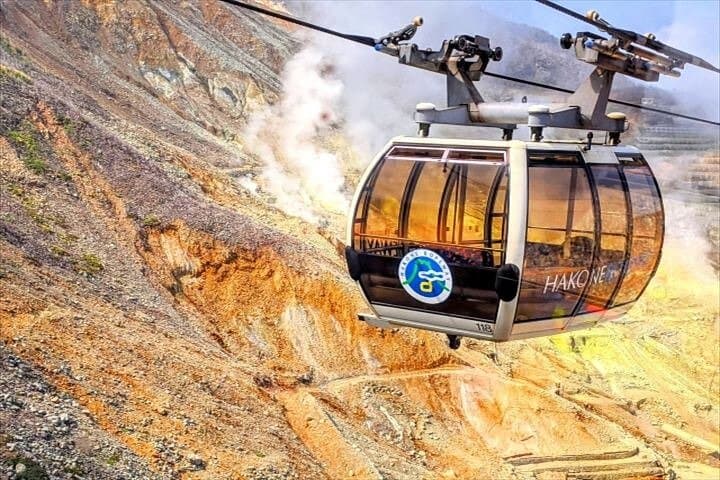
The ropeway lifts you out of the tree line and into a world where the ground exhales: plumes of steam coil from vents and the sulfur-scented air tangles with your breath. From the cable cabin you can see a valley that once frightened travelers into calling it "Hell Valley"—blackened rock, hissing fumaroles, and the tiny figures threading along observation decks. On clear days, the steam parts long enough to reveal Mount Fuji, balanced like a silent witness over Lake Ashi.
The ropeway lifts you out of the tree line and into a world where the ground exhales: plumes of steam coil from vents and the sulfur-scented air tangles with your breath. From the cable cabin you can see a valley that once frightened travelers into calling it "Hell Valley"—blackened rock, hissing fumaroles, and the tiny figures threading along observation decks. On clear days, the steam parts long enough to reveal Mount Fuji, balanced like a silent witness over Lake Ashi.
Owakudani is the raw aftermath of Hakone’s volcanic temper. The valley formed from the same volcanoes that shaped the caldera lake below, and its geothermal chemistry is what turns local eggs black—an old snack and a tourist ritual whose folklore promises seven extra years for each bite. Nearby, Lake Ashi sits in the caldera’s hollow, its still surface once guided the boats of Edo-period pilgrims and today hosts the playful Hakone “pirate” ship that ferries visitors between lakeside hamlets.
This guided tour stitches together two of Hakone’s most visceral experiences: a ropeway ascent to Owakudani’s smoking vents and a scenic crossing of Lake Ashi aboard a full-size replica pirate ship. Along the way your guide threads history—Hakone as a post town on the Tokaido route, the geology of the caldera, and modern management of geothermal hazards—through clear practical advice on where to look, and when.
Plan for changing conditions. The valley can be chilly and wind-swept even in summer because the steam and sulfur keep temperatures variable; visibility on the ropeway depends almost entirely on weather. If Fuji is your target photo subject, aim for an early winter morning when skies are crisp and the air is dry.
Logistics are simple: the tour runs about six hours and includes private transport to key spots but not site admissions. Expect short walks and many viewpoints rather than strenuous hiking—this is an observational day focused on geology, quirky local food (hello, black eggs), and a calm, photogenic lake crossing. Bring layered clothing, a windproof shell, and cash for the egg stalls and small museums. If you have mobility concerns, note that some viewpoints require steps; the ropeway and pirate ship have flat access but can be crowded.
For travelers arriving by cruise or train, hotel bases in Hakone-machi or Hakone-Yumoto make the most sense for an overnight stay. Time your visit for clear weather and allow flexibility—volcanic activity and wind can close viewpoints on short notice. When you step onto the Ibuki glass deck or the pirate ship’s deck, listen: the landscape will tell you how it formed, if only you pause long enough to hear it.