THE ADVENTURE COLLECTIVE® · Independent discovery and booking for outdoor travel

Spend a night inside Plitvice Lakes National Park and follow the next day with Zadar’s ancient stones and modern sea organ. This private tour from Split pairs boardwalk hikes through travertine cascades with seaside history and local Lika cuisine.
Spend a night inside Plitvice Lakes National Park and follow the next day with Zadar’s ancient stones and modern sea organ. This private tour from Split pairs boardwalk hikes through travertine cascades with seaside history and local Lika cuisine.
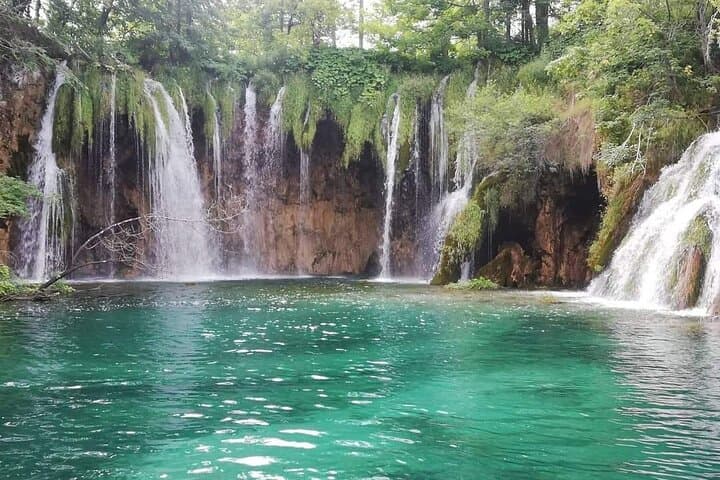
You leave Split before dawn and the city peels away behind you—marble streets giving way to olive groves and karst ridgelines. The road climbs into Lika country and the air sharpens: pine resin, cool river mist. By late morning the trees part and a ribbon of water appears—turquoise that refuses to behave like ordinary lake water. Plitvice speaks in waterfalls; it insists on movement. Wooden boardwalks hug the shorelines and let you walk over the lake as if you were treading on a living map.
Verified experiences and guided adventures in the surrounding area.
Operated by South Tours Croatia · Plitvička Jezera, Lika-Senj County
You leave Split before dawn and the city peels away behind you—marble streets giving way to olive groves and karst ridgelines. The road climbs into Lika country and the air sharpens: pine resin, cool river mist. By late morning the trees part and a ribbon of water appears—turquoise that refuses to behave like ordinary lake water. Plitvice speaks in waterfalls; it insists on movement. Wooden boardwalks hug the shorelines and let you walk over the lake as if you were treading on a living map.
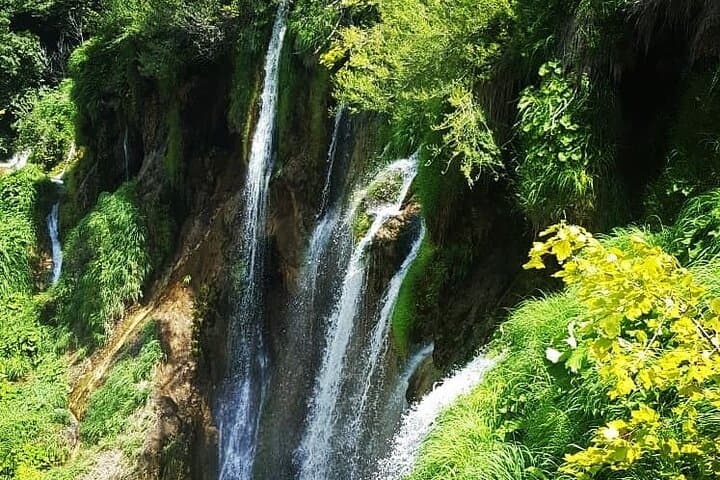
Plitvice Lakes National Park is a geographical workshop. Layers of limestone and tufa collect minerals; moss and algae stitch them into natural dams, creating terraces and cascades—16 interconnected lakes fed by dozens of springs. UNESCO listed the park for this rare travertine landscape and for the intact forests that cradle it. Your guide walks you through both the lower and upper lakes, pointing out the larger falls and the quieter channels where trout patrol clear pools.
Culturally, this is Lika—rugged uplands with a pastoral history. Lunch arrives as local comfort: slow-cooked stews, rustic bread and cheeses that suit the park’s elemental flavors. After the walk you check into a hotel near the park and the afternoon allows for a quieter circuit: a sunset by Veliki Slap (the Big Waterfall) is a private performance when the crowds thin.
The next day pulls you west to Zadar, a coastal city whose stones carry Roman forums and medieval churches. Contemporary installations—most famously the Sea Organ and the solar-powered Greeting to the Sun—reply to the Adriatic in sound and light. A guided stroll through Zadar’s old town strings together layered history: Roman skeletons under modern cafés, Venetian fortifications that still keep watch.
Practical edge: the park tour includes the ticket and an overnight hotel stay; expect 6–10 km of walking across boardwalks and stone steps with a modest elevation change (roughly 200–300 m across trails). Wear grippy shoes, bring a rain shell year-round, and carry water—the park has limited services on some routes. Dawn and late afternoon offer the best light and the fewest people; Zadar is best visited mid-morning when shops are open.
This private itinerary compresses two of Croatia’s strongest sights into a single overnight experience—big landscape and coastal culture in a tidy loop. It’s not a wilderness expedition, but it does demand sensible footwear, basic fitness and a readiness to let the waterfalls set the pace. If you let them, they’ll slow you down in the best possible way.
moderate.
1–2 days.
Moderate—should be comfortable walking 6–10 km over uneven boardwalks and steps.
Yes—the tour price includes the Plitvice National Park ticket and an escorted visit of the upper and lower lakes.
Expect 6–10 km of walking on boardwalks and trails with some steps and modest elevation change; the guide adapts pace for the group.
The itinerary includes one night at a hotel near Plitvice Lakes so you can visit the park outside peak hours.
Yes—pickup from hotels in Split and nearby towns is available; confirm your pickup location when booking.
Breakfast and dinner are included; the tour also includes a traditional Lika lunch on the first day.
Children are welcome but the park’s boardwalks can be uneven; travelers with limited mobility should contact the operator to discuss specific access needs.
Plitvice was designated a UNESCO World Heritage Site in 1979 for its unique travertine formation; Zadar’s urban core contains Roman and Venetian layers dating back millennia.
The park protects delicate tufa dams—stay on marked trails and follow park rules; tourism fees support conservation and local communities.
South Tours Croatia operates guided outdoor trips and adventures with an emphasis on safety, stewardship, and memorable experiences.


You leave Split before dawn and the city peels away behind you—marble streets giving way to olive groves and karst ridgelines. The road climbs into Lika country and the air sharpens: pine resin, cool river mist. By late morning the trees part and a ribbon of water appears—turquoise that refuses to behave like ordinary lake water. Plitvice speaks in waterfalls; it insists on movement. Wooden boardwalks hug the shorelines and let you walk over the lake as if you were treading on a living map.
You leave Split before dawn and the city peels away behind you—marble streets giving way to olive groves and karst ridgelines. The road climbs into Lika country and the air sharpens: pine resin, cool river mist. By late morning the trees part and a ribbon of water appears—turquoise that refuses to behave like ordinary lake water. Plitvice speaks in waterfalls; it insists on movement. Wooden boardwalks hug the shorelines and let you walk over the lake as if you were treading on a living map.
Plitvice Lakes National Park is a geographical workshop. Layers of limestone and tufa collect minerals; moss and algae stitch them into natural dams, creating terraces and cascades—16 interconnected lakes fed by dozens of springs. UNESCO listed the park for this rare travertine landscape and for the intact forests that cradle it. Your guide walks you through both the lower and upper lakes, pointing out the larger falls and the quieter channels where trout patrol clear pools.
Culturally, this is Lika—rugged uplands with a pastoral history. Lunch arrives as local comfort: slow-cooked stews, rustic bread and cheeses that suit the park’s elemental flavors. After the walk you check into a hotel near the park and the afternoon allows for a quieter circuit: a sunset by Veliki Slap (the Big Waterfall) is a private performance when the crowds thin.
The next day pulls you west to Zadar, a coastal city whose stones carry Roman forums and medieval churches. Contemporary installations—most famously the Sea Organ and the solar-powered Greeting to the Sun—reply to the Adriatic in sound and light. A guided stroll through Zadar’s old town strings together layered history: Roman skeletons under modern cafés, Venetian fortifications that still keep watch.
Practical edge: the park tour includes the ticket and an overnight hotel stay; expect 6–10 km of walking across boardwalks and stone steps with a modest elevation change (roughly 200–300 m across trails). Wear grippy shoes, bring a rain shell year-round, and carry water—the park has limited services on some routes. Dawn and late afternoon offer the best light and the fewest people; Zadar is best visited mid-morning when shops are open.
This private itinerary compresses two of Croatia’s strongest sights into a single overnight experience—big landscape and coastal culture in a tidy loop. It’s not a wilderness expedition, but it does demand sensible footwear, basic fitness and a readiness to let the waterfalls set the pace. If you let them, they’ll slow you down in the best possible way.