THE ADVENTURE COLLECTIVE® · Independent discovery and booking for outdoor travel

A full-day escape from Marrakech to the Cascades d’Ouzoud combines a rugged guided hike, close-up boat rides under a 110m waterfall, and encounters with local Amazigh life and cheeky Barbary macaques. Expect steep steps, spray-soaked views, and a day of active discovery.
A full-day escape from Marrakech to the Cascades d’Ouzoud combines a rugged guided hike, close-up boat rides under a 110m waterfall, and encounters with local Amazigh life and cheeky Barbary macaques. Expect steep steps, spray-soaked views, and a day of active discovery.
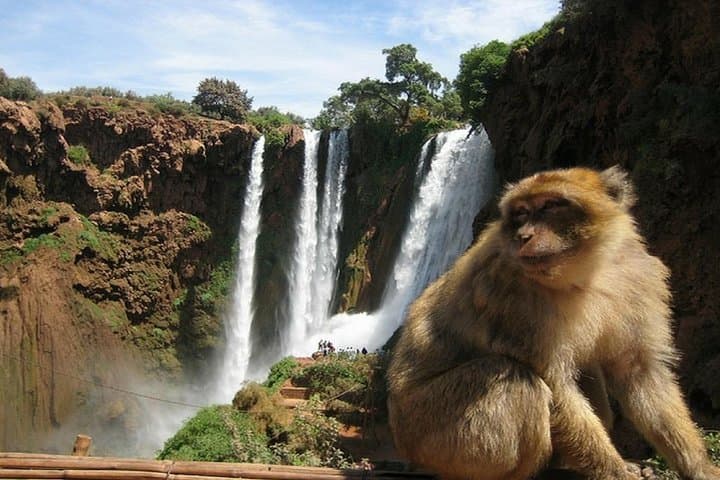
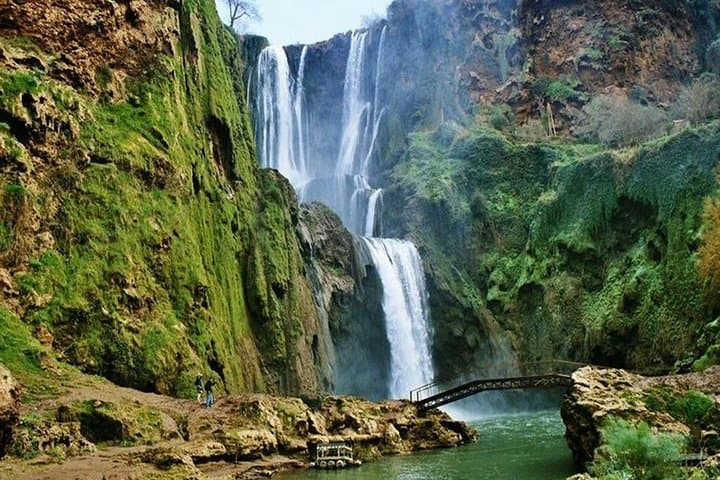
Morning light slices across the Middle Atlas as the van eases up a winding road and the scent of olive groves thickens. By the time the group spills onto the lookout, water is already busy at work—ribbons of white ripping down the cliff edge, pooling, and falling again, until a thunderous 110-meter cascade breaks into terraces and spray. The air tastes of mineral and wet stone; the river dares you closer.
Verified experiences and guided adventures in the surrounding area.
Operated by Historic Marrakech Tours · Ouzoud, Azilal Province
Morning light slices across the Middle Atlas as the van eases up a winding road and the scent of olive groves thickens. By the time the group spills onto the lookout, water is already busy at work—ribbons of white ripping down the cliff edge, pooling, and falling again, until a thunderous 110-meter cascade breaks into terraces and spray. The air tastes of mineral and wet stone; the river dares you closer.
The Cascades d’Ouzoud sit in Azilal Province, about 150 km northeast of Marrakech. Geologically, the falls cleave through Miocene limestone and sandstone layers, forming stepped drops that have carved plunge pools and narrow canyons over millennia. Culturally the site is threaded with Amazigh (Berber) life—olive terraces cling to steep hills, and the nearby village of Tanermelt preserves a slower rhythm where local guides still lead walks and serve tagine in family-run restaurants.
Visitors meet the falls on multiple fronts: from the upper viewpoint you take the spray and the long view; a network of footpaths drops to terraces and riverbanks; small boats push beneath the lowest curtain for a soaked, intimate perspective. Barbary macaques—often called “magots” locally—patrol the trees and stone walls, part showmen, part reminder of the fragile interface between wildlife and tourism.
This is an adventurous day framed by practicalities. The guided option includes pickup from Marrakech in an air-conditioned vehicle (expect roughly 2.5–3 hours one way depending on traffic), an interpretive hike around the falls, and short boat rides on the basin below. The hike involves uneven stone steps, loose scree, and narrow paths—nothing technical, but enough that footwear and attention matter. Bring water, sun protection, and a lightweight rain shell for splash and sudden mountain weather. If you want to get on a boat, plan to carry a change of clothes or packable drybag.
Timing is everything: arrive early to catch softer light and quieter paths; late afternoons bring tour groups but also dramatic backlight for photos. Respect the monkeys—do not feed them and keep cameras zipped when you have snacks. Support local businesses by buying refreshments or hiring a local guide in Tanermelt to deepen your understanding of olive cultivation and Amazigh traditions.
For travelers based in Marrakech, this day trip is a high-reward outing—clear geology, active water, and human-scale culture compressed into a single, unforgettable day.
Practical snapshot: allow 6–7 hours, moderate fitness, non-technical hike with several hundred meters of elevation change on stepped trails, boat rides optional and weather-dependent.
moderate.
6–7 hours.
Moderate; comfortable with uneven terrain, stairs, and short steep sections
Expect roughly 2.5–3 hours each way depending on traffic and road conditions—most operators include pickup and return.
There are shallow pools in some areas but swimming is not generally recommended near the main plunge due to strong currents and slippery rocks; follow guide instructions.
Barbary macaques are wild animals; they are not typically aggressive but will grab food or belongings—do not feed them and keep distance.
Boat rides are usually included in guided packages but can be weather-dependent; confirm with the operator and bring a drybag.
The route is moderate—families and active older travelers can do it but it involves uneven steps; those with mobility issues should avoid steep sections.
Early morning or late afternoon for softer light and fewer crowds; summer is cooler near the falls, while spring brings greener terraces and higher flow.
The falls and surrounding valley have supported Amazigh communities for centuries; terraces of olive and barley reflect long-standing mountain agriculture.
Increased visitation strains trails and wildlife—avoid feeding animals, use local guides, and pack out trash to help preserve the site.
Historic Marrakech Tours operates guided outdoor trips and adventures with an emphasis on safety, stewardship, and memorable experiences.


Morning light slices across the Middle Atlas as the van eases up a winding road and the scent of olive groves thickens. By the time the group spills onto the lookout, water is already busy at work—ribbons of white ripping down the cliff edge, pooling, and falling again, until a thunderous 110-meter cascade breaks into terraces and spray. The air tastes of mineral and wet stone; the river dares you closer.
Morning light slices across the Middle Atlas as the van eases up a winding road and the scent of olive groves thickens. By the time the group spills onto the lookout, water is already busy at work—ribbons of white ripping down the cliff edge, pooling, and falling again, until a thunderous 110-meter cascade breaks into terraces and spray. The air tastes of mineral and wet stone; the river dares you closer.
The Cascades d’Ouzoud sit in Azilal Province, about 150 km northeast of Marrakech. Geologically, the falls cleave through Miocene limestone and sandstone layers, forming stepped drops that have carved plunge pools and narrow canyons over millennia. Culturally the site is threaded with Amazigh (Berber) life—olive terraces cling to steep hills, and the nearby village of Tanermelt preserves a slower rhythm where local guides still lead walks and serve tagine in family-run restaurants.
Visitors meet the falls on multiple fronts: from the upper viewpoint you take the spray and the long view; a network of footpaths drops to terraces and riverbanks; small boats push beneath the lowest curtain for a soaked, intimate perspective. Barbary macaques—often called “magots” locally—patrol the trees and stone walls, part showmen, part reminder of the fragile interface between wildlife and tourism.
This is an adventurous day framed by practicalities. The guided option includes pickup from Marrakech in an air-conditioned vehicle (expect roughly 2.5–3 hours one way depending on traffic), an interpretive hike around the falls, and short boat rides on the basin below. The hike involves uneven stone steps, loose scree, and narrow paths—nothing technical, but enough that footwear and attention matter. Bring water, sun protection, and a lightweight rain shell for splash and sudden mountain weather. If you want to get on a boat, plan to carry a change of clothes or packable drybag.
Timing is everything: arrive early to catch softer light and quieter paths; late afternoons bring tour groups but also dramatic backlight for photos. Respect the monkeys—do not feed them and keep cameras zipped when you have snacks. Support local businesses by buying refreshments or hiring a local guide in Tanermelt to deepen your understanding of olive cultivation and Amazigh traditions.
For travelers based in Marrakech, this day trip is a high-reward outing—clear geology, active water, and human-scale culture compressed into a single, unforgettable day.
Practical snapshot: allow 6–7 hours, moderate fitness, non-technical hike with several hundred meters of elevation change on stepped trails, boat rides optional and weather-dependent.