THE ADVENTURE COLLECTIVE® · Independent discovery and booking for outdoor travel

A full-day escape from Marrakech to the Cascades d’Ouzoud: 110 meters of stepped falls, curious Barbary macaques, a boat ride on the pool below and riverside tagine. Practical tips for timing, footwear and respecting wildlife.
A full-day escape from Marrakech to the Cascades d’Ouzoud: 110 meters of stepped falls, curious Barbary macaques, a boat ride on the pool below and riverside tagine. Practical tips for timing, footwear and respecting wildlife.
The first glimpse arrives between olive trees: a distant white ribbon of water that, as the minibus drops through scrubby hills, becomes a thunderous, frothy curtain. At the viewpoint the spray finds your face before the full fall does. The Cascades d’Ouzoud—over 110 meters of stepped drops—announce themselves not as a single plunge but as a chain of smaller falls, terraces and plunge pools threaded with stone paths and shaded cafés.
Verified experiences and guided adventures in the surrounding area.
Operated by Exploring Atlas Mountains · Ouzoud, Azilal Province
The first glimpse arrives between olive trees: a distant white ribbon of water that, as the minibus drops through scrubby hills, becomes a thunderous, frothy curtain. At the viewpoint the spray finds your face before the full fall does. The Cascades d’Ouzoud—over 110 meters of stepped drops—announce themselves not as a single plunge but as a chain of smaller falls, terraces and plunge pools threaded with stone paths and shaded cafés.
Geologically the site is a product of the Middle Atlas foothills; torrents have gnawed terraces into limestone and clay, creating the falls’ concentric tiers. The name Ouzoud comes from the Amazigh word for olive—trees that clutch the slopes here and give the valley its silvery-green skin. Culturally, the village is small and anchored to day tourism: local guides, café owners who cook tagine to order, and boatmen who navigate the calm pool at the base.
Wildlife is part of the draw. Barbary macaques hop between ledges and tourist terraces with a certainty that’s equal parts charm and nuisance; they are curious more than friendly. Kingfishers and other river birds flash along the current. The human story of Ouzoud is short but visible—stone tracks, little farms, and a rhythm dictated by the seasonal flow of water and the tides of visitors from Marrakech.
This is a day-trip experience first and foremost. Most departures leave Marrakech early for the roughly 150 km drive north, allowing three to four hours at the falls. A local guide will lead sections of the footpaths—some paved, some loose rock—down toward the pools, and boat rides are available for a close look at the lower cataracts.
Practically: wear shoes with good traction and be prepared for stairs and slick rock near the water. Bring sun protection, a refillable water bottle and a light layer for the morning drive. Swimming is possible in calmer pools but currents can be strong—ask a guide before entering. Don’t feed or harass wildlife; macaques are wild animals and stomach upsets and bites have been reported when food changes hands. Lunch is often at a riverside café serving tagine—try the lamb with preserved lemon—and bring cash for small souvenirs and tips.
Timing matters: aim for weekdays or early departures to avoid the busiest windows. The route back to Marrakech is mellow, with olive groves passing like a film reel; it’s the sort of day that balances two simple pleasures—a dramatic natural feature and the easy hospitality of mountain-side cafes.
easy.
8–9 hours.
Light-to-moderate walking fitness; able to manage stairs and uneven paths for a few hours.
The transfer is about 150 km each way and typically takes 2.5–3 hours depending on traffic and stops.
Yes—there are calm pools where people swim, but currents can be unpredictable; follow local guide advice and avoid the base of the main drops.
No—Barbary macaques are wild. Admire them from a distance, avoid feeding and keep bags closed to prevent snatching.
Most day trips include a stop at a local café for lunch but not always within the base price; confirm inclusion when booking and carry cash if you want a specific tagine.
The paths can be steep and include many steps; many operators rate the trip as suitable for most but check mobility needs ahead of booking.
Spring and fall offer mild temperatures and higher flows; summer is hotter and busier, while winter can be wetter but quieter.
Ouzoud’s name refers to the olive groves that dominate the valley; the area has long been a seasonal grazing and olive-producing landscape for local mountain communities.
Tourism pressure and feeding of macaques are ongoing issues—visit with guides who enforce no-feeding rules and favor local businesses that support trail maintenance.
Exploring Atlas Mountains operates guided outdoor trips and adventures with an emphasis on safety, stewardship, and memorable experiences.
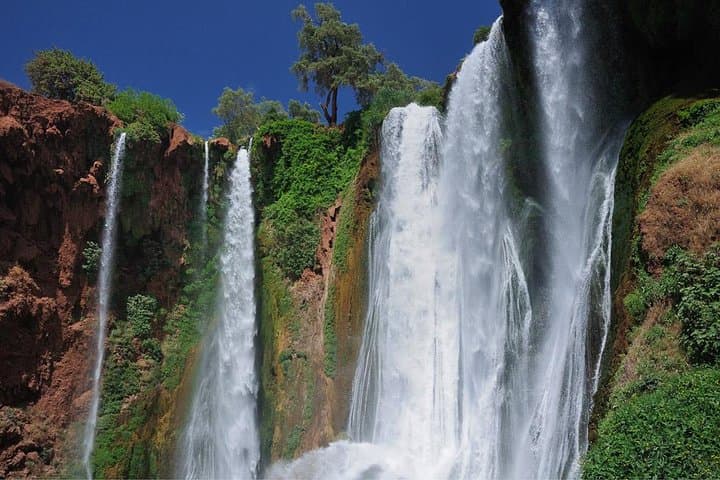
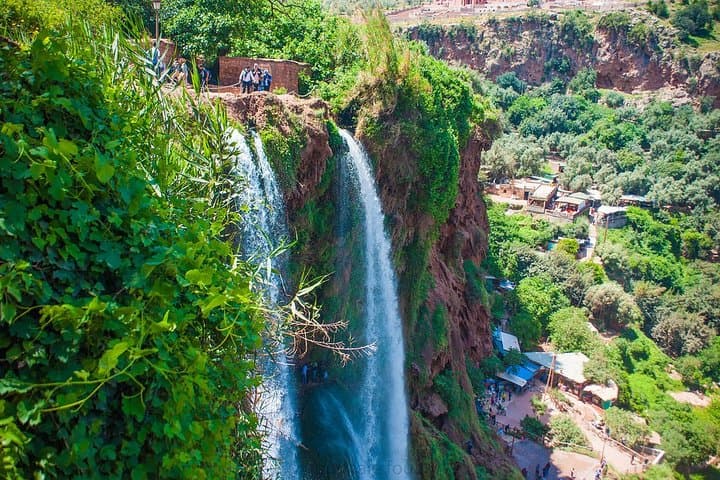
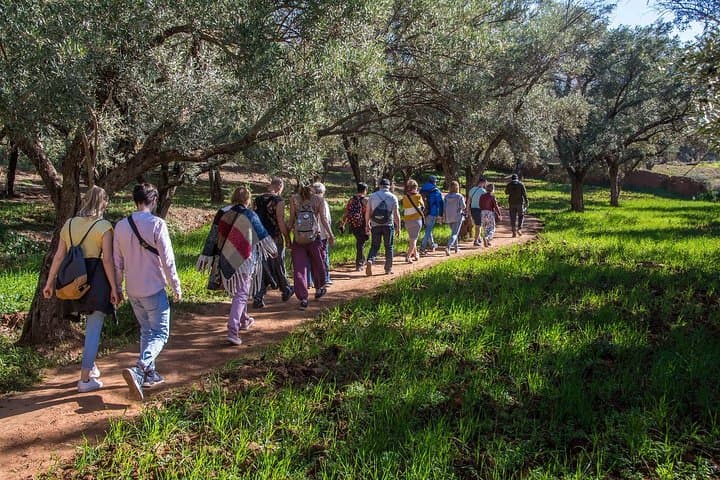
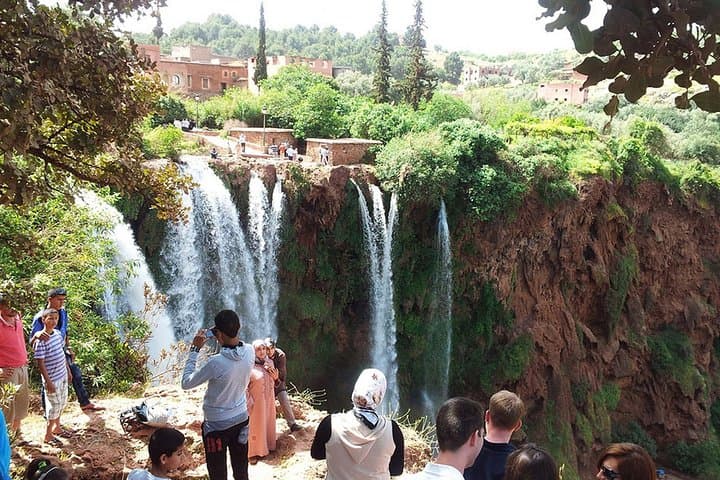
The first glimpse arrives between olive trees: a distant white ribbon of water that, as the minibus drops through scrubby hills, becomes a thunderous, frothy curtain. At the viewpoint the spray finds your face before the full fall does. The Cascades d’Ouzoud—over 110 meters of stepped drops—announce themselves not as a single plunge but as a chain of smaller falls, terraces and plunge pools threaded with stone paths and shaded cafés.
The first glimpse arrives between olive trees: a distant white ribbon of water that, as the minibus drops through scrubby hills, becomes a thunderous, frothy curtain. At the viewpoint the spray finds your face before the full fall does. The Cascades d’Ouzoud—over 110 meters of stepped drops—announce themselves not as a single plunge but as a chain of smaller falls, terraces and plunge pools threaded with stone paths and shaded cafés.
Geologically the site is a product of the Middle Atlas foothills; torrents have gnawed terraces into limestone and clay, creating the falls’ concentric tiers. The name Ouzoud comes from the Amazigh word for olive—trees that clutch the slopes here and give the valley its silvery-green skin. Culturally, the village is small and anchored to day tourism: local guides, café owners who cook tagine to order, and boatmen who navigate the calm pool at the base.
Wildlife is part of the draw. Barbary macaques hop between ledges and tourist terraces with a certainty that’s equal parts charm and nuisance; they are curious more than friendly. Kingfishers and other river birds flash along the current. The human story of Ouzoud is short but visible—stone tracks, little farms, and a rhythm dictated by the seasonal flow of water and the tides of visitors from Marrakech.
This is a day-trip experience first and foremost. Most departures leave Marrakech early for the roughly 150 km drive north, allowing three to four hours at the falls. A local guide will lead sections of the footpaths—some paved, some loose rock—down toward the pools, and boat rides are available for a close look at the lower cataracts.
Practically: wear shoes with good traction and be prepared for stairs and slick rock near the water. Bring sun protection, a refillable water bottle and a light layer for the morning drive. Swimming is possible in calmer pools but currents can be strong—ask a guide before entering. Don’t feed or harass wildlife; macaques are wild animals and stomach upsets and bites have been reported when food changes hands. Lunch is often at a riverside café serving tagine—try the lamb with preserved lemon—and bring cash for small souvenirs and tips.
Timing matters: aim for weekdays or early departures to avoid the busiest windows. The route back to Marrakech is mellow, with olive groves passing like a film reel; it’s the sort of day that balances two simple pleasures—a dramatic natural feature and the easy hospitality of mountain-side cafes.