THE ADVENTURE COLLECTIVE® · Independent discovery and booking for outdoor travel

In a single daylight span you’ll move from rainforest to moorland and stand beneath views of Kilimanjaro’s snow-capped summit. This guided day hike from Arusha packs cultural stops, wildlife sightings, and dramatic scenery into a manageable 6–8 hour adventure.
In a single daylight span you’ll move from rainforest to moorland and stand beneath views of Kilimanjaro’s snow-capped summit. This guided day hike from Arusha packs cultural stops, wildlife sightings, and dramatic scenery into a manageable 6–8 hour adventure.
Before dawn a small convoy peels away from Arusha, headlights cutting through mist as the silhouette of Kilimanjaro rises ahead—an enormous, indifferent presence, its summit cuffed with stubborn snow. Over six to eight hours the route moves like a short story: rainforest chapters full of dripping moss and colobus monkeys, open moorlands where lobelia and giant senecio seem to test gravity, then sudden clearings that throw the glacier-capped summit into sharp relief. The mountain doesn’t have to be climbed to be felt; on this day trip its scale translates into wide views and the quick, repeated discoveries that make a single day unforgettable.
Verified experiences and guided adventures in the surrounding area.
Operated by Serengeti Safari Booking · Moshi, Kilimanjaro Region
Before dawn a small convoy peels away from Arusha, headlights cutting through mist as the silhouette of Kilimanjaro rises ahead—an enormous, indifferent presence, its summit cuffed with stubborn snow. Over six to eight hours the route moves like a short story: rainforest chapters full of dripping moss and colobus monkeys, open moorlands where lobelia and giant senecio seem to test gravity, then sudden clearings that throw the glacier-capped summit into sharp relief. The mountain doesn’t have to be climbed to be felt; on this day trip its scale translates into wide views and the quick, repeated discoveries that make a single day unforgettable.
Geology and human history converge here. Kilimanjaro is a dormant stratovolcano formed by rift-related uplift; its glaciers are shrinking record-keepers of climate change, a slow removal of white that travelers now glimpse in photographs and from viewpoints. The slopes are lived in—Chagga villages punctuate the lower flanks with terraced farms and coffee trees. For centuries the Chagga have read the mountain’s weather, named its places and woven stories into its ridgelines; guides on this trip often share those local traditions en route.
This itinerary is practical and compact: a guided hike that reaches high forest and moorland viewpoints rather than the summit, offering photo-ready panoramas without the logistics of multi-day camping. Terrain alternates packed dirt, roots and rocky switchbacks with occasional muddy patches after rains. Expect an elevation band roughly between 1,400–3,000 meters, with cumulative ascent that can feel brisk if you haven’t acclimatized.
The day balances thrill and caution. Altitude is the real variable—symptoms can arrive even on a short hike—so guides watch pace and recommend hydration and conservative effort. Cultural stops add texture: a walk past Chagga farms, a look at traditional beehives, and often a coffee tasting that highlights how the mountain’s slopes feed local livelihoods.
Practicalities: wear sturdy hiking boots, bring layered clothing for sun and wind, pack at least 2–3 liters of water and snacks, and carry a small daypack with a waterproof shell. Start early to catch the clearest views and avoid afternoon clouds. Transfers and lunch are typically included; tipping local guides is customary and appreciated.
For travelers short on time or nervous about multi-day high-altitude climbs, this day hike is a well-calibrated way to meet Kilimanjaro—close enough to feel the mountain’s scale, designed to return you to Arusha the same evening, and built around local guides who translate landscape into story and context.
moderate.
6–8 hours.
Moderately fit; able to sustain steady uphill walking and tolerate short steep sections; comfortable with long days of walking.
No—the one-day hike brings you to high forest and moorland viewpoints with clear summit views on good days; summit attempts require multi-day climbs and acclimatization.
The route typically stays between about 1,400–3,000 meters; while lower than summit routes, altitude effects can occur—drink water, go slow, and alert your guide to any symptoms.
Moderate fitness: regular walkers who can manage several hours of sustained uphill hiking will be comfortable; practice on local hills if possible.
Lunch and park parking fees are typically included; most operators also provide pickup from central Arusha hotels or the airport if arranged in advance.
Tipping is customary; plan for a modest tip proportional to service (often pooled among guides and support staff)—ask your operator for local guidance.
Not recommended for travelers with serious back/heart conditions or pregnancy; children may join if fit and steady on uneven trails—check operator policies before booking.
The Chagga people have farmed the mountain’s lower slopes for generations and regard Kilimanjaro as central to local identity; colonial-era maps later turned the peak into an international climbing objective.
Kilimanjaro National Park charges entrance fees that support conservation and local communities; visitors are urged to stick to trails and avoid leaving waste as glaciers and delicate alpine plants are vulnerable to disturbance.
Serengeti Safari Booking operates guided outdoor trips and adventures with an emphasis on safety, stewardship, and memorable experiences.
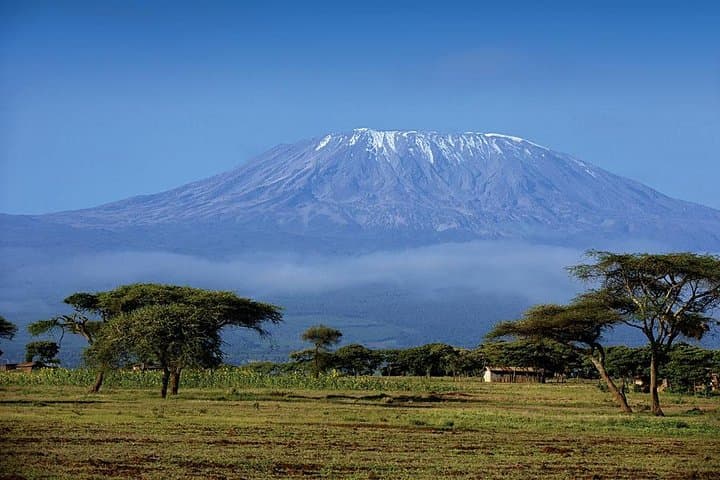
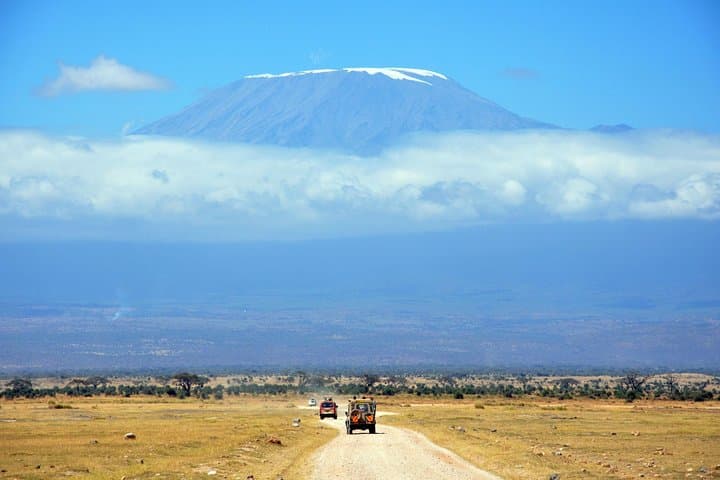
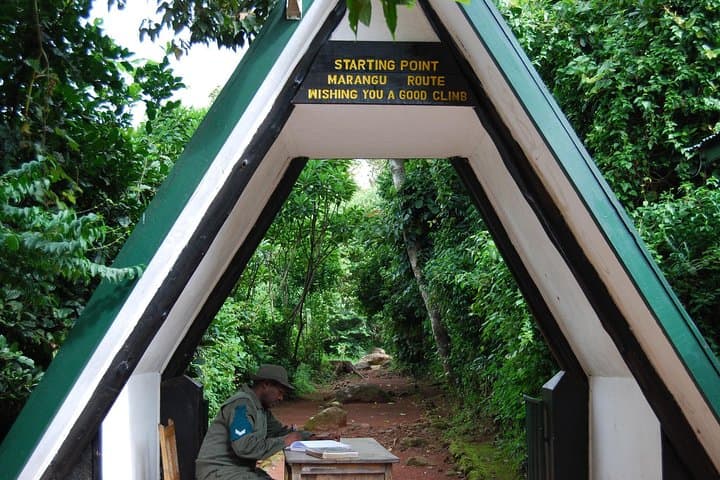
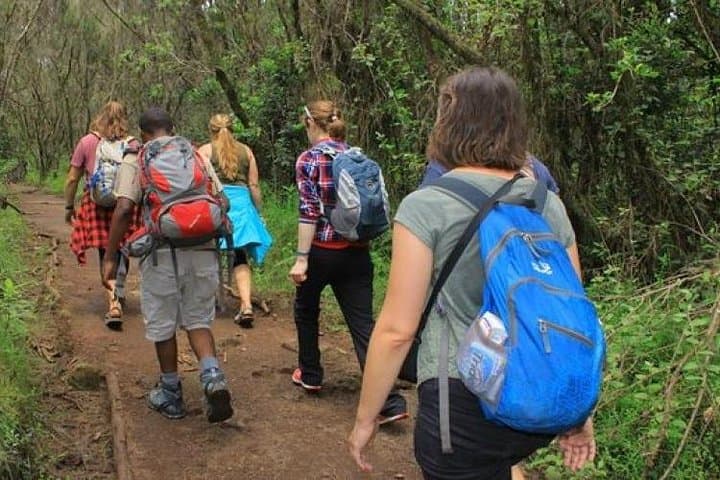
Before dawn a small convoy peels away from Arusha, headlights cutting through mist as the silhouette of Kilimanjaro rises ahead—an enormous, indifferent presence, its summit cuffed with stubborn snow. Over six to eight hours the route moves like a short story: rainforest chapters full of dripping moss and colobus monkeys, open moorlands where lobelia and giant senecio seem to test gravity, then sudden clearings that throw the glacier-capped summit into sharp relief. The mountain doesn’t have to be climbed to be felt; on this day trip its scale translates into wide views and the quick, repeated discoveries that make a single day unforgettable.
Before dawn a small convoy peels away from Arusha, headlights cutting through mist as the silhouette of Kilimanjaro rises ahead—an enormous, indifferent presence, its summit cuffed with stubborn snow. Over six to eight hours the route moves like a short story: rainforest chapters full of dripping moss and colobus monkeys, open moorlands where lobelia and giant senecio seem to test gravity, then sudden clearings that throw the glacier-capped summit into sharp relief. The mountain doesn’t have to be climbed to be felt; on this day trip its scale translates into wide views and the quick, repeated discoveries that make a single day unforgettable.
Geology and human history converge here. Kilimanjaro is a dormant stratovolcano formed by rift-related uplift; its glaciers are shrinking record-keepers of climate change, a slow removal of white that travelers now glimpse in photographs and from viewpoints. The slopes are lived in—Chagga villages punctuate the lower flanks with terraced farms and coffee trees. For centuries the Chagga have read the mountain’s weather, named its places and woven stories into its ridgelines; guides on this trip often share those local traditions en route.
This itinerary is practical and compact: a guided hike that reaches high forest and moorland viewpoints rather than the summit, offering photo-ready panoramas without the logistics of multi-day camping. Terrain alternates packed dirt, roots and rocky switchbacks with occasional muddy patches after rains. Expect an elevation band roughly between 1,400–3,000 meters, with cumulative ascent that can feel brisk if you haven’t acclimatized.
The day balances thrill and caution. Altitude is the real variable—symptoms can arrive even on a short hike—so guides watch pace and recommend hydration and conservative effort. Cultural stops add texture: a walk past Chagga farms, a look at traditional beehives, and often a coffee tasting that highlights how the mountain’s slopes feed local livelihoods.
Practicalities: wear sturdy hiking boots, bring layered clothing for sun and wind, pack at least 2–3 liters of water and snacks, and carry a small daypack with a waterproof shell. Start early to catch the clearest views and avoid afternoon clouds. Transfers and lunch are typically included; tipping local guides is customary and appreciated.
For travelers short on time or nervous about multi-day high-altitude climbs, this day hike is a well-calibrated way to meet Kilimanjaro—close enough to feel the mountain’s scale, designed to return you to Arusha the same evening, and built around local guides who translate landscape into story and context.