THE ADVENTURE COLLECTIVE® · Independent discovery and booking for outdoor travel

Spend a compact, immersive day on Kilimanjaro’s classic Marangu Route: a forested ascent to Mandara Huts with a crater-side view, communal huts, and a clear sense of the mountain’s changing zones. This approachable day trek is ideal for travelers wanting mountain exposure without a summit attempt.
Spend a compact, immersive day on Kilimanjaro’s classic Marangu Route: a forested ascent to Mandara Huts with a crater-side view, communal huts, and a clear sense of the mountain’s changing zones. This approachable day trek is ideal for travelers wanting mountain exposure without a summit attempt.
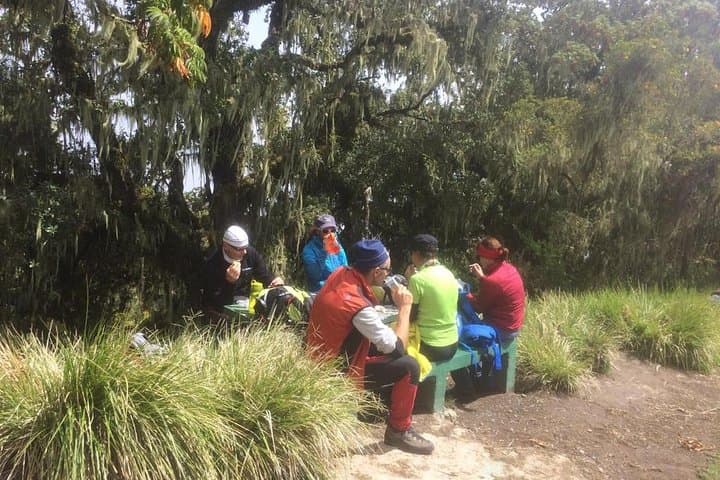
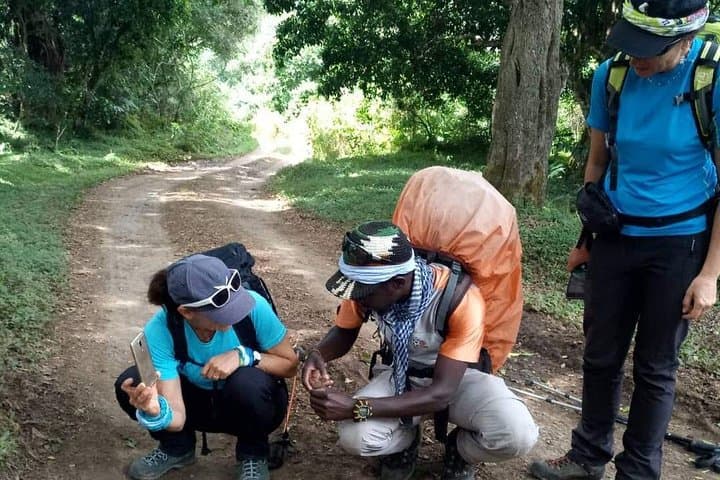
You step out of the minivan and the air on Kilimanjaro’s eastern flank presses cool and damp against your face — the mountain is already at work changing weather into atmosphere. The trail from Marangu Gate slides into a green tunnel of eucalyptus and camphor trees; light moves through leaves like a slow tide. Birds call overhead, a colobus monkey threads silently across branches, and the path, at first gentle, begins to incline with a steady, deliberate patience.
Verified experiences and guided adventures in the surrounding area.
Operated by Golden Summit Adventures · Moshi, Kilimanjaro Region
You step out of the minivan and the air on Kilimanjaro’s eastern flank presses cool and damp against your face — the mountain is already at work changing weather into atmosphere. The trail from Marangu Gate slides into a green tunnel of eucalyptus and camphor trees; light moves through leaves like a slow tide. Birds call overhead, a colobus monkey threads silently across branches, and the path, at first gentle, begins to incline with a steady, deliberate patience.
The Marangu Route is Kilimanjaro’s most established track, the one that opened the mountain to early 20th-century tourists and porters. It earned the nickname "Coca-Cola" route for its relative ease and the comfort huts that punctuate the ascent. Geologically, you’re tracing old lava flows and volcanic soils up through zones — montane forest gives way to heath and alpine moorland in a single day of steady walking — a compressed lesson in elevation-driven ecosystems.
The Chagga people have farmed the lower slopes for generations; along the road to Marangu you’ll see banana terraces and wooden granaries, small signs of a culture adapted to both mountain and plain. The huts at Mandara are communal, lit by solar lamps and alive with the layered languages of international groups sharing tea and a bunkerlike bed.
For travelers, the one-day variant is practical: you get a taste of Kilimanjaro’s changing climate, the crater views from Maundi and an overnight in real mountain huts without committing to a full summit attempt. For guides it’s logistics — register at the gate, count permits, and move a group up before afternoon storms develop.
Practical guidance: start in Moshi by 8 a.m.; expect 4–5 hours of hiking to Mandara Huts with another short side-trip to Maundi Crater if time allows. Trails can be slippery after rain; gaiters and poles make a tangible difference. Clothing choices are about layers — light at the gate, warm at the hut — and a waterproof shell is non-negotiable during the rainy seasons.
Acclimatization is less critical on this short ascent, but altitude still nudges the body; drink steadily and tell your guide about headaches or nausea. Permits and park fees are handled at Marangu Gate; bring your passport for the paperwork. If you want photos, aim for late afternoon when clouds break and the plains below unroll like a living map.
Whether you’re scouting Kilimanjaro for a longer climb or looking for a single, satisfying mountain day, the Marangu Route distills the mountain’s character: incremental, communal, and quietly demanding. It’s a primer in how an African massif shapes weather, livelihoods, and a traveler’s expectations.
moderate.
8–10 hours.
Suitable for hikers with regular cardio fitness — expect steady uphill walking for several hours at elevation.
No technical experience is required, but you should be comfortable walking 4–6 hours with elevation gain; regular cardio training will help.
Park registration and fees are handled at Marangu Gate; confirm with your operator whether permits are included in the booking price.
The route to Mandara Huts reaches roughly 2,700–2,800 m (8,860–9,200 ft), which can cause mild altitude effects for some people.
Lunch, tea/coffee and dinner at the huts are typically included; confirm dietary needs when booking.
The itinerary notes suitability for all fitness levels, but anyone with heart or serious medical conditions should consult a physician and the operator before booking.
Expect about 4–5 hours of hiking one-way, including a lunch stop and slow sections for photos and acclimatization.
Marangu was the main early colonial route up Kilimanjaro and the communal huts reflect decades of organized guide-and-porter ascents.
Kilimanjaro National Park manages permits and fees to support conservation; stay on marked trails, pack out trash, and respect local guides and porter welfare.
Golden Summit Adventures operates guided outdoor trips and adventures with an emphasis on safety, stewardship, and memorable experiences.
You step out of the minivan and the air on Kilimanjaro’s eastern flank presses cool and damp against your face — the mountain is already at work changing weather into atmosphere. The trail from Marangu Gate slides into a green tunnel of eucalyptus and camphor trees; light moves through leaves like a slow tide. Birds call overhead, a colobus monkey threads silently across branches, and the path, at first gentle, begins to incline with a steady, deliberate patience.
You step out of the minivan and the air on Kilimanjaro’s eastern flank presses cool and damp against your face — the mountain is already at work changing weather into atmosphere. The trail from Marangu Gate slides into a green tunnel of eucalyptus and camphor trees; light moves through leaves like a slow tide. Birds call overhead, a colobus monkey threads silently across branches, and the path, at first gentle, begins to incline with a steady, deliberate patience.
The Marangu Route is Kilimanjaro’s most established track, the one that opened the mountain to early 20th-century tourists and porters. It earned the nickname "Coca-Cola" route for its relative ease and the comfort huts that punctuate the ascent. Geologically, you’re tracing old lava flows and volcanic soils up through zones — montane forest gives way to heath and alpine moorland in a single day of steady walking — a compressed lesson in elevation-driven ecosystems.
The Chagga people have farmed the lower slopes for generations; along the road to Marangu you’ll see banana terraces and wooden granaries, small signs of a culture adapted to both mountain and plain. The huts at Mandara are communal, lit by solar lamps and alive with the layered languages of international groups sharing tea and a bunkerlike bed.
For travelers, the one-day variant is practical: you get a taste of Kilimanjaro’s changing climate, the crater views from Maundi and an overnight in real mountain huts without committing to a full summit attempt. For guides it’s logistics — register at the gate, count permits, and move a group up before afternoon storms develop.
Practical guidance: start in Moshi by 8 a.m.; expect 4–5 hours of hiking to Mandara Huts with another short side-trip to Maundi Crater if time allows. Trails can be slippery after rain; gaiters and poles make a tangible difference. Clothing choices are about layers — light at the gate, warm at the hut — and a waterproof shell is non-negotiable during the rainy seasons.
Acclimatization is less critical on this short ascent, but altitude still nudges the body; drink steadily and tell your guide about headaches or nausea. Permits and park fees are handled at Marangu Gate; bring your passport for the paperwork. If you want photos, aim for late afternoon when clouds break and the plains below unroll like a living map.
Whether you’re scouting Kilimanjaro for a longer climb or looking for a single, satisfying mountain day, the Marangu Route distills the mountain’s character: incremental, communal, and quietly demanding. It’s a primer in how an African massif shapes weather, livelihoods, and a traveler’s expectations.