THE ADVENTURE COLLECTIVE® · Independent discovery and booking for outdoor travel

From Muscat’s seafront to the Sharqiya Sands and the high rim of Jebel Shams, this four-day circuit strings together Oman’s greatest hits with a steady, unrushed rhythm. Expect canyon pools, turtle beaches, living history, and mountain air—all with practical travel ease.
From Muscat’s seafront to the Sharqiya Sands and the high rim of Jebel Shams, this four-day circuit strings together Oman’s greatest hits with a steady, unrushed rhythm. Expect canyon pools, turtle beaches, living history, and mountain air—all with practical travel ease.
Dawn lifts over Muscat and the Gulf brightens like polished steel as the highway threads east. The coast pulls you along limestone bluffs to Wadi Shab, where walls narrow and the water runs a cool ribbon through heat-baked stone. The trail asks for steady footing—about 45 minutes of walking and light scrambling—before the pools open up, blue and inviting. Slip in and the canyon exhales; currents nudge you toward hidden grottoes while swallows stitch shadows overhead.
Verified experiences and guided adventures in the surrounding area.
Operated by Explore Oman Tours · Muscat, Muscat Governorate
Dawn lifts over Muscat and the Gulf brightens like polished steel as the highway threads east. The coast pulls you along limestone bluffs to Wadi Shab, where walls narrow and the water runs a cool ribbon through heat-baked stone. The trail asks for steady footing—about 45 minutes of walking and light scrambling—before the pools open up, blue and inviting. Slip in and the canyon exhales; currents nudge you toward hidden grottoes while swallows stitch shadows overhead.
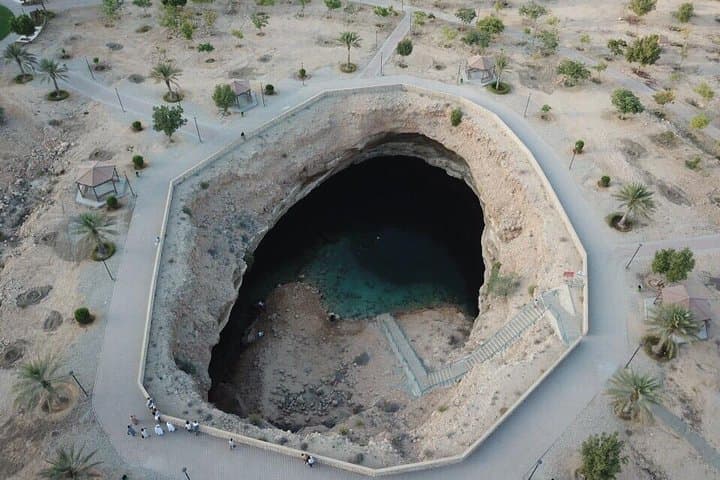
A short drive north, Bimmah Sinkhole yaws open in the earth—local lore blames a falling star, geology points to a collapsed limestone roof. Either way, the aquamarine bowl is a masterclass in Omani karst. By night, the coast trades shimmer for hush at Turtle Beach near Ras Al Jinz. Rangers set the pace; red lights glow; the Indian Ocean decides your show. When a green turtle lifts out of the surf, the beach seems to hold its breath.
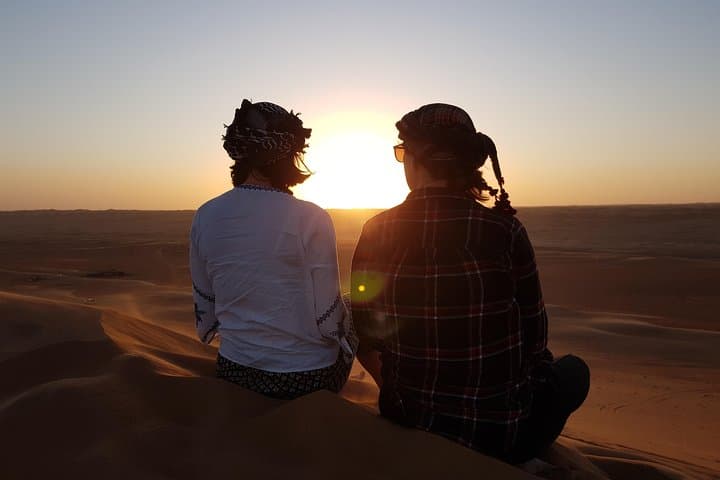
Day two climbs into Wadi Bani Khalid, an oasis tucked deep between folded mountains. Date palms fan over terraced pools, and the water is glass-clear—ideal for a cooling swim. By afternoon the road slides into Sharqiya Sands, dunes marching to the horizon. Ride a camel as the light drops; ridgelines sharpen, then soften, and the desert starts to talk in temperatures rather than words. Stars arrive early and in numbers.
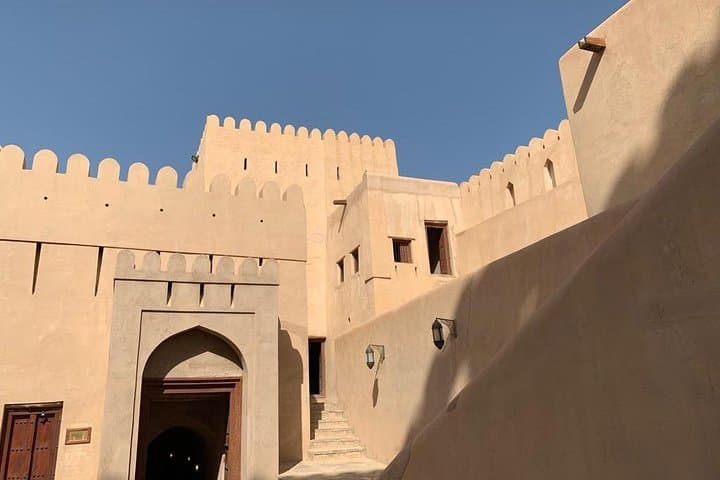
History takes the wheel on day three. Nizwa Fort—a 17th-century powerhouse—faces a lively souq where silverwork, spices, and pyramids of dates stack high. Sample halwa, the sticky-smooth Omani sweet, then rise to 2,000 meters on Jabal Akhdar. Terraced villages cling to canyon edges; in spring, rose fields scent the wind. Down in Birkat Al Mouz, Falaj Al Khatmeen—part of Oman’s UNESCO-listed aflaj irrigation system—still channels mountain water with 2,000 years of stubborn practicality.
The finale arcs through Al Hamra’s mud-brick lanes and Misfat Al Abriyeen, where stone paths twist beside gurgling falaj channels. Bait Al Safa offers a living-room window into old Omani life—coffee roasting, bread baking, tools that tell you how people solved problems before batteries. Then the road tops out on Jebel Shams, Oman’s “Grand Canyon.” The rim stares into Wadi Ghul’s raw geology—layered, fractured, endlessly photogenic—while ravens ride thermals like it’s their daily commute.
It’s a route that moves with purpose and patience: paved highways, occasional switchbacks, and plenty of time off the bus. Bring water shoes for wadis, modest clothing for towns, and a headlamp with a red filter for turtle country. Hydrate early, walk the shade when you can, and let Oman do what it does best—show its contrasts without breaking stride.
moderate.
4 days.
Comfortable walking in warm to hot conditions, including a 45-minute canyon hike and short dune walks; swimming optional.
Private, air-conditioned transport with fuel surcharge is included. Overnights typically follow the itinerary (Turtle Beach area, desert camp, Nizwa hotel). Check with the operator for specifics on meals, entrance fees, and guiding at reserves.
Overall moderate. Expect a 45-minute hike with light scrambling at Wadi Shab, optional swims in wadis, and short dune walks in soft sand.
October through April offers cooler temperatures for hiking and sightseeing. Turtle nesting peaks in summer, but coastal heat is intense.
Closed-toe water shoes or grippy sandals are recommended for slick rocks and submerged steps; flip-flops are not ideal.
Sightings are not guaranteed. Rangers manage access and viewing protocols to protect nesting turtles; patience and quiet help your chances.
Choose modest clothing—shoulders and knees covered in towns and villages. Lightweight, breathable fabrics keep you comfortable in the heat.
Nizwa’s fort anchored Omani power in the 17th century, while the ancient aflaj irrigation system—like Falaj Al Khatmeen—has supplied farms for over two millennia and is UNESCO-listed.
Follow Leave No Trace principles in wadis and dunes; pack out all trash. Nighttime turtle walks operate with strict light and distance rules to protect nesting beaches.
Explore Oman Tours operates guided outdoor trips and adventures with an emphasis on safety, stewardship, and memorable experiences.
Dawn lifts over Muscat and the Gulf brightens like polished steel as the highway threads east. The coast pulls you along limestone bluffs to Wadi Shab, where walls narrow and the water runs a cool ribbon through heat-baked stone. The trail asks for steady footing—about 45 minutes of walking and light scrambling—before the pools open up, blue and inviting. Slip in and the canyon exhales; currents nudge you toward hidden grottoes while swallows stitch shadows overhead.
Dawn lifts over Muscat and the Gulf brightens like polished steel as the highway threads east. The coast pulls you along limestone bluffs to Wadi Shab, where walls narrow and the water runs a cool ribbon through heat-baked stone. The trail asks for steady footing—about 45 minutes of walking and light scrambling—before the pools open up, blue and inviting. Slip in and the canyon exhales; currents nudge you toward hidden grottoes while swallows stitch shadows overhead.
A short drive north, Bimmah Sinkhole yaws open in the earth—local lore blames a falling star, geology points to a collapsed limestone roof. Either way, the aquamarine bowl is a masterclass in Omani karst. By night, the coast trades shimmer for hush at Turtle Beach near Ras Al Jinz. Rangers set the pace; red lights glow; the Indian Ocean decides your show. When a green turtle lifts out of the surf, the beach seems to hold its breath.
Day two climbs into Wadi Bani Khalid, an oasis tucked deep between folded mountains. Date palms fan over terraced pools, and the water is glass-clear—ideal for a cooling swim. By afternoon the road slides into Sharqiya Sands, dunes marching to the horizon. Ride a camel as the light drops; ridgelines sharpen, then soften, and the desert starts to talk in temperatures rather than words. Stars arrive early and in numbers.
History takes the wheel on day three. Nizwa Fort—a 17th-century powerhouse—faces a lively souq where silverwork, spices, and pyramids of dates stack high. Sample halwa, the sticky-smooth Omani sweet, then rise to 2,000 meters on Jabal Akhdar. Terraced villages cling to canyon edges; in spring, rose fields scent the wind. Down in Birkat Al Mouz, Falaj Al Khatmeen—part of Oman’s UNESCO-listed aflaj irrigation system—still channels mountain water with 2,000 years of stubborn practicality.
The finale arcs through Al Hamra’s mud-brick lanes and Misfat Al Abriyeen, where stone paths twist beside gurgling falaj channels. Bait Al Safa offers a living-room window into old Omani life—coffee roasting, bread baking, tools that tell you how people solved problems before batteries. Then the road tops out on Jebel Shams, Oman’s “Grand Canyon.” The rim stares into Wadi Ghul’s raw geology—layered, fractured, endlessly photogenic—while ravens ride thermals like it’s their daily commute.
It’s a route that moves with purpose and patience: paved highways, occasional switchbacks, and plenty of time off the bus. Bring water shoes for wadis, modest clothing for towns, and a headlamp with a red filter for turtle country. Hydrate early, walk the shade when you can, and let Oman do what it does best—show its contrasts without breaking stride.