THE ADVENTURE COLLECTIVE® · Independent discovery and booking for outdoor travel

Step from a private vehicle into the Omaka Aviation Heritage Centre, where WWI biplanes and WWII fighters are staged like living scenes, then trade aviation thrills for cellar‑door conversation on a five‑hour private tour through Marlborough’s vineyards. Ideal for history lovers who appreciate good wine and efficient logistics.
Step from a private vehicle into the Omaka Aviation Heritage Centre, where WWI biplanes and WWII fighters are staged like living scenes, then trade aviation thrills for cellar‑door conversation on a five‑hour private tour through Marlborough’s vineyards. Ideal for history lovers who appreciate good wine and efficient logistics.
The tour begins before the hangar doors open: a cool Marlborough morning with low sun striking the corrugated metal of the Omaka Aviation Heritage Centre and the smell of damp earth rolling off nearby vineyards. Guests step from a private, air‑conditioned vehicle into a space where history is staged like theatre—life‑size dioramas, rigged biplanes hanging as if frozen in mid‑maneuver, uniforms and letters that let the past speak. The museum’s creative displays, produced with heavy local input and international curatorship, make the aircraft feel like characters rather than objects.
Verified experiences and guided adventures in the surrounding area.
Operated by Nicolas Perez · Blenheim, Marlborough
The tour begins before the hangar doors open: a cool Marlborough morning with low sun striking the corrugated metal of the Omaka Aviation Heritage Centre and the smell of damp earth rolling off nearby vineyards. Guests step from a private, air‑conditioned vehicle into a space where history is staged like theatre—life‑size dioramas, rigged biplanes hanging as if frozen in mid‑maneuver, uniforms and letters that let the past speak. The museum’s creative displays, produced with heavy local input and international curatorship, make the aircraft feel like characters rather than objects.
Omaka’s two halls trace the arc of aerial warfare and aviation craftmaking—from the wooden frameworks and linen skins of World War I to the metal fighters of World War II. The displays are as much about people—pilots, mechanics and the communities that raised them—as about engineering. Marlborough itself is older than its modern vineyards: river terraces and alluvial fans deposited by the Wairau and its tributaries created the free‑draining soils that today feed Sauvignon Blanc vines. Driving from Blenheim toward Omaka, the landscape shifts from township grid to ribboned vineyards, each row folding across the hills like a careful, agricultural contour line.
After an immersive 90–120 minute museum visit with an experienced guide, the vehicle rolls toward two boutique wineries selected for their character and availability. At lunch, the group disperses to a recommended local restaurant; this break lets the museum’s adrenaline settle and prepares the palate for tasting. In cellar doors, the conversation changes—barrels, cane prunings, vine age—and the river that carved Marlborough becomes a secondary character, its frost pockets and warm daytime breezes shaping acidity and aromatics.
Practicalities are clean and uncomplicated. The private tour runs about five hours and includes pickup from Blenheim hotels or the Picton port. The museum admission is included; lunch and bottled water are noted—water and snacks are provided on board. The day is suitable for nearly all fitness levels: most of the time is spent standing, walking on flat hangar floors, and short vineyard strolls.
For photographers, the dimly lit dioramas reward a steady hand and a wide aperture; vineyards insist on late‑afternoon light for texture and depth. Timing your visit in shoulder seasons reduces crowds and delivers clearer light over the vines. The tour pairs cultural history with sensory pleasures—machines daring the sky, currents of grape and soil pushing a very different kind of craft into being.
Booking advice: reserve in advance, flag any dietary needs, and plan to leave bulky luggage in your hotel or vehicle. This is a compact, private encounter with two of Marlborough’s strengths: storytelling and wine.
easy.
5 hours.
Suitable for most fitness levels; expect short periods of standing and walking on even surfaces.
Yes—admission to the Omaka Aviation Heritage Centre is included in the tour.
No—one hour is allocated for lunch at a local restaurant, but the meal cost is not included.
Tastings at two wineries are typically part of the itinerary, but the exact wineries depend on availability and preferences.
Yes—notify the operator when booking and they will coordinate with the restaurant and guide where possible.
Pickup is available from Blenheim hotels and from Picton port; confirm your pickup point and be ready in the lobby 10 minutes early.
Yes—it's family‑friendly, but under‑18s cannot participate in alcohol tastings; plan accordingly.
Omaka’s displays were developed with international curators and local collectors to tell both technological and human stories from World Wars I and II.
Vineyard managers in Marlborough emphasize water‑efficient irrigation and riparian planting to protect soil and river health; visitors are asked to follow cellar‑door recycling and tasting‑glass policies.
Nicolas Perez operates guided outdoor trips and adventures with an emphasis on safety, stewardship, and memorable experiences.
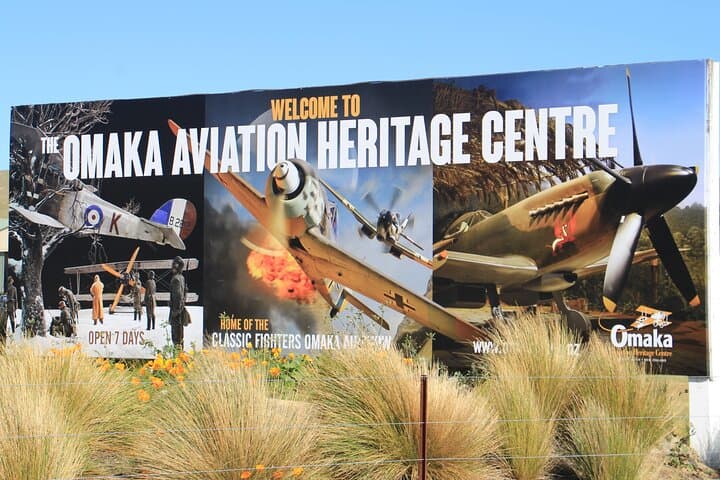
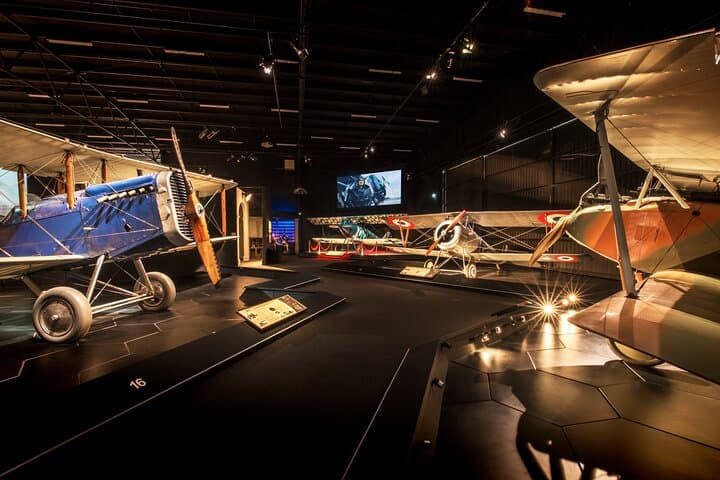
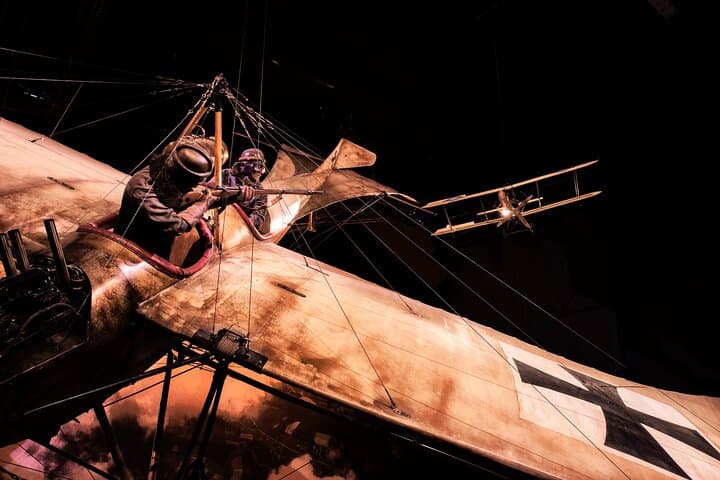
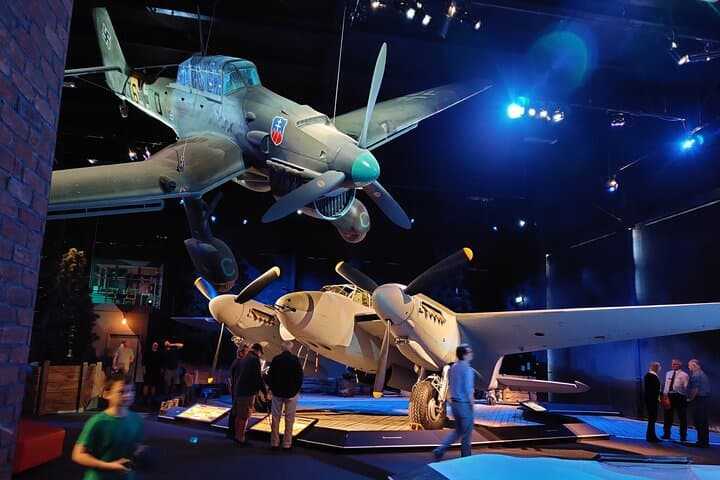
The tour begins before the hangar doors open: a cool Marlborough morning with low sun striking the corrugated metal of the Omaka Aviation Heritage Centre and the smell of damp earth rolling off nearby vineyards. Guests step from a private, air‑conditioned vehicle into a space where history is staged like theatre—life‑size dioramas, rigged biplanes hanging as if frozen in mid‑maneuver, uniforms and letters that let the past speak. The museum’s creative displays, produced with heavy local input and international curatorship, make the aircraft feel like characters rather than objects.
The tour begins before the hangar doors open: a cool Marlborough morning with low sun striking the corrugated metal of the Omaka Aviation Heritage Centre and the smell of damp earth rolling off nearby vineyards. Guests step from a private, air‑conditioned vehicle into a space where history is staged like theatre—life‑size dioramas, rigged biplanes hanging as if frozen in mid‑maneuver, uniforms and letters that let the past speak. The museum’s creative displays, produced with heavy local input and international curatorship, make the aircraft feel like characters rather than objects.
Omaka’s two halls trace the arc of aerial warfare and aviation craftmaking—from the wooden frameworks and linen skins of World War I to the metal fighters of World War II. The displays are as much about people—pilots, mechanics and the communities that raised them—as about engineering. Marlborough itself is older than its modern vineyards: river terraces and alluvial fans deposited by the Wairau and its tributaries created the free‑draining soils that today feed Sauvignon Blanc vines. Driving from Blenheim toward Omaka, the landscape shifts from township grid to ribboned vineyards, each row folding across the hills like a careful, agricultural contour line.
After an immersive 90–120 minute museum visit with an experienced guide, the vehicle rolls toward two boutique wineries selected for their character and availability. At lunch, the group disperses to a recommended local restaurant; this break lets the museum’s adrenaline settle and prepares the palate for tasting. In cellar doors, the conversation changes—barrels, cane prunings, vine age—and the river that carved Marlborough becomes a secondary character, its frost pockets and warm daytime breezes shaping acidity and aromatics.
Practicalities are clean and uncomplicated. The private tour runs about five hours and includes pickup from Blenheim hotels or the Picton port. The museum admission is included; lunch and bottled water are noted—water and snacks are provided on board. The day is suitable for nearly all fitness levels: most of the time is spent standing, walking on flat hangar floors, and short vineyard strolls.
For photographers, the dimly lit dioramas reward a steady hand and a wide aperture; vineyards insist on late‑afternoon light for texture and depth. Timing your visit in shoulder seasons reduces crowds and delivers clearer light over the vines. The tour pairs cultural history with sensory pleasures—machines daring the sky, currents of grape and soil pushing a very different kind of craft into being.
Booking advice: reserve in advance, flag any dietary needs, and plan to leave bulky luggage in your hotel or vehicle. This is a compact, private encounter with two of Marlborough’s strengths: storytelling and wine.