THE ADVENTURE COLLECTIVE® · Independent discovery and booking for outdoor travel

Walk the Olive Trail from Lugano to Gandria, where ancient terraces, tiny grotti and a fishermen’s village meet the glassy surface of Lake Lugano. This guided half‑day pairs scenic hiking with time to explore Gandria and a relaxing boat return to the city.
Walk the Olive Trail from Lugano to Gandria, where ancient terraces, tiny grotti and a fishermen’s village meet the glassy surface of Lake Lugano. This guided half‑day pairs scenic hiking with time to explore Gandria and a relaxing boat return to the city.
The morning opens over Lake Lugano like a slow exhale. You meet your guide at the tourist office on Via Magatti; a row of ferries punctuates the water, and the city’s park—Parco Ciani—unfurls toward the shore. By 10 a.m. the group slips into the narrow Sentiero dell’Olivo, the Olive Trail that pins Castagnola to Gandria. The path keeps the lake at your feet and the hills at your shoulder, revealing terraces of gnarled olive trees and sun-worn stone steps that feel older than the village you’re heading for.
Verified experiences and guided adventures in the surrounding area.
Operated by Ente Turistico del Luganese · Lugano, Ticino
The morning opens over Lake Lugano like a slow exhale. You meet your guide at the tourist office on Via Magatti; a row of ferries punctuates the water, and the city’s park—Parco Ciani—unfurls toward the shore. By 10 a.m. the group slips into the narrow Sentiero dell’Olivo, the Olive Trail that pins Castagnola to Gandria. The path keeps the lake at your feet and the hills at your shoulder, revealing terraces of gnarled olive trees and sun-worn stone steps that feel older than the village you’re heading for.
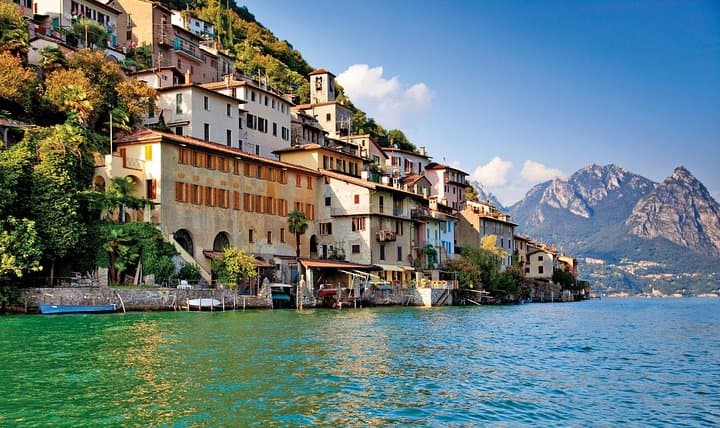
This route is both cultural corridor and geological page. Lake Lugano is a glacial basin carved by ice, hemmed in by steep prealpine slopes; erosion and centuries of terrace farming shaped the hillside into the olive terraces you walk today. Gandria itself began as a fishermen’s hamlet, its 16th-century San Vigilio church and narrow alleys reflecting Ticino’s Italian-speaking heritage and the centuries-long relationship between lake life and mountain agriculture.
Along the way, 18 interpretive panels describe olive botany, oil production and traditional pruning techniques—reminders that this is living landscape, not just a pretty view. You’ll pass stone grotti—informal, family-run eateries where polenta and lake fish anchor the menu—and spot the Museum of Swiss Customs across the water in Cantine di Gandria, a reminder of the borderland commerce that once threaded through these coves.
The walk itself is compact and rewarding: roughly 4 km (2.5 miles) of trail with intermittent stone staircases and about 150 m (500 ft) of cumulative elevation change. Expect narrow singletrack, loose stones and brief climbs; allow 1.5–2 hours for the walking portion, plus time to explore Gandria’s lanes, sit for a snack, and board a mid-afternoon boat back to Lugano. Boats run on a regular timetable but this tour typically returns by lake vessel between 2:00 and 3:00 p.m., so plan your camera stops accordingly.
Practicalities are straightforward but real: comfortable walking shoes with grip, sun protection and a small daypack will make the difference. The path is not wheelchair accessible and is not recommended for people with serious back problems. Public transport to the meeting point is convenient; the guided format means local history and short pauses are built into the pace.
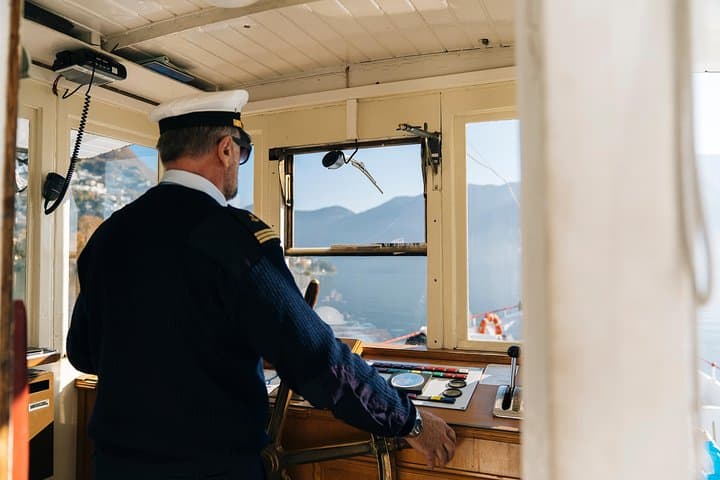
By the time the boat nudges away from Gandria’s quay, the walk has rearranged your sense of scale—steep hills, placid water, olive groves that continue to yield fruit on terraces tended by hands that remember older rhythms. It’s an accessible, sensory slice of Ticino—half cultural history, half lakefront hike—wrapped into a tidy half-day adventure.
moderate.
4–5 hours.
You should have moderate fitness: able to handle 1.5–2 hours of uneven trail walking with short steep sections.
The walking section is approximately 4 km (2.5 miles) and takes about 1.5–2 hours depending on group pace and stops.
Yes—the tour includes a scheduled boat transfer from Gandria back to Lugano in the mid‑afternoon.
Children can join but must be accompanied by an adult; the route involves stone steps and uneven surfaces so assess suitability for young walkers.
No—the path includes stairs and narrow, uneven sections and is not suitable for wheelchairs or strollers.
Guides may be multilingual (Italian and English commonly); the tour listing notes possible multi‑lingual operation.
The tour is weather dependent; in case of cancellation due to poor weather you’ll be offered an alternative date or a full refund.
Gandria developed as a fishermen’s settlement in the late medieval period; the Olive Trail revives centuries-old terraces where olive cultivation persisted despite alpine conditions.
Local associations maintain terraces and olive groves to prevent erosion; visitors are asked to stay on marked paths to protect fragile stone walls and plantings.
Ente Turistico del Luganese operates guided outdoor trips and adventures with an emphasis on safety, stewardship, and memorable experiences.
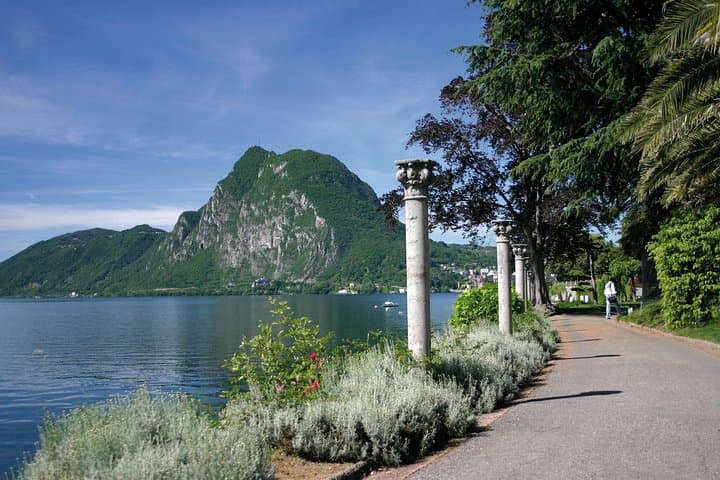
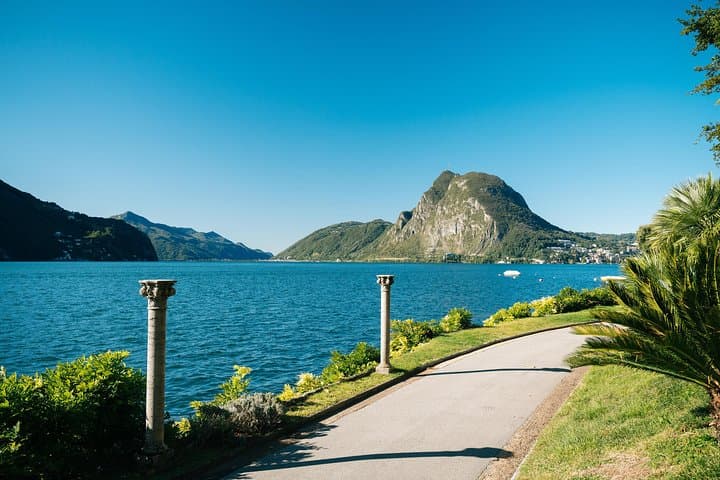
The morning opens over Lake Lugano like a slow exhale. You meet your guide at the tourist office on Via Magatti; a row of ferries punctuates the water, and the city’s park—Parco Ciani—unfurls toward the shore. By 10 a.m. the group slips into the narrow Sentiero dell’Olivo, the Olive Trail that pins Castagnola to Gandria. The path keeps the lake at your feet and the hills at your shoulder, revealing terraces of gnarled olive trees and sun-worn stone steps that feel older than the village you’re heading for.
The morning opens over Lake Lugano like a slow exhale. You meet your guide at the tourist office on Via Magatti; a row of ferries punctuates the water, and the city’s park—Parco Ciani—unfurls toward the shore. By 10 a.m. the group slips into the narrow Sentiero dell’Olivo, the Olive Trail that pins Castagnola to Gandria. The path keeps the lake at your feet and the hills at your shoulder, revealing terraces of gnarled olive trees and sun-worn stone steps that feel older than the village you’re heading for.
This route is both cultural corridor and geological page. Lake Lugano is a glacial basin carved by ice, hemmed in by steep prealpine slopes; erosion and centuries of terrace farming shaped the hillside into the olive terraces you walk today. Gandria itself began as a fishermen’s hamlet, its 16th-century San Vigilio church and narrow alleys reflecting Ticino’s Italian-speaking heritage and the centuries-long relationship between lake life and mountain agriculture.
Along the way, 18 interpretive panels describe olive botany, oil production and traditional pruning techniques—reminders that this is living landscape, not just a pretty view. You’ll pass stone grotti—informal, family-run eateries where polenta and lake fish anchor the menu—and spot the Museum of Swiss Customs across the water in Cantine di Gandria, a reminder of the borderland commerce that once threaded through these coves.
The walk itself is compact and rewarding: roughly 4 km (2.5 miles) of trail with intermittent stone staircases and about 150 m (500 ft) of cumulative elevation change. Expect narrow singletrack, loose stones and brief climbs; allow 1.5–2 hours for the walking portion, plus time to explore Gandria’s lanes, sit for a snack, and board a mid-afternoon boat back to Lugano. Boats run on a regular timetable but this tour typically returns by lake vessel between 2:00 and 3:00 p.m., so plan your camera stops accordingly.
Practicalities are straightforward but real: comfortable walking shoes with grip, sun protection and a small daypack will make the difference. The path is not wheelchair accessible and is not recommended for people with serious back problems. Public transport to the meeting point is convenient; the guided format means local history and short pauses are built into the pace.
By the time the boat nudges away from Gandria’s quay, the walk has rearranged your sense of scale—steep hills, placid water, olive groves that continue to yield fruit on terraces tended by hands that remember older rhythms. It’s an accessible, sensory slice of Ticino—half cultural history, half lakefront hike—wrapped into a tidy half-day adventure.