THE ADVENTURE COLLECTIVE® · Independent discovery and booking for outdoor travel

Walk Old San Juan with a local guide who unpacks two centuries of colonial power, pirate lore, and island life in two hours. Expect cobbles, ocean views, and stories that make the stone walls speak.
Walk Old San Juan with a local guide who unpacks two centuries of colonial power, pirate lore, and island life in two hours. Expect cobbles, ocean views, and stories that make the stone walls speak.
You step off a modern sidewalk and into a city that still walks in the shoes of the 16th century. Sun catches the peeling blue shutters and the salt-sweet wind pushes through the narrow lanes as your guide begins a story that threads Spanish conquistadors, Caribbean trade, and the pirates who tried—and failed—to take it all.
Verified experiences and guided adventures in the surrounding area.
Operated by I Heart PR Tours · San Juan, Puerto Rico
You step off a modern sidewalk and into a city that still walks in the shoes of the 16th century. Sun catches the peeling blue shutters and the salt-sweet wind pushes through the narrow lanes as your guide begins a story that threads Spanish conquistadors, Caribbean trade, and the pirates who tried—and failed—to take it all.
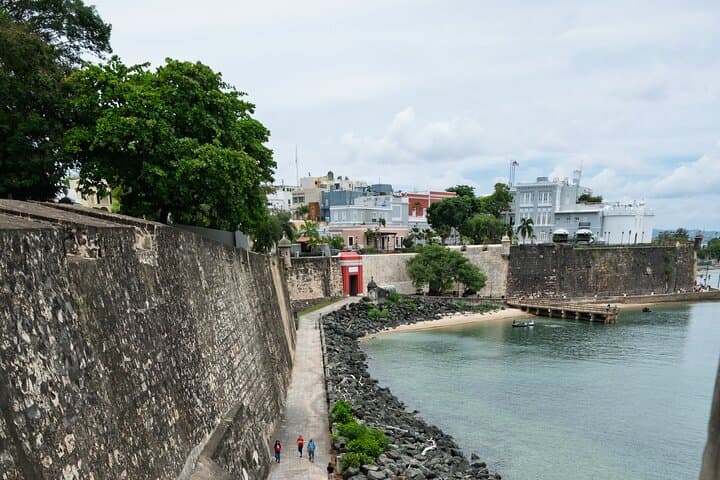
The two-hour loop moves at an easy, deliberate pace: roughly 1.5 miles (2.4 km) of cobbled alleys, plazas, and low ramps. You’ll stand where cannons once watched the Atlantic and listen to why the stone walls were stacked so thick. The forts—Castillo San Felipe del Morro and Castillo San Cristóbal—loom in the narrative even if interior admission isn’t included on this tour; their angled bastions and sun-browned stone are landmarks of colonial military engineering and the island’s strategic role at the crossroads of empire.
Old San Juan’s geology is simple yet honest: volcanic and limestone bedrock that resists the surf, forcing the city to grow upward and inward rather than along the shore. That geology, plus trade and plantation economies, shaped the cultural mix you see now—Spanish baroque churches, African influences in rhythm and cuisine, and local Puerto Rican identity forged through resistance and renewal.
Your guide threads local color through the facts: where to try a proper alcapurria after the tour, the plazas that became political stages, and the artisan shops that keep colonial crafts alive. You’ll pass the governor’s mansion with its open courtyard, the stone parapets that dare the ocean, and a church where centuries of worship and festival life gather in a single courtyard.
Practical notes: wear sturdy shoes—the cobblestones are charming and uneven. Bring a refillable water bottle; the tour provides bottled water but a reusable bottle keeps you hydrated and light. Expect intermittent sun and coastal breezes; a light rain jacket folds small and is useful if showers roll in. Public restrooms are limited in the old quarter, so plan accordingly.
This walk is ideal for history lovers and curious travelers who want context alongside the views. The route keeps groups intimate—max about 20—so questions are welcome. If you want to explore inside El Morro afterward, save time and purchase admission separately. For photographers, aim for morning or late afternoon when the light softens the pastel facades and the sea throws off its brightest blues.
In short: Old San Juan asks you to slow down, to let stone and salt tell their stories. Two hours here feels like a brief excavation—enough to reorient how you see Puerto Rico’s past and to send you back into the streets ready to eat, listen, and look closer.
easy.
2 hours.
Light walking fitness; able to stand for short talks and navigate uneven surfaces.
Most tours meet at a central plaza in Old San Juan—your confirmation will list the exact meeting point, usually within walking distance of public transport.
No; exterior narration and viewpoints of the forts are included, but entry to El Morro or San Cristóbal requires separate admission if you wish to go inside.
The tour is stroller-accessible for short distances, but cobblestones and some stairs can be challenging; contact the operator if you require full accessibility accommodations.
Most departures are conducted in English; some guides may offer Spanish—check availability when booking or request language needs in advance.
Tipping guides is customary—10–20% based on your experience is an appropriate guideline for a two-hour private or small-group tour.
Small snacks are fine, but large backpacks can be cumbersome on narrow streets; leave bulky items at your hotel or carry a light daypack.
Old San Juan grew from 16th-century Spanish colonial planning and became a strategic military port; its forts protected transatlantic shipping lanes and later played roles in regional conflicts.
Preservation of colonial stonework and coastal habitats is ongoing; visitors help by sticking to marked paths, avoiding climbing on historic walls, and minimizing plastic waste.
I Heart PR Tours operates guided outdoor trips and adventures with an emphasis on safety, stewardship, and memorable experiences.
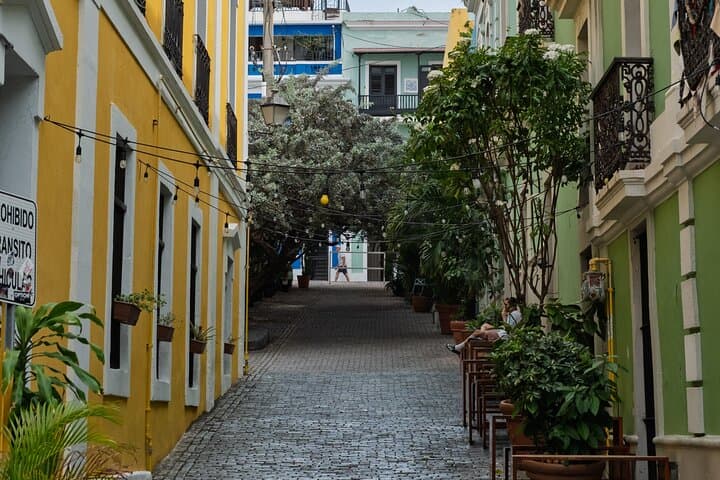
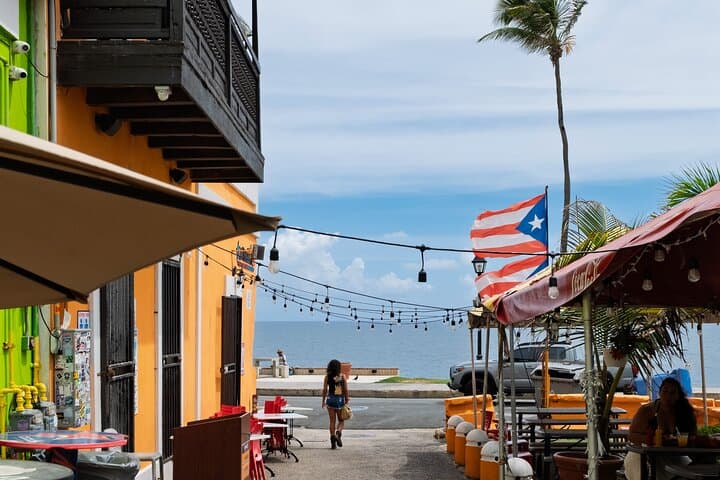
You step off a modern sidewalk and into a city that still walks in the shoes of the 16th century. Sun catches the peeling blue shutters and the salt-sweet wind pushes through the narrow lanes as your guide begins a story that threads Spanish conquistadors, Caribbean trade, and the pirates who tried—and failed—to take it all.
You step off a modern sidewalk and into a city that still walks in the shoes of the 16th century. Sun catches the peeling blue shutters and the salt-sweet wind pushes through the narrow lanes as your guide begins a story that threads Spanish conquistadors, Caribbean trade, and the pirates who tried—and failed—to take it all.
The two-hour loop moves at an easy, deliberate pace: roughly 1.5 miles (2.4 km) of cobbled alleys, plazas, and low ramps. You’ll stand where cannons once watched the Atlantic and listen to why the stone walls were stacked so thick. The forts—Castillo San Felipe del Morro and Castillo San Cristóbal—loom in the narrative even if interior admission isn’t included on this tour; their angled bastions and sun-browned stone are landmarks of colonial military engineering and the island’s strategic role at the crossroads of empire.
Old San Juan’s geology is simple yet honest: volcanic and limestone bedrock that resists the surf, forcing the city to grow upward and inward rather than along the shore. That geology, plus trade and plantation economies, shaped the cultural mix you see now—Spanish baroque churches, African influences in rhythm and cuisine, and local Puerto Rican identity forged through resistance and renewal.
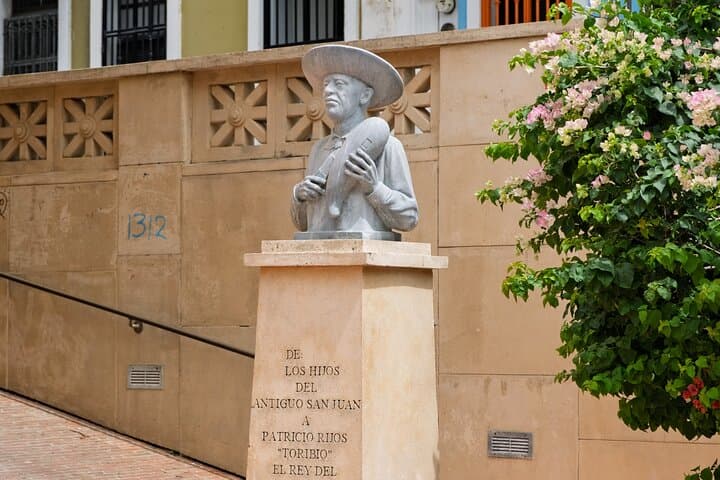
Your guide threads local color through the facts: where to try a proper alcapurria after the tour, the plazas that became political stages, and the artisan shops that keep colonial crafts alive. You’ll pass the governor’s mansion with its open courtyard, the stone parapets that dare the ocean, and a church where centuries of worship and festival life gather in a single courtyard.
Practical notes: wear sturdy shoes—the cobblestones are charming and uneven. Bring a refillable water bottle; the tour provides bottled water but a reusable bottle keeps you hydrated and light. Expect intermittent sun and coastal breezes; a light rain jacket folds small and is useful if showers roll in. Public restrooms are limited in the old quarter, so plan accordingly.
This walk is ideal for history lovers and curious travelers who want context alongside the views. The route keeps groups intimate—max about 20—so questions are welcome. If you want to explore inside El Morro afterward, save time and purchase admission separately. For photographers, aim for morning or late afternoon when the light softens the pastel facades and the sea throws off its brightest blues.
In short: Old San Juan asks you to slow down, to let stone and salt tell their stories. Two hours here feels like a brief excavation—enough to reorient how you see Puerto Rico’s past and to send you back into the streets ready to eat, listen, and look closer.