THE ADVENTURE COLLECTIVE® · Independent discovery and booking for outdoor travel

A four‑day, 35 km offbeat trek from Mandi to Kamrunag and Shikari Devi that blends temple culture, remote forest camping and wildlife-rich lower Himalayan terrain. Expect steep climbs, dome-tent camping and strong views of the Dhauladhar.
A four‑day, 35 km offbeat trek from Mandi to Kamrunag and Shikari Devi that blends temple culture, remote forest camping and wildlife-rich lower Himalayan terrain. Expect steep climbs, dome-tent camping and strong views of the Dhauladhar.
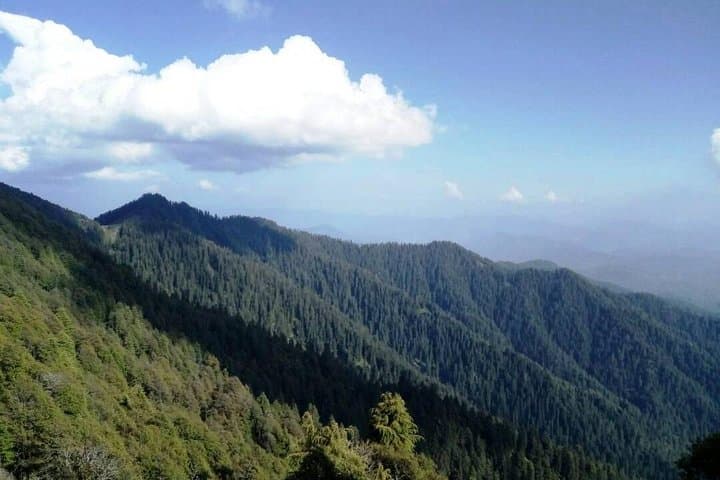
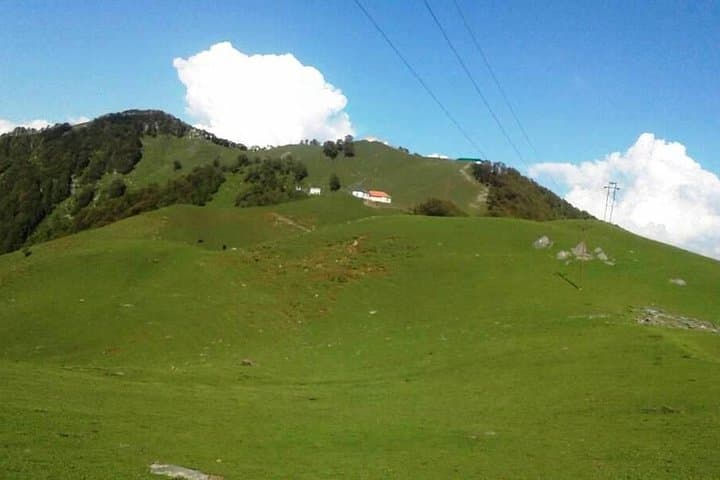
You step off the HRTC bus into the cool, thin air of Mandi and the road immediately begins to climb — a ribbon of tarmac that gives way to a footpath within hours. Trees press close; deodar and oak branches brush your shoulders as the lower Himalaya tests steady feet with a series of stepped climbs. On the second ridge the lake at Kamrunag appears like a dark eye in the forest, its surface dotted with coins and offerings left for an old local vow. The route continues through quiet forest campsites before opening onto the Shikari Devi sanctuary where wind and rock exchange stories of depth and scale.
Verified experiences and guided adventures in the surrounding area.
Operated by Objective India Tours · Mandi, Himachal Pradesh
You step off the HRTC bus into the cool, thin air of Mandi and the road immediately begins to climb — a ribbon of tarmac that gives way to a footpath within hours. Trees press close; deodar and oak branches brush your shoulders as the lower Himalaya tests steady feet with a series of stepped climbs. On the second ridge the lake at Kamrunag appears like a dark eye in the forest, its surface dotted with coins and offerings left for an old local vow. The route continues through quiet forest campsites before opening onto the Shikari Devi sanctuary where wind and rock exchange stories of depth and scale.
This 4‑day, 35‑kilometer itinerary threads cultural shrine sites (Kamrunag and Budha Kedar) with wildlife-rich forest belts that form part of the Western Himalaya’s geological flank of folded sedimentary rock. Local culture is woven into the walk — temples, ritual baths and seasonal pilgrimages remain active here — while the sanctuary protects species adapted to mixed conifer and oak zones.
Expect steep ascents, uneven, sometimes rocky steps and single‑track forest paths with occasional clearings for views of the Dhauladhar. Camping is in dome tents for three nights; basic meals are provided on the trail. Practical prep: carry a lightweight sleeping bag, water purification, sturdy boots and layers for 10–15°C swings between day and night. Start early each morning to avoid afternoon weather shifts, respect temple customs, and use your guide for routefinding and wildlife etiquette — the forest keeps its own timetable and rewards the patient walker.
challenging.
4 days.
Moderate to high cardiovascular fitness; you should be comfortable hiking 8–12 km a day with elevation change.
You should have a moderate to high fitness level—able to hike multiple hours uphill each day carrying a daypack; training with sustained uphill walks beforehand helps.
Yes—dome tents and three nights’ camping accommodation are included; bring your own sleeping bag rated for mountain nights.
The route includes Shikari Devi Wildlife Sanctuary areas; your operator and guide handle local entry procedures and any required fees.
There are seasonal springs but they may be scarce—plan to treat water and carry enough between reliable sources.
Kamrunag is tied to local legend and Mahabharata-era traditions; devotees historically toss coins into the lake at the temple as offerings.
The area is part of a wildlife sanctuary—minimize campfire impact, pack out waste, and follow your guide’s guidance to limit disturbance to sensitive habitats.
Objective India Tours operates guided outdoor trips and adventures with an emphasis on safety, stewardship, and memorable experiences.
You step off the HRTC bus into the cool, thin air of Mandi and the road immediately begins to climb — a ribbon of tarmac that gives way to a footpath within hours. Trees press close; deodar and oak branches brush your shoulders as the lower Himalaya tests steady feet with a series of stepped climbs. On the second ridge the lake at Kamrunag appears like a dark eye in the forest, its surface dotted with coins and offerings left for an old local vow. The route continues through quiet forest campsites before opening onto the Shikari Devi sanctuary where wind and rock exchange stories of depth and scale.
You step off the HRTC bus into the cool, thin air of Mandi and the road immediately begins to climb — a ribbon of tarmac that gives way to a footpath within hours. Trees press close; deodar and oak branches brush your shoulders as the lower Himalaya tests steady feet with a series of stepped climbs. On the second ridge the lake at Kamrunag appears like a dark eye in the forest, its surface dotted with coins and offerings left for an old local vow. The route continues through quiet forest campsites before opening onto the Shikari Devi sanctuary where wind and rock exchange stories of depth and scale.
This 4‑day, 35‑kilometer itinerary threads cultural shrine sites (Kamrunag and Budha Kedar) with wildlife-rich forest belts that form part of the Western Himalaya’s geological flank of folded sedimentary rock. Local culture is woven into the walk — temples, ritual baths and seasonal pilgrimages remain active here — while the sanctuary protects species adapted to mixed conifer and oak zones.
Expect steep ascents, uneven, sometimes rocky steps and single‑track forest paths with occasional clearings for views of the Dhauladhar. Camping is in dome tents for three nights; basic meals are provided on the trail. Practical prep: carry a lightweight sleeping bag, water purification, sturdy boots and layers for 10–15°C swings between day and night. Start early each morning to avoid afternoon weather shifts, respect temple customs, and use your guide for routefinding and wildlife etiquette — the forest keeps its own timetable and rewards the patient walker.