THE ADVENTURE COLLECTIVE® · Independent discovery and booking for outdoor travel

Take the long road around Kibo: the Northern Circuit stretches ten days across rainforest, moorland and scree to Uhuru Peak. This route maximizes acclimatization and panoramic views—ideal if you want higher summit odds and quieter camps.
Take the long road around Kibo: the Northern Circuit stretches ten days across rainforest, moorland and scree to Uhuru Peak. This route maximizes acclimatization and panoramic views—ideal if you want higher summit odds and quieter camps.
You step off the dusty shuttle in Moshi before dawn, the town still rubbing sleep from its eyes. A driver with a sign waits; beyond him the mountain hangs like a rumor—its upper flanks obscured by cloud, its lower slopes already busy with teams packing rucksacks and borrowing gaiters. The first day’s drive to Londorossi Gate feels like a soft exhale: rainforest closes in, chirps crowd the trail and the earth smells of damp moss. The Northern Circuit begins here, but it’s the slow reveal—plateau, scree, crater rim—that defines it.
Verified experiences and guided adventures in the surrounding area.
Operated by Kilimanjaro Heroes Adventures · Moshi, Kilimanjaro Region
You step off the dusty shuttle in Moshi before dawn, the town still rubbing sleep from its eyes. A driver with a sign waits; beyond him the mountain hangs like a rumor—its upper flanks obscured by cloud, its lower slopes already busy with teams packing rucksacks and borrowing gaiters. The first day’s drive to Londorossi Gate feels like a soft exhale: rainforest closes in, chirps crowd the trail and the earth smells of damp moss. The Northern Circuit begins here, but it’s the slow reveal—plateau, scree, crater rim—that defines it.
Historically Kilimanjaro is three volcanoes grown into one: Shira, Mawenzi and Kibo, Kibo hosting the summit caldera. The Northern Circuit follows a long horseshoe around Kibo’s northern slopes, looping farther out than other routes to maximize acclimatization and views. Geology is obvious—the Shira Plateau is an eroded caldera, Lava Tower is volcanic rock at 4,600 m, and the summit sits at 5,895 m where small glaciers still cling to the rim.
Culturally the climb threads through Chagga farmland and timberline forest where local guides and porters—many from Kilimanjaro’s foothills—manage logistics. Their knowledge of the mountain and the “climb high, sleep low” rhythm is the practical backbone of success.
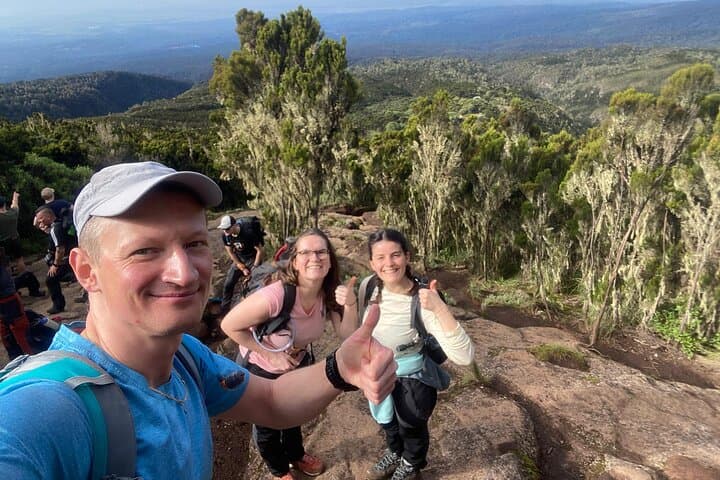
On trail you move through distinct worlds: the humid, green rainforest where blue and colobus monkeys watch you; the moorland of giant groundsels and senecios on Shira Plateau; the arid alpine desert that tests your pace; and the final volcanic scree that dares you to keep moving by headlamp toward Gilman’s Point and Uhuru Peak.
Practical guidance matters here. The Northern Circuit is long—roughly 80–95 km—and the net elevation gain is about 4,000 m from trailhead to summit. Expect full days of hiking (up to 11–15 hours during summit), rocky terrain, and temperature swings from warm lowland mornings to frigid summit nights. Hydration is non-negotiable: plan 3+ litres per day, carried in insulated bottles to prevent freezing on summit night. Train with sustained elevation and packed-load days; focus on uphill endurance and hiking off-trail on scree.
Logistics: most climbers fly into Kilimanjaro International Airport (JRO) and overnight in Moshi. Permits and park fees are required; reputable operators include porters, cooks, and pulse oximeters. Tip customs are established—budget to tip guides and porters at the end. Medical insurance that covers high-altitude evacuation is strongly recommended.
The Northern Circuit rewards patience: more solitude, broader panoramas across the Tanzanian plains, and a higher summit success rate thanks to extra acclimatization. If you want time to read the mountain and let your body match its rhythms, this is the route that hands you that chance.
challenging.
9–10 days.
Should have strong cardiovascular fitness and experience with multi-day hikes; regular stair or hill training with a loaded pack recommended.
It is longer and more remote but deliberately paced—physically demanding due to distance and altitude, yet offers better acclimatization and higher summit success.
Prior high-altitude experience helps, but with proper fitness and a measured approach many first-time climbers succeed on this route.
Dry seasons (late June–October and late December–February) offer more stable conditions; however, shoulder seasons can be quieter.
Permits and park fees are required and typically handled by the operator—confirm they’re included before booking.
AMS is possible at any elevation—your operator should monitor symptoms, use pulse oximeters, and follow turnaround policies; descend immediately if severe symptoms occur.
Expect two-person tents and shared sleeping setups; operators provide meals cooked by camp cooks and basic toilet arrangements including portable chemical toilets.
Kilimanjaro has cultural significance for the Chagga people and was first summited in the late 19th century; its volcanic origins shaped the Shira caldera and Kibo’s summit cone.
Kilimanjaro National Park manages permits and limits; stick to trails, pack out waste where required, and support operators who follow porter welfare and leave-no-trace practices.
Kilimanjaro Heroes Adventures operates guided outdoor trips and adventures with an emphasis on safety, stewardship, and memorable experiences.
You step off the dusty shuttle in Moshi before dawn, the town still rubbing sleep from its eyes. A driver with a sign waits; beyond him the mountain hangs like a rumor—its upper flanks obscured by cloud, its lower slopes already busy with teams packing rucksacks and borrowing gaiters. The first day’s drive to Londorossi Gate feels like a soft exhale: rainforest closes in, chirps crowd the trail and the earth smells of damp moss. The Northern Circuit begins here, but it’s the slow reveal—plateau, scree, crater rim—that defines it.
You step off the dusty shuttle in Moshi before dawn, the town still rubbing sleep from its eyes. A driver with a sign waits; beyond him the mountain hangs like a rumor—its upper flanks obscured by cloud, its lower slopes already busy with teams packing rucksacks and borrowing gaiters. The first day’s drive to Londorossi Gate feels like a soft exhale: rainforest closes in, chirps crowd the trail and the earth smells of damp moss. The Northern Circuit begins here, but it’s the slow reveal—plateau, scree, crater rim—that defines it.
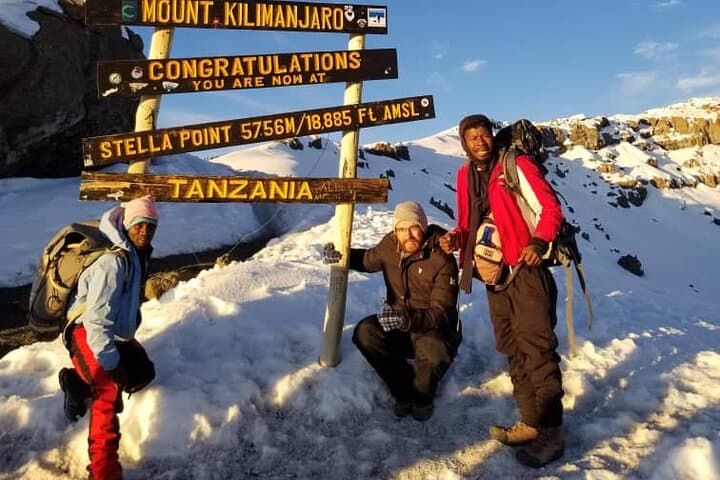
Historically Kilimanjaro is three volcanoes grown into one: Shira, Mawenzi and Kibo, Kibo hosting the summit caldera. The Northern Circuit follows a long horseshoe around Kibo’s northern slopes, looping farther out than other routes to maximize acclimatization and views. Geology is obvious—the Shira Plateau is an eroded caldera, Lava Tower is volcanic rock at 4,600 m, and the summit sits at 5,895 m where small glaciers still cling to the rim.
Culturally the climb threads through Chagga farmland and timberline forest where local guides and porters—many from Kilimanjaro’s foothills—manage logistics. Their knowledge of the mountain and the “climb high, sleep low” rhythm is the practical backbone of success.
On trail you move through distinct worlds: the humid, green rainforest where blue and colobus monkeys watch you; the moorland of giant groundsels and senecios on Shira Plateau; the arid alpine desert that tests your pace; and the final volcanic scree that dares you to keep moving by headlamp toward Gilman’s Point and Uhuru Peak.
Practical guidance matters here. The Northern Circuit is long—roughly 80–95 km—and the net elevation gain is about 4,000 m from trailhead to summit. Expect full days of hiking (up to 11–15 hours during summit), rocky terrain, and temperature swings from warm lowland mornings to frigid summit nights. Hydration is non-negotiable: plan 3+ litres per day, carried in insulated bottles to prevent freezing on summit night. Train with sustained elevation and packed-load days; focus on uphill endurance and hiking off-trail on scree.
Logistics: most climbers fly into Kilimanjaro International Airport (JRO) and overnight in Moshi. Permits and park fees are required; reputable operators include porters, cooks, and pulse oximeters. Tip customs are established—budget to tip guides and porters at the end. Medical insurance that covers high-altitude evacuation is strongly recommended.
The Northern Circuit rewards patience: more solitude, broader panoramas across the Tanzanian plains, and a higher summit success rate thanks to extra acclimatization. If you want time to read the mountain and let your body match its rhythms, this is the route that hands you that chance.