THE ADVENTURE COLLECTIVE® · Independent discovery and booking for outdoor travel

Explore the Bywater and St. Roch neighborhoods on a guided mural walk that stops at a rare Banksy piece and dozens of other public artworks. This two-hour tour blends street art history, local stories, and practical stops—perfect for photographers and curious travelers.
Explore the Bywater and St. Roch neighborhoods on a guided mural walk that stops at a rare Banksy piece and dozens of other public artworks. This two-hour tour blends street art history, local stories, and practical stops—perfect for photographers and curious travelers.
The walk begins before dawn softens into the long New Orleans day: St. Claude Avenue yawns awake, the murals holding their colors like stories waiting to be told. On a cool morning the paint seems to breathe—walls leaning into sunlight, alleys folding in on themselves—and the guide calls the group together outside St. Coffee. From here the city unspools, block by block, through the 9th, 8th, and 7th Wards toward a stretch of unexpected public art that includes one of Banksy’s rare, contested works.
Verified experiences and guided adventures in the surrounding area.
Operated by NOLA Art Walk · New Orleans, Louisiana
The walk begins before dawn softens into the long New Orleans day: St. Claude Avenue yawns awake, the murals holding their colors like stories waiting to be told. On a cool morning the paint seems to breathe—walls leaning into sunlight, alleys folding in on themselves—and the guide calls the group together outside St. Coffee. From here the city unspools, block by block, through the 9th, 8th, and 7th Wards toward a stretch of unexpected public art that includes one of Banksy’s rare, contested works.
This is not just a stroll past spray paint. The tour moves through neighborhoods shaped by the Mississippi’s slow diplomacy: raised houses, shotgun rows, and repaired façades that map flood lines and rebuilding eras. The Bywater and St. Roch districts bear layers of history—Creole and industrial, working-class resilience and recent waves of artists who repurposed warehouses and fences into open-air galleries. St. Roch Market, standing for more than a century, is a practical pause: a place where you can sip cold water, grab a snack, and compare notes on a mosaic by Laurel True or a painstakingly detailed portrait down the block.
Street art here functions as civic conversation. Murals memorialize neighbors, respond to politics, and celebrate musical lineages as much as they decorate. The Banksy piece at the French Quarter’s edge is as much about displacement and attention as it is about anonymity; it invites debate, draws photography, and asks visitors to consider who owns public space.
Practicalities matter. The walk covers roughly 1.5–2 miles on mostly flat pavement with short detours through residential lanes that can be uneven. Expect 2–2.5 hours on the move; rest breaks include an extended stop at St. Roch Market with bathrooms and refreshments. The route is wheelchair and stroller accessible in most areas, and the group size stays small—max 16—helping the guide point out techniques, materials, and artist backstories without feeling like a parade.
Timing is tactical: mornings offer cooler light and softer shadows for photos, while late afternoon gilds brick and mosaic with deeper contrast. Wear grippy shoes for curbs and occasional gravel, bring water (the New Orleans humidity is insistent), and carry a lightweight layer for unpredictable coastal breezes.
Beyond the murals, the walk is a listening post for the city: you’ll hear church bells, streetcars murmuring in the distance, and the Mississippi asserting itself somewhere beyond the neighborhood. For travelers who want context with their photos, this tour delivers—art history, local voices, and practical logistics woven into a compact urban trek that refuses to let the walls stay silent.
easy.
2–2.5 hours.
Suitable for most fitness levels; requires steady walking for a couple hours and occasional short standing periods.
The tour lasts about 2–2.5 hours and covers roughly 1.5–2 miles of mostly flat, urban streets with frequent stops.
Yes—areas on the route are stroller-accessible and the tour is marked as suitable for all fitness levels.
Yes; the route includes one of Banksy’s remaining works in New Orleans and discusses its impact on the community.
There’s a scheduled break at the 149-year-old St. Roch Market, which offers snacks, drinks, and clean restrooms.
Most areas are wheelchair-accessible, but surfaces can vary; contact the tour operator ahead of time for specific accessibility needs.
Tours cancel for severe weather per the operator’s policy; for light rain bring a compact rain jacket—some portions are sheltered but much is outdoors.
The 7th–9th Wards and Bywater grew as maritime and working-class neighborhoods tied to the river; over time artists transformed industrial façades into public canvases that document the city’s social changes.
Local arts groups work to balance preservation and renewal—murals are periodically conserved while community programs negotiate removal of works that affect neighborhoods; visitors are encouraged to respect and not deface public art.
NOLA Art Walk operates guided outdoor trips and adventures with an emphasis on safety, stewardship, and memorable experiences.

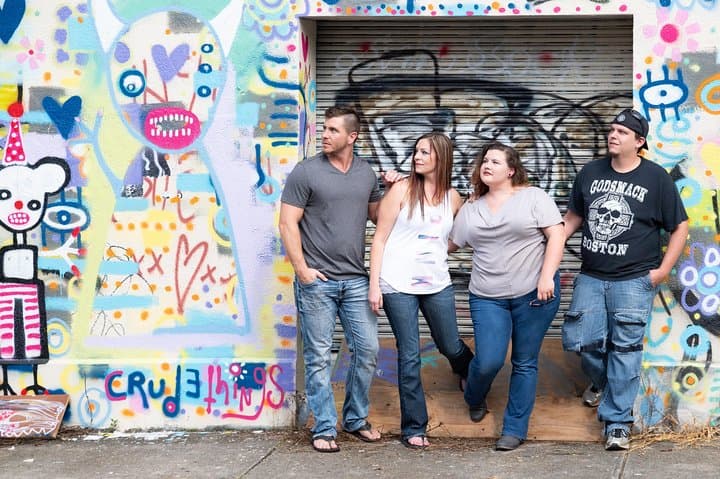
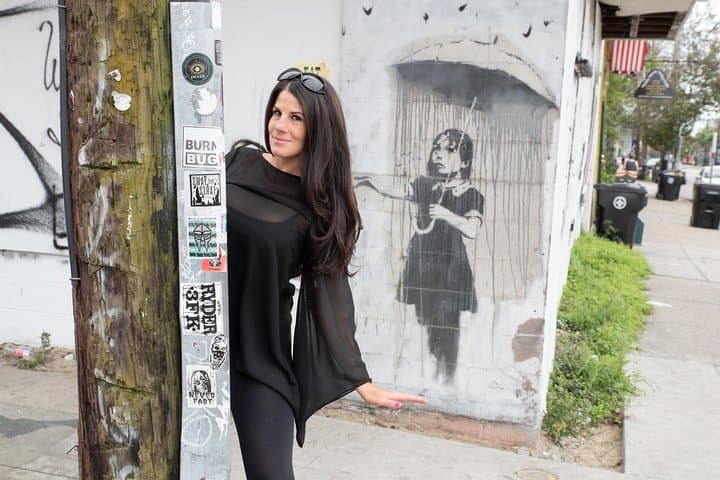
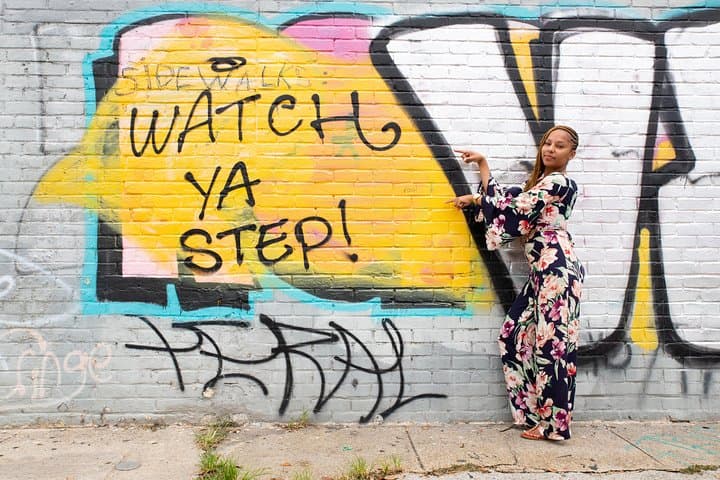
The walk begins before dawn softens into the long New Orleans day: St. Claude Avenue yawns awake, the murals holding their colors like stories waiting to be told. On a cool morning the paint seems to breathe—walls leaning into sunlight, alleys folding in on themselves—and the guide calls the group together outside St. Coffee. From here the city unspools, block by block, through the 9th, 8th, and 7th Wards toward a stretch of unexpected public art that includes one of Banksy’s rare, contested works.
The walk begins before dawn softens into the long New Orleans day: St. Claude Avenue yawns awake, the murals holding their colors like stories waiting to be told. On a cool morning the paint seems to breathe—walls leaning into sunlight, alleys folding in on themselves—and the guide calls the group together outside St. Coffee. From here the city unspools, block by block, through the 9th, 8th, and 7th Wards toward a stretch of unexpected public art that includes one of Banksy’s rare, contested works.
This is not just a stroll past spray paint. The tour moves through neighborhoods shaped by the Mississippi’s slow diplomacy: raised houses, shotgun rows, and repaired façades that map flood lines and rebuilding eras. The Bywater and St. Roch districts bear layers of history—Creole and industrial, working-class resilience and recent waves of artists who repurposed warehouses and fences into open-air galleries. St. Roch Market, standing for more than a century, is a practical pause: a place where you can sip cold water, grab a snack, and compare notes on a mosaic by Laurel True or a painstakingly detailed portrait down the block.
Street art here functions as civic conversation. Murals memorialize neighbors, respond to politics, and celebrate musical lineages as much as they decorate. The Banksy piece at the French Quarter’s edge is as much about displacement and attention as it is about anonymity; it invites debate, draws photography, and asks visitors to consider who owns public space.
Practicalities matter. The walk covers roughly 1.5–2 miles on mostly flat pavement with short detours through residential lanes that can be uneven. Expect 2–2.5 hours on the move; rest breaks include an extended stop at St. Roch Market with bathrooms and refreshments. The route is wheelchair and stroller accessible in most areas, and the group size stays small—max 16—helping the guide point out techniques, materials, and artist backstories without feeling like a parade.
Timing is tactical: mornings offer cooler light and softer shadows for photos, while late afternoon gilds brick and mosaic with deeper contrast. Wear grippy shoes for curbs and occasional gravel, bring water (the New Orleans humidity is insistent), and carry a lightweight layer for unpredictable coastal breezes.
Beyond the murals, the walk is a listening post for the city: you’ll hear church bells, streetcars murmuring in the distance, and the Mississippi asserting itself somewhere beyond the neighborhood. For travelers who want context with their photos, this tour delivers—art history, local voices, and practical logistics woven into a compact urban trek that refuses to let the walls stay silent.