THE ADVENTURE COLLECTIVE® · Independent discovery and booking for outdoor travel

Walk the shadowed streets of New Orleans' French Quarter with an expert guide and explore Voodoo, witchcraft, and infamous hauntings. The two-hour tour blends archival history, neighborhood lore, and an invitation into a working coven's temple for a ritual and group spell.
Walk the shadowed streets of New Orleans' French Quarter with an expert guide and explore Voodoo, witchcraft, and infamous hauntings. The two-hour tour blends archival history, neighborhood lore, and an invitation into a working coven's temple for a ritual and group spell.
The lamp light slants across wet cobblestones and the French Quarter exhales—cicadas long gone, the hum of late-night trams receding into the dark. You gather at Hex: Old World Witchery, a narrow storefront at 1219 Decatur Street, and the guide's voice pulls the neighborhood into focus: a patchwork of colonial law, Caribbean ritual, and a rough-and-ready American supernatural folklore. For two hours you move like a small conspiratorial caravan, stopping at courtyards, mansions, and a hidden temple where a ritual waits.
Verified experiences and guided adventures in the surrounding area.
Operated by New Orleans Spirits & Spells Tours · New Orleans, Louisiana
The lamp light slants across wet cobblestones and the French Quarter exhales—cicadas long gone, the hum of late-night trams receding into the dark. You gather at Hex: Old World Witchery, a narrow storefront at 1219 Decatur Street, and the guide's voice pulls the neighborhood into focus: a patchwork of colonial law, Caribbean ritual, and a rough-and-ready American supernatural folklore. For two hours you move like a small conspiratorial caravan, stopping at courtyards, mansions, and a hidden temple where a ritual waits.
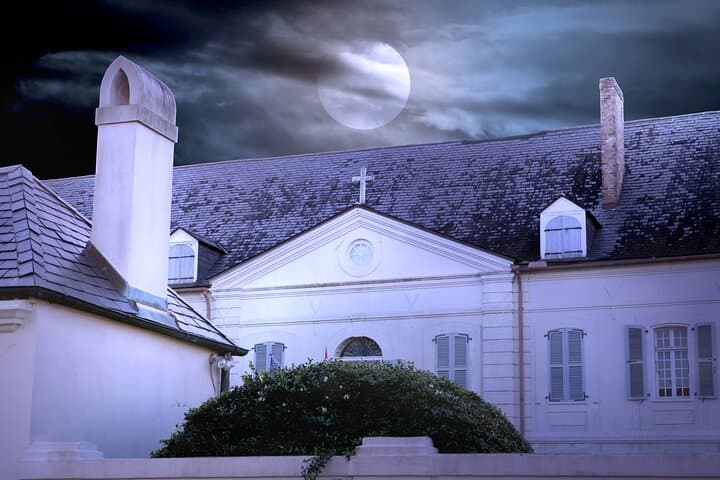
New Orleans' occult history is not fancy legend but the product of trade winds and human migrations: French and Spanish colonial law met West African belief systems and Catholic ritual. The result is a living, syncretic practice—what locals commonly call Voodoo—woven into the city's architecture and its margins. Stonework and ironwork in the Quarter are silent witnesses; beneath them lie stories of enslaved healers, herbalists, midwives, and women like Mary Oneida Toups, whose Coven and theatrics blurred the lines between performance and devotion. At the other end of that spectrum is the LaLaurie Mansion—a real house of cruelty whose facade still arrests passersby with its spare, unreadable stare.
Geology and climate shape the city's mood: a low-lying delta plain that keeps the levees and the dead in close conversation. The city's mausoleums—above-ground because of the water table—create narrow streets of marble and shadow that foster both practicality and superstition. That spatial intimacy is what makes a walking tour here so immediate: ghosts and histories feel only a few steps away.
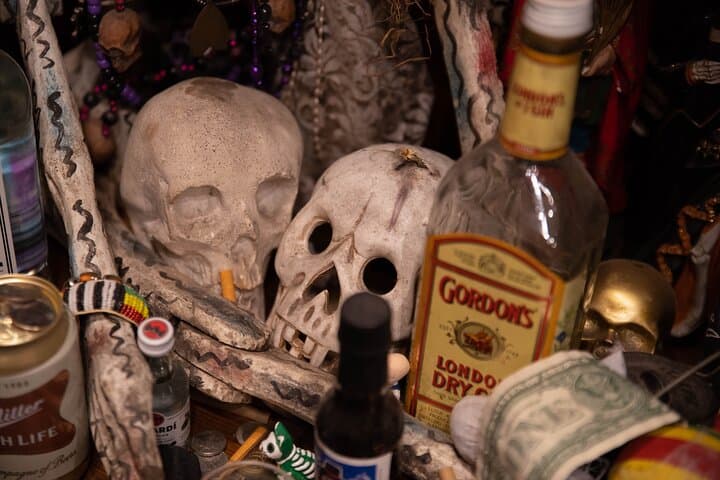
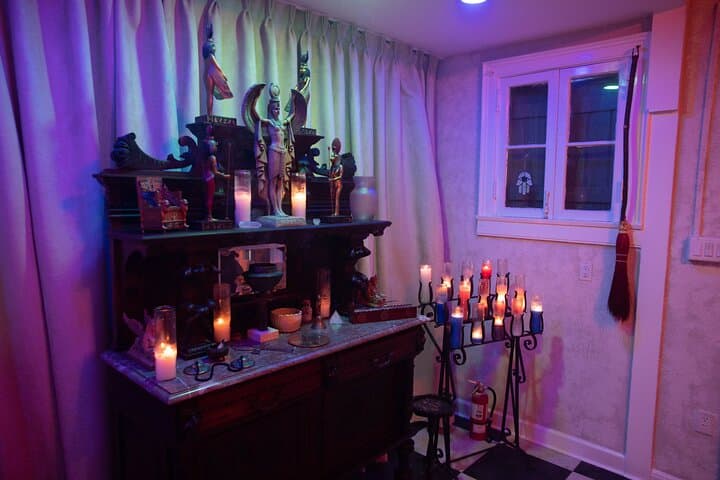
Practically, the tour is paced for people who prefer stories to mileage. Expect two hours of mostly flat pavement with frequent stops; the route ends back at Hex in a cramped, brick-walled courtyard where you'll be invited into an authentic witch coven's temple to participate in a group ritual and cast a spell. Guides mix primary sources, court records, and oral history to separate sensationalism from the real cultural currents that shaped the city's occult life.
Tips for planning: take the 4pm or evening slot if you want the layered lighting and cooler air; wear closed shoes for uneven sidewalks and bring a small bottle of water. Respect the religious components—photography may be restricted inside private ritual spaces—and remember that many sites on the tour are active businesses or memorials. For an efficient, evocative introduction to New Orleans' darker histories, this tour delivers context, color, and a clear-eyed look at why myth and memory walk the Quarter together.
easy.
2 hours.
Suitable for most fitness levels; expect standing and short walks on flat urban pavement
Yes—Hex and the tour route are described as wheelchair accessible, but contact the operator ahead to discuss specific needs.
The tour is not suitable for children under 13 due to mature themes and intense historical accounts.
Yes—the tour includes exclusive access to a coven temple where guests may take part in a group ritual and cast a spell; participation is optional.
Full refunds are available if you cancel at least 24 hours before departure; cancellations inside that window are non-refundable.
Admissions to paid sites are generally not included; the guide stops outside many attractions and offers context without separate entrance fees.
Tours are conducted in English; check with the operator about private or language-specific options.
New Orleans' occult practices grew from the convergence of French colonial law, Catholic rituals, and West African spiritual systems brought by enslaved people; these traditions adapted to urban life and legal constraints.
Respect for sacred sites and burial grounds is critical—avoid climbing on tombs, do not remove offerings, and follow local guidelines to minimize impact.
New Orleans Spirits & Spells Tours operates guided outdoor trips and adventures with an emphasis on safety, stewardship, and memorable experiences.
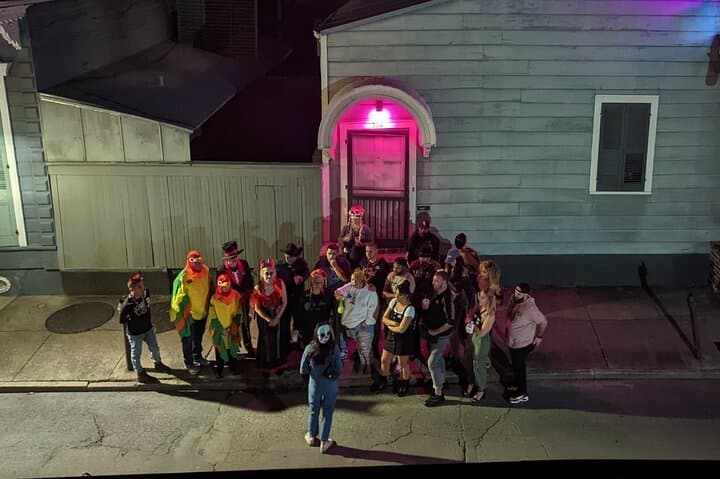
The lamp light slants across wet cobblestones and the French Quarter exhales—cicadas long gone, the hum of late-night trams receding into the dark. You gather at Hex: Old World Witchery, a narrow storefront at 1219 Decatur Street, and the guide's voice pulls the neighborhood into focus: a patchwork of colonial law, Caribbean ritual, and a rough-and-ready American supernatural folklore. For two hours you move like a small conspiratorial caravan, stopping at courtyards, mansions, and a hidden temple where a ritual waits.
The lamp light slants across wet cobblestones and the French Quarter exhales—cicadas long gone, the hum of late-night trams receding into the dark. You gather at Hex: Old World Witchery, a narrow storefront at 1219 Decatur Street, and the guide's voice pulls the neighborhood into focus: a patchwork of colonial law, Caribbean ritual, and a rough-and-ready American supernatural folklore. For two hours you move like a small conspiratorial caravan, stopping at courtyards, mansions, and a hidden temple where a ritual waits.
New Orleans' occult history is not fancy legend but the product of trade winds and human migrations: French and Spanish colonial law met West African belief systems and Catholic ritual. The result is a living, syncretic practice—what locals commonly call Voodoo—woven into the city's architecture and its margins. Stonework and ironwork in the Quarter are silent witnesses; beneath them lie stories of enslaved healers, herbalists, midwives, and women like Mary Oneida Toups, whose Coven and theatrics blurred the lines between performance and devotion. At the other end of that spectrum is the LaLaurie Mansion—a real house of cruelty whose facade still arrests passersby with its spare, unreadable stare.
Geology and climate shape the city's mood: a low-lying delta plain that keeps the levees and the dead in close conversation. The city's mausoleums—above-ground because of the water table—create narrow streets of marble and shadow that foster both practicality and superstition. That spatial intimacy is what makes a walking tour here so immediate: ghosts and histories feel only a few steps away.
Practically, the tour is paced for people who prefer stories to mileage. Expect two hours of mostly flat pavement with frequent stops; the route ends back at Hex in a cramped, brick-walled courtyard where you'll be invited into an authentic witch coven's temple to participate in a group ritual and cast a spell. Guides mix primary sources, court records, and oral history to separate sensationalism from the real cultural currents that shaped the city's occult life.
Tips for planning: take the 4pm or evening slot if you want the layered lighting and cooler air; wear closed shoes for uneven sidewalks and bring a small bottle of water. Respect the religious components—photography may be restricted inside private ritual spaces—and remember that many sites on the tour are active businesses or memorials. For an efficient, evocative introduction to New Orleans' darker histories, this tour delivers context, color, and a clear-eyed look at why myth and memory walk the Quarter together.