THE ADVENTURE COLLECTIVE® · Independent discovery and booking for outdoor travel

A six- to eight-hour private tour that pairs Naples’ iconic panoramas—Piazza del Plebiscito, Castel Sant'Elmo, Posillipo and the seafront—with 3–4 hours of volcanic thermal bathing at Terme di Baia. A blend of urban history, coastal geology, and restorative hot pools.
A six- to eight-hour private tour that pairs Naples’ iconic panoramas—Piazza del Plebiscito, Castel Sant'Elmo, Posillipo and the seafront—with 3–4 hours of volcanic thermal bathing at Terme di Baia. A blend of urban history, coastal geology, and restorative hot pools.
You step off an air-conditioned van and the first thing the city hands you is a view: the Gulf of Naples, a wide ribbon of blue that tilts toward Vesuvius like a city under a watchful volcano. The guide gestures toward the three islands—Capri, Ischia, Procida—glittering at the horizon as if pinned to a postcard. For the next six to eight hours the day moves from the palazzo-lined heart of Naples up through volcanic stone and leafy promenades, then out to hot springs where the sea seems to steam with ancient heat.
Verified experiences and guided adventures in the surrounding area.
Operated by AmalfiTourCampania · Naples, Campania
You step off an air-conditioned van and the first thing the city hands you is a view: the Gulf of Naples, a wide ribbon of blue that tilts toward Vesuvius like a city under a watchful volcano. The guide gestures toward the three islands—Capri, Ischia, Procida—glittering at the horizon as if pinned to a postcard. For the next six to eight hours the day moves from the palazzo-lined heart of Naples up through volcanic stone and leafy promenades, then out to hot springs where the sea seems to steam with ancient heat.
The route reads like a condensed lesson in southern Italy. Piazza del Plebiscito and the Royal Palace frame Naples’s public life; Galleria Umberto I and Teatro San Carlo show its 18th–19th century flourish. The tour climbs to Castel Sant'Elmo on Vomero hill, a fortress grafted from Neapolitan yellow tuff that has watched the city’s comings and goings since medieval times. From there, Posillipo’s cliff roads reveal Roman ruins half-hidden in gardens, and the seafront of Via Partenope unfurls as a slow-motion opera of fishermen, cafés, and boulevards.
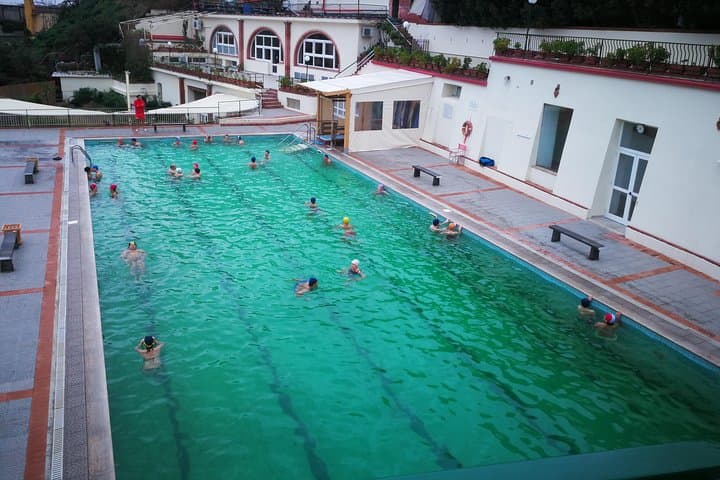
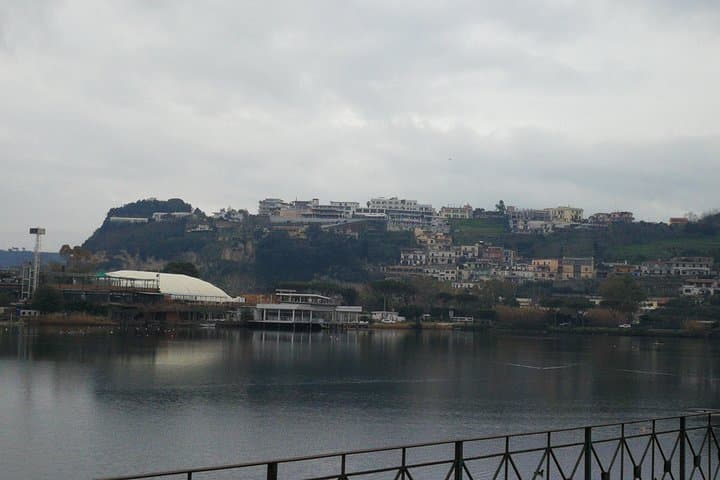
Geology is never far away. The bay is a volcanic theater: Vesuvius cuts the skyline, the Campi Flegrei rumble to the west, and the thermal waters at Baia are warm because heat still channels through subterranean fractures. That heat has drawn Romans, medieval bathers, and modern spa-goers; Terme di Baia continues that thread with outdoor hot pools, natural mud treatments, saunas, whirlpools, and steam rooms fed by volcanic waters.
Culturally the rhythm of Naples—intense, musical, and pragmatic—shifts from crowded markets to quiet belvederes. Your guide curates these contrasts: the politics of piazzas, the architecture of Bourbon rule, the street-level craft of espresso and sfogliatella.
Practical notes: the full experience runs about 6–8 hours and includes transport, bottled water, and onboard Wi‑Fi. Expect walking on uneven cobbles and a climb to Sant'Elmo (about 250 m elevation). Bring swimwear for a 3–4 hour spa session at Terme di Baia; lockers and towel service may be available but check ahead.
Timing matters—mornings are cooler for walking and light, afternoons are better for the spa when the pools catch the late sun. If you have heart or circulation issues, consult a physician before thermal treatments; thermal waters are healing for many but intense for some.
This is a day designed to juxtapose Naples’ civic pulse with the earth’s slow heat—a practical, sensory route that leaves you clean, soothed, and with a new map of the city in your head.
easy.
6–8 hours.
Light to moderate walking ability; must be comfortable on cobblestones and short climbs.
The tour runs approximately 6–8 hours (360–480 minutes), including 3–4 hours at Terme di Baia.
Yes—air‑conditioned vehicle transport with onboard Wi‑Fi is included, along with bottled water.
The tour highlights sites and provides commentary; admissions to paid museum interiors may not be included—confirm at booking.
Yes—infants can ride in strollers and infant seats are available, but thermal pools may be too hot for very young children.
Not recommended for travelers with serious cardiovascular conditions; consult your physician before booking thermal treatments.
Towel and locker availability varies at Terme di Baia—check with the supplier, but bringing your own towel is wise.
Naples developed as a major Mediterranean port long before Roman times; its layers of Greek, Roman, Bourbon and modern influences are visible in plazas, palaces and coastal ruins.
Terme di Baia sits over a volcanic area—visitors should follow spa rules to limit chemical loading of pools and respect protected coastal sites to reduce erosion and littering.
AmalfiTourCampania operates guided outdoor trips and adventures with an emphasis on safety, stewardship, and memorable experiences.
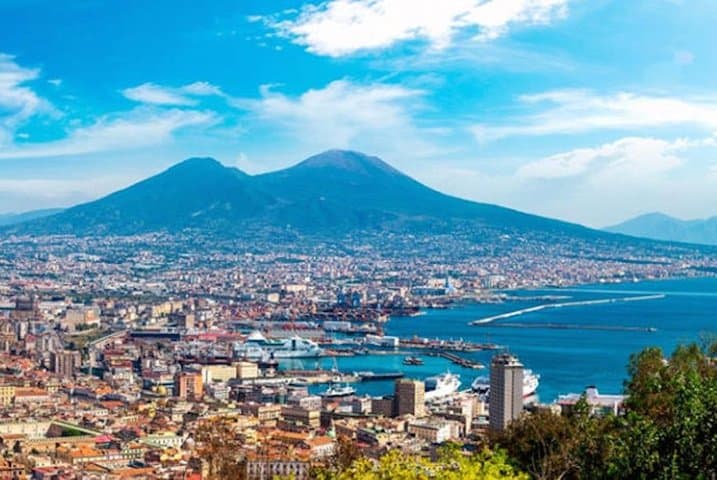

You step off an air-conditioned van and the first thing the city hands you is a view: the Gulf of Naples, a wide ribbon of blue that tilts toward Vesuvius like a city under a watchful volcano. The guide gestures toward the three islands—Capri, Ischia, Procida—glittering at the horizon as if pinned to a postcard. For the next six to eight hours the day moves from the palazzo-lined heart of Naples up through volcanic stone and leafy promenades, then out to hot springs where the sea seems to steam with ancient heat.
You step off an air-conditioned van and the first thing the city hands you is a view: the Gulf of Naples, a wide ribbon of blue that tilts toward Vesuvius like a city under a watchful volcano. The guide gestures toward the three islands—Capri, Ischia, Procida—glittering at the horizon as if pinned to a postcard. For the next six to eight hours the day moves from the palazzo-lined heart of Naples up through volcanic stone and leafy promenades, then out to hot springs where the sea seems to steam with ancient heat.
The route reads like a condensed lesson in southern Italy. Piazza del Plebiscito and the Royal Palace frame Naples’s public life; Galleria Umberto I and Teatro San Carlo show its 18th–19th century flourish. The tour climbs to Castel Sant'Elmo on Vomero hill, a fortress grafted from Neapolitan yellow tuff that has watched the city’s comings and goings since medieval times. From there, Posillipo’s cliff roads reveal Roman ruins half-hidden in gardens, and the seafront of Via Partenope unfurls as a slow-motion opera of fishermen, cafés, and boulevards.
Geology is never far away. The bay is a volcanic theater: Vesuvius cuts the skyline, the Campi Flegrei rumble to the west, and the thermal waters at Baia are warm because heat still channels through subterranean fractures. That heat has drawn Romans, medieval bathers, and modern spa-goers; Terme di Baia continues that thread with outdoor hot pools, natural mud treatments, saunas, whirlpools, and steam rooms fed by volcanic waters.
Culturally the rhythm of Naples—intense, musical, and pragmatic—shifts from crowded markets to quiet belvederes. Your guide curates these contrasts: the politics of piazzas, the architecture of Bourbon rule, the street-level craft of espresso and sfogliatella.
Practical notes: the full experience runs about 6–8 hours and includes transport, bottled water, and onboard Wi‑Fi. Expect walking on uneven cobbles and a climb to Sant'Elmo (about 250 m elevation). Bring swimwear for a 3–4 hour spa session at Terme di Baia; lockers and towel service may be available but check ahead.
Timing matters—mornings are cooler for walking and light, afternoons are better for the spa when the pools catch the late sun. If you have heart or circulation issues, consult a physician before thermal treatments; thermal waters are healing for many but intense for some.
This is a day designed to juxtapose Naples’ civic pulse with the earth’s slow heat—a practical, sensory route that leaves you clean, soothed, and with a new map of the city in your head.