THE ADVENTURE COLLECTIVE® · Independent discovery and booking for outdoor travel

Interactive galleries, projection-mapped exhibits and backstage tech bring Broadway’s century of shows to life. Plan 1–2 hours and book ahead to avoid crowds.
Interactive galleries, projection-mapped exhibits and backstage tech bring Broadway’s century of shows to life. Plan 1–2 hours and book ahead to avoid crowds.
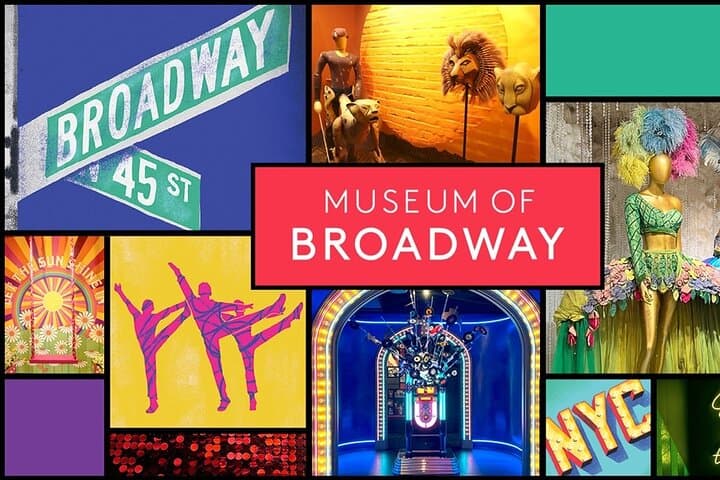
You step off 45th Street and the city’s theatrical heartbeat shifts gear: lights reflect off polished floors, soundscapes swell and projection-mapped stages pull you forward. The Museum of Broadway occupies a slice of Midtown where the past and present of New York theatre meet in bright, interactive displays that ask you to listen, watch and try on roles.
Verified experiences and guided adventures in the surrounding area.
Operated by Broadway Inbound · New York, New York
You step off 45th Street and the city’s theatrical heartbeat shifts gear: lights reflect off polished floors, soundscapes swell and projection-mapped stages pull you forward. The Museum of Broadway occupies a slice of Midtown where the past and present of New York theatre meet in bright, interactive displays that ask you to listen, watch and try on roles.
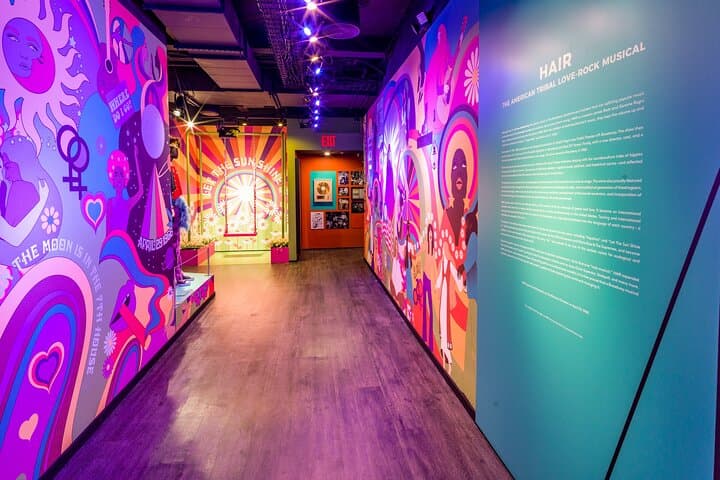
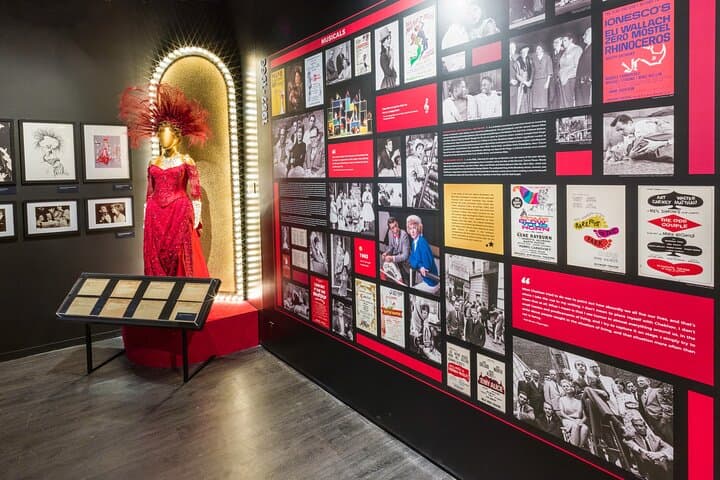
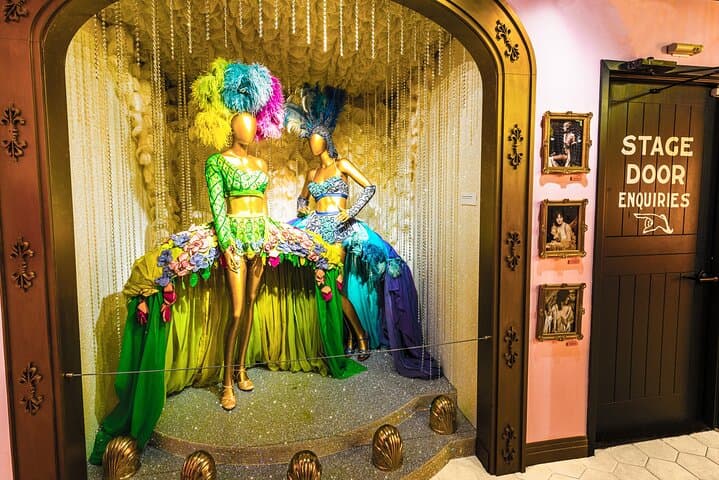
The story here is civic as much as cultural. Broadway’s modern route was paved by immigrant performers, entrepreneurial producers and families like the Shuberts, and the museum lays out that timeline with costumes, playbills and audiovisual backdrops. Geology matters too: Manhattan’s hard schist allowed tall theatres and dense blocks, concentrating audiences and making the theatre district what it is today. Expect rooms focused on technical labor — stagecraft, lighting, costume shops — alongside galleries on landmark shows and community impact.
Culturally it’s a hands-on primer for both first-time theatre-goers and lifetime fans. Interactive stations explain lighting cues and casting; projection experiences compress decades of history into minutes. Local insights include scattered caricatures at nearby restaurants and small alleyways like Shubert Alley that still hum with industry energy.
Practical guidance: visits run about 60–120 minutes; buy digital tickets in advance to secure preferred times. The museum is accessible and family-friendly (children under 4 enter free). Peak times are midday and early evening—arrive early to avoid school groups. Leave space in your evening for a nearby off-Broadway show or a quick meal in the Hell’s Kitchen restaurants one avenue west.
easy.
1–2 hours.
Suitable for all fitness levels; mostly indoor walking and standing between exhibits
Plan 60–120 minutes; allow more time if you want to fully engage with interactive exhibits.
Yes—buy digital/mobile tickets ahead to reserve an entry time; tickets are sent by email prior to the visit.
The museum is wheelchair accessible and suitable for visitors of all physical fitness levels; check with staff for specific accommodations.
Children are welcome; children 4 and under may enter free. Check ticketing for age-based pricing if applicable.
Broadway evolved from 19th-century New York entertainment districts and grew as theatre families and producers concentrated venues in Midtown; the museum chronicles that professional and social history.
The museum emphasizes cultural preservation and reduced-print materials; visitors are encouraged to use digital tickets and minimize single-use plastics while in the district.
Broadway Inbound operates guided outdoor trips and adventures with an emphasis on safety, stewardship, and memorable experiences.
You step off 45th Street and the city’s theatrical heartbeat shifts gear: lights reflect off polished floors, soundscapes swell and projection-mapped stages pull you forward. The Museum of Broadway occupies a slice of Midtown where the past and present of New York theatre meet in bright, interactive displays that ask you to listen, watch and try on roles.
You step off 45th Street and the city’s theatrical heartbeat shifts gear: lights reflect off polished floors, soundscapes swell and projection-mapped stages pull you forward. The Museum of Broadway occupies a slice of Midtown where the past and present of New York theatre meet in bright, interactive displays that ask you to listen, watch and try on roles.
The story here is civic as much as cultural. Broadway’s modern route was paved by immigrant performers, entrepreneurial producers and families like the Shuberts, and the museum lays out that timeline with costumes, playbills and audiovisual backdrops. Geology matters too: Manhattan’s hard schist allowed tall theatres and dense blocks, concentrating audiences and making the theatre district what it is today. Expect rooms focused on technical labor — stagecraft, lighting, costume shops — alongside galleries on landmark shows and community impact.
Culturally it’s a hands-on primer for both first-time theatre-goers and lifetime fans. Interactive stations explain lighting cues and casting; projection experiences compress decades of history into minutes. Local insights include scattered caricatures at nearby restaurants and small alleyways like Shubert Alley that still hum with industry energy.
Practical guidance: visits run about 60–120 minutes; buy digital tickets in advance to secure preferred times. The museum is accessible and family-friendly (children under 4 enter free). Peak times are midday and early evening—arrive early to avoid school groups. Leave space in your evening for a nearby off-Broadway show or a quick meal in the Hell’s Kitchen restaurants one avenue west.