THE ADVENTURE COLLECTIVE® · Independent discovery and booking for outdoor travel

Leave Kochi before sunrise for a day that trades urban humidity for crisp hill air. This private Munnar excursion covers Top Station, the Lockhart Tea Factory museum, Mattupetty Dam and Echo Point — all in a long but rewarding 10–12 hour loop.
Leave Kochi before sunrise for a day that trades urban humidity for crisp hill air. This private Munnar excursion covers Top Station, the Lockhart Tea Factory museum, Mattupetty Dam and Echo Point — all in a long but rewarding 10–12 hour loop.
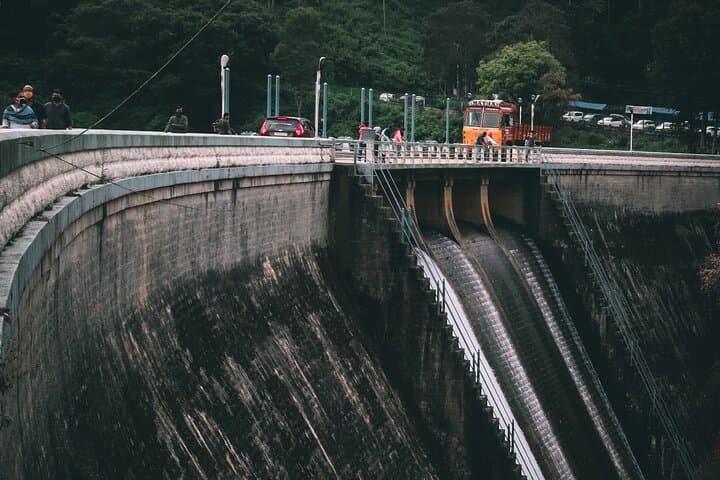
Before dawn the highway out of Kochi unspools into mist and muted streetlights, and the car climbs into a different climate: cooler, wetter, and scored by terraces of tea. By midmorning the Western Ghats have taken over the view — a series of rounded ridges that push clouds into the valleys — and the day becomes a succession of long looks: a wintry lake glass at Kundala, the clean geometry of Matupetty Dam, and the dizzying panorama from Top Station at roughly 1,700 meters.
Verified experiences and guided adventures in the surrounding area.
Operated by Holidays Forever India · Munnar, Kerala
Before dawn the highway out of Kochi unspools into mist and muted streetlights, and the car climbs into a different climate: cooler, wetter, and scored by terraces of tea. By midmorning the Western Ghats have taken over the view — a series of rounded ridges that push clouds into the valleys — and the day becomes a succession of long looks: a wintry lake glass at Kundala, the clean geometry of Matupetty Dam, and the dizzying panorama from Top Station at roughly 1,700 meters.
The route itself is a story of geology and labour. Munnar occupies a high plateau carved by ancient rivers and scalloped by laterite and shale; the region’s weathered slopes are ideal for the Camellia sinensis bushes planted from the 19th century onward. The Lockhart Tea Factory — part museum, part working estate built in the 1930s — offers a quick primer on the industry that shaped local life: irrigation channels, withies, and the steady sorting of leaves that supplied colonial and domestic markets alike. At Echo Point the valley plays along, throwing your voice back as if to remind you that these peaks still respond.
Culture here is practical and tea-flavored; small towns around Munnar grew up to service plantations and hydropower projects. Matupetty Dam, beyond its scenic value, is part of the region’s 20th-century electrification and irrigation network. Local guides will point out Anamudi, the highest peak in southern India, and explain how monsoon patterns make this a green season machine: water for power, tea, and the forests that support rare birds and small mammals.
Practicalities shape the day. The drive from Kochi is roughly 130 km and typically takes 4–5 hours each way on winding roads — plan on a total outing of 10–12 hours. The tour usually starts very early to maximize time in Munnar; expect short walks at viewpoints, a guided stop at the Tea Museum (tickets often purchased on arrival), and optional boating or speed-boat rides at Matupetty for an extra fee. Weather is changeable: dawn can be cool and wet, midday pleasantly warm, and late afternoons foggy.
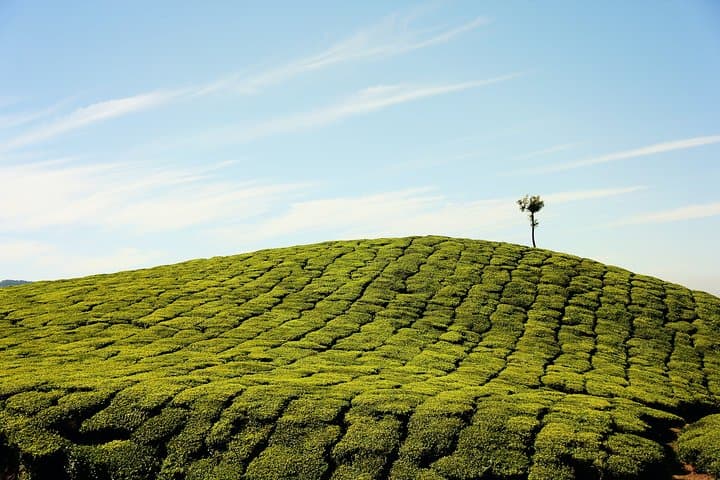
Pack layers, a small daypack, and footwear suitable for short uneven walks. Bring a reusable water bottle, sunscreen, and insect repellent. If you want clear sky photos, aim for the first light at Top Station; for softer portraits of tea slopes, diffuse mid-morning works well. Since this is a private tour in an air-conditioned vehicle, it’s well-suited to travelers who prefer an organized day with flexibility — but remember the road time: Munnar is lofty because it’s remote, and that remoteness is the price of its views.
easy.
10–12 hours.
Minimal fitness required — mostly vehicle travel with brief walks and standing at viewpoints; comfortable mobility for short uneven paths recommended.
The drive is about 130 km and typically takes 4–5 hours depending on traffic and road conditions; expect a full-day outing of 10–12 hours including stops.
Meals are not listed as included — plan to bring snacks or buy lunch in Munnar at local restaurants during the stopovers.
Yes — the Lockhart Tea Factory operates as both a working facility and a museum; guided tours and tea tastings are usually available for a small fee.
Infants are allowed but must sit on an adult’s lap as noted in the booking details; car seats are typically not provided.
Standard admission to Matupetty Dam is included in the visit, but boating, especially speed boating, is an optional activity and usually costs extra.
The tour provides an English-speaking driver (local expert); if you need another language, confirm availability at booking.
Munnar’s modern landscape was largely shaped by British-era tea plantations beginning in the late 19th century, with estates and factories like Lockhart central to the region’s economy.
The Western Ghats are a UNESCO World Heritage site with ongoing conservation efforts; stick to marked areas, avoid single-use plastics, and respect estate boundaries to limit impact.
Holidays Forever India operates guided outdoor trips and adventures with an emphasis on safety, stewardship, and memorable experiences.
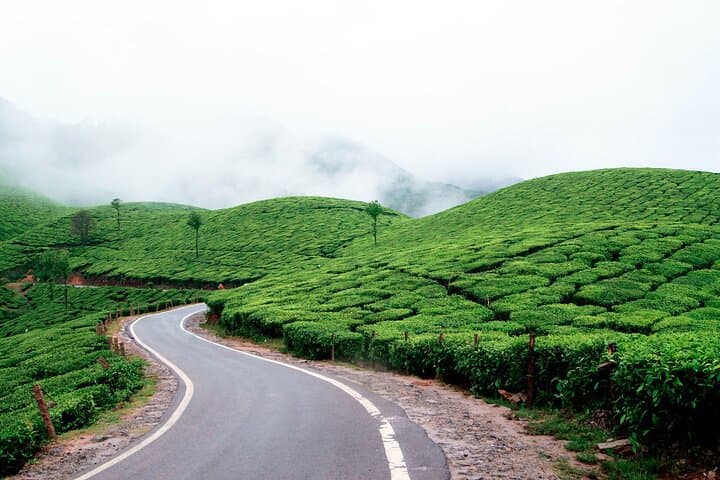
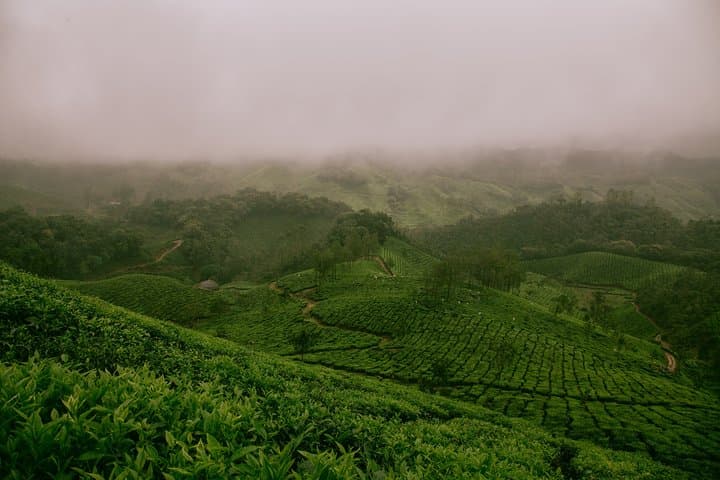
Before dawn the highway out of Kochi unspools into mist and muted streetlights, and the car climbs into a different climate: cooler, wetter, and scored by terraces of tea. By midmorning the Western Ghats have taken over the view — a series of rounded ridges that push clouds into the valleys — and the day becomes a succession of long looks: a wintry lake glass at Kundala, the clean geometry of Matupetty Dam, and the dizzying panorama from Top Station at roughly 1,700 meters.
Before dawn the highway out of Kochi unspools into mist and muted streetlights, and the car climbs into a different climate: cooler, wetter, and scored by terraces of tea. By midmorning the Western Ghats have taken over the view — a series of rounded ridges that push clouds into the valleys — and the day becomes a succession of long looks: a wintry lake glass at Kundala, the clean geometry of Matupetty Dam, and the dizzying panorama from Top Station at roughly 1,700 meters.
The route itself is a story of geology and labour. Munnar occupies a high plateau carved by ancient rivers and scalloped by laterite and shale; the region’s weathered slopes are ideal for the Camellia sinensis bushes planted from the 19th century onward. The Lockhart Tea Factory — part museum, part working estate built in the 1930s — offers a quick primer on the industry that shaped local life: irrigation channels, withies, and the steady sorting of leaves that supplied colonial and domestic markets alike. At Echo Point the valley plays along, throwing your voice back as if to remind you that these peaks still respond.
Culture here is practical and tea-flavored; small towns around Munnar grew up to service plantations and hydropower projects. Matupetty Dam, beyond its scenic value, is part of the region’s 20th-century electrification and irrigation network. Local guides will point out Anamudi, the highest peak in southern India, and explain how monsoon patterns make this a green season machine: water for power, tea, and the forests that support rare birds and small mammals.
Practicalities shape the day. The drive from Kochi is roughly 130 km and typically takes 4–5 hours each way on winding roads — plan on a total outing of 10–12 hours. The tour usually starts very early to maximize time in Munnar; expect short walks at viewpoints, a guided stop at the Tea Museum (tickets often purchased on arrival), and optional boating or speed-boat rides at Matupetty for an extra fee. Weather is changeable: dawn can be cool and wet, midday pleasantly warm, and late afternoons foggy.
Pack layers, a small daypack, and footwear suitable for short uneven walks. Bring a reusable water bottle, sunscreen, and insect repellent. If you want clear sky photos, aim for the first light at Top Station; for softer portraits of tea slopes, diffuse mid-morning works well. Since this is a private tour in an air-conditioned vehicle, it’s well-suited to travelers who prefer an organized day with flexibility — but remember the road time: Munnar is lofty because it’s remote, and that remoteness is the price of its views.