THE ADVENTURE COLLECTIVE® · Independent discovery and booking for outdoor travel

Pedal, glide and hike between four of the Columbia River Gorge’s most dramatic waterfalls on a private e‑bike tour. This 2‑hour route blends assisted climbs, short hikes, and iconic viewpoints like Multnomah and Ponytail Falls.
Pedal, glide and hike between four of the Columbia River Gorge’s most dramatic waterfalls on a private e‑bike tour. This 2‑hour route blends assisted climbs, short hikes, and iconic viewpoints like Multnomah and Ponytail Falls.
You roll out from a green barn onto a road that climbs into the Columbia River Gorge, the mist of the next waterfall already audible long before you see it. The e-bike hums beneath you, a quiet partner that buffers steep grades while leaving your lungs and legs engaged. Ancient basalt cliffs watch from above; the forest leans close, dropping needles and the sharp scent of Douglas fir into the air.
Verified experiences and guided adventures in the surrounding area.
Operated by E-Bike Multnomah Falls · Bridal Veil, Oregon
You roll out from a green barn onto a road that climbs into the Columbia River Gorge, the mist of the next waterfall already audible long before you see it. The e-bike hums beneath you, a quiet partner that buffers steep grades while leaving your lungs and legs engaged. Ancient basalt cliffs watch from above; the forest leans close, dropping needles and the sharp scent of Douglas fir into the air.
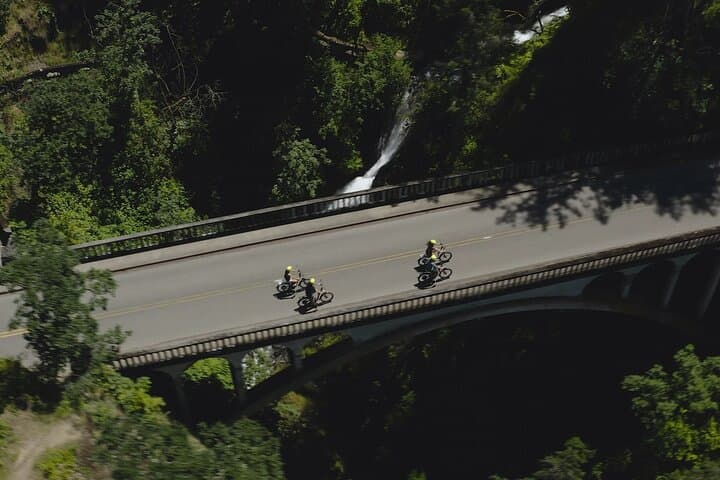
This self-guided private ride stitches together four of Oregon’s tallest falls — Multnomah and Ponytail among them — over roughly 8–12 miles of paved road and short gravel sections. The Gorge is a product of catastrophic flood and slow lava flows: columnar basalt and volcanic breccia tilt and fracture here, guiding streams into dramatic drops. Native Chinook and Cascades tribes knew these waterways as travel corridors long before the Benson and Columbia River Highway carved its switchbacks in the early 20th century. Today the road carries cyclists under concrete viaducts and past historic viewpoints built to frame the falls.
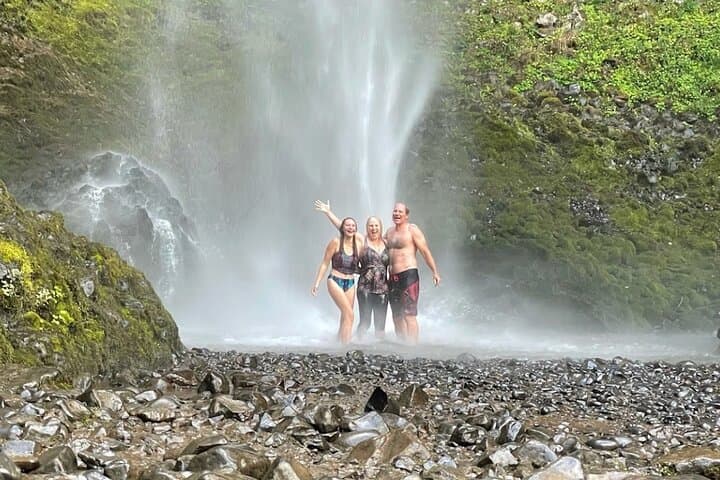
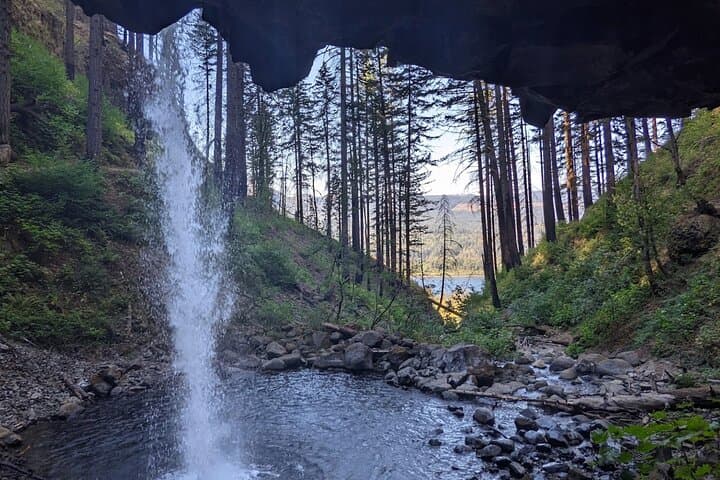
Water here is insistent. It gnaws at rock, widens gorges, and dares you to get closer. At Ponytail Falls you can walk behind the sheet of water; Multnomah’s upper tier is a stair-stepped reveal with a paved promenade and the iconic lodge-café at its base. Oneonta Gorge, accessible only on longer itineraries, still hides a narrow, wading slot where moss and light trade places.
Practical edge: the tour runs around two hours; e-bikes are legal for riders 16 and up. Expect short stops for 20–30 minute walks at key falls, plus some stairs and compacted dirt approaches. Elevation gain is moderate — plan on several short climbs of a few hundred feet, made easier by the motorized assist. Bring footwear that can handle slick rocks if you plan to approach stream edges.
Timing matters. Midday draws crowds at Multnomah; early morning or late afternoon softens light and leaves more space on the trails. Weather in the Gorge can flip: layers, rain shell, and a small pump or patch kit are wise. Guides recommend arriving 20 minutes early to sign waivers and get fitted; the operator includes entry to Multnomah Falls.
This is a ride that balances motion and pause — you’ll spend minutes at speed and then stop to listen as water unpacks itself into the canyon. It’s accessible yet wild enough to feel like an escape from the city, a short ride from Portland into a place where rock and river still argue with dramatic results.
moderate.
2 hours.
Suitable for riders comfortable on a bike for 8–12 miles with short hikes and stair climbs; e-bike assist reduces required effort.
No—basic bike handling is sufficient. Guides will fit and brief you; the motor assists climbs but you should be comfortable braking and shifting.
Riders must be at least 16 years old per Oregon law for e‑bike operation; younger children can join in other ways if the operator offers options.
Entry to Multnomah Falls is included in the tour; confirm with the operator for any other site fees.
Oneonta Gorge’s main entrance is often closed; some longer tours provide legal access—contact the operator for details and conditions.
Tours can be canceled for poor weather; check the operator’s 24‑hour cancellation policy and dress in layers for changing conditions.
Some pools and wading holes exist, but currents and cold water make swimming risky—use caution and follow guide recommendations.
The Columbia River Highway and its viaducts were an early 20th‑century engineering push to open the Gorge to auto and pedestrian tourism; many viewpoints were built as part of that effort.
High visitation stresses native vegetation and stream health; stay on trails, pack out waste, and avoid stepping on fragile moss and fern communities.
E-Bike Multnomah Falls operates guided outdoor trips and adventures with an emphasis on safety, stewardship, and memorable experiences.
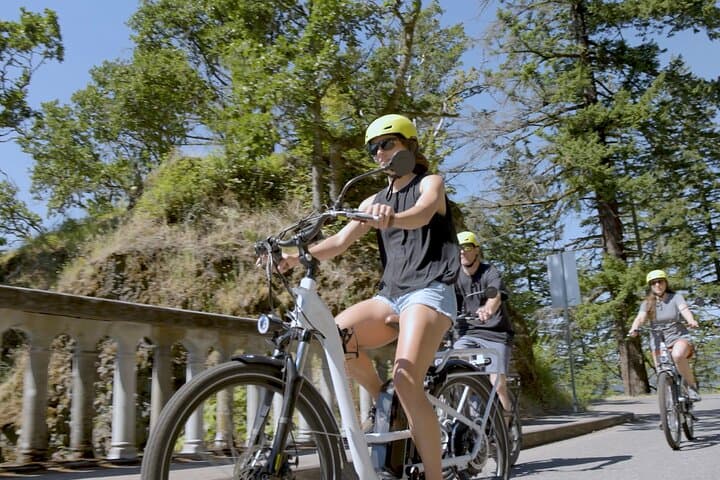
You roll out from a green barn onto a road that climbs into the Columbia River Gorge, the mist of the next waterfall already audible long before you see it. The e-bike hums beneath you, a quiet partner that buffers steep grades while leaving your lungs and legs engaged. Ancient basalt cliffs watch from above; the forest leans close, dropping needles and the sharp scent of Douglas fir into the air.
You roll out from a green barn onto a road that climbs into the Columbia River Gorge, the mist of the next waterfall already audible long before you see it. The e-bike hums beneath you, a quiet partner that buffers steep grades while leaving your lungs and legs engaged. Ancient basalt cliffs watch from above; the forest leans close, dropping needles and the sharp scent of Douglas fir into the air.
This self-guided private ride stitches together four of Oregon’s tallest falls — Multnomah and Ponytail among them — over roughly 8–12 miles of paved road and short gravel sections. The Gorge is a product of catastrophic flood and slow lava flows: columnar basalt and volcanic breccia tilt and fracture here, guiding streams into dramatic drops. Native Chinook and Cascades tribes knew these waterways as travel corridors long before the Benson and Columbia River Highway carved its switchbacks in the early 20th century. Today the road carries cyclists under concrete viaducts and past historic viewpoints built to frame the falls.
Water here is insistent. It gnaws at rock, widens gorges, and dares you to get closer. At Ponytail Falls you can walk behind the sheet of water; Multnomah’s upper tier is a stair-stepped reveal with a paved promenade and the iconic lodge-café at its base. Oneonta Gorge, accessible only on longer itineraries, still hides a narrow, wading slot where moss and light trade places.
Practical edge: the tour runs around two hours; e-bikes are legal for riders 16 and up. Expect short stops for 20–30 minute walks at key falls, plus some stairs and compacted dirt approaches. Elevation gain is moderate — plan on several short climbs of a few hundred feet, made easier by the motorized assist. Bring footwear that can handle slick rocks if you plan to approach stream edges.
Timing matters. Midday draws crowds at Multnomah; early morning or late afternoon softens light and leaves more space on the trails. Weather in the Gorge can flip: layers, rain shell, and a small pump or patch kit are wise. Guides recommend arriving 20 minutes early to sign waivers and get fitted; the operator includes entry to Multnomah Falls.
This is a ride that balances motion and pause — you’ll spend minutes at speed and then stop to listen as water unpacks itself into the canyon. It’s accessible yet wild enough to feel like an escape from the city, a short ride from Portland into a place where rock and river still argue with dramatic results.