THE ADVENTURE COLLECTIVE® · Independent discovery and booking for outdoor travel

A compact, two-day loop from Nairobi that pairs a crater rim hike on Mt Longonot with cycling through Hell’s Gate’s gorges and geothermal scenery. Expect dramatic geology, lake wildlife, and an overnight in Naivasha.
A compact, two-day loop from Nairobi that pairs a crater rim hike on Mt Longonot with cycling through Hell’s Gate’s gorges and geothermal scenery. Expect dramatic geology, lake wildlife, and an overnight in Naivasha.
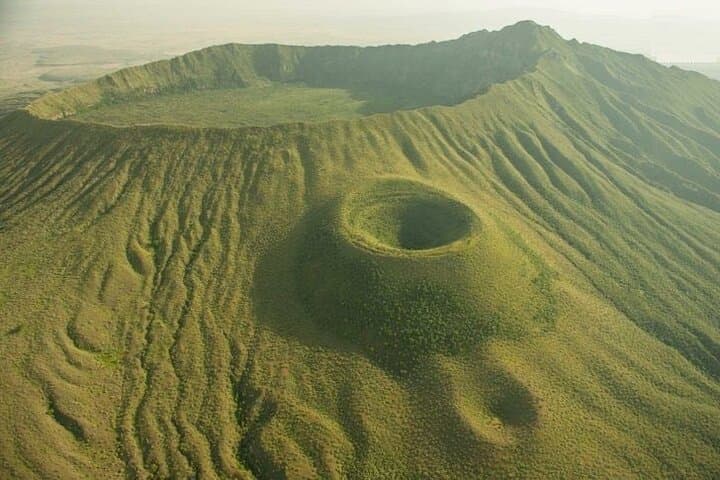
You step out of the car before dawn and the Rift Valley opens like a raw wound in the earth — a broad floor of acacia-scrub and shimmering lake, cliffs cutting the horizon. A chill from the higher plateaus nips at your neck while the summit of Mt Longonot catches the first thin light. The trail up the volcano is immediate: loose scoria, a steady pitch and a rim that rolls away into a perfect crater you can walk into and around.
Verified experiences and guided adventures in the surrounding area.
Operated by Zazu Safari Ventures · Naivasha, Nakuru County
You step out of the car before dawn and the Rift Valley opens like a raw wound in the earth — a broad floor of acacia-scrub and shimmering lake, cliffs cutting the horizon. A chill from the higher plateaus nips at your neck while the summit of Mt Longonot catches the first thin light. The trail up the volcano is immediate: loose scoria, a steady pitch and a rim that rolls away into a perfect crater you can walk into and around.
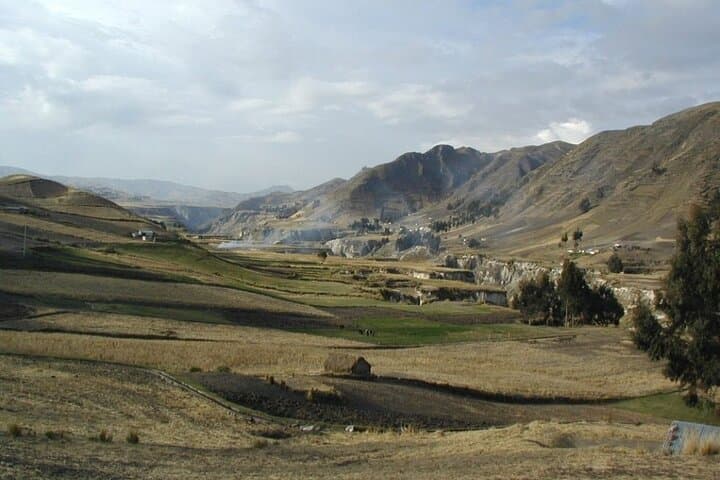
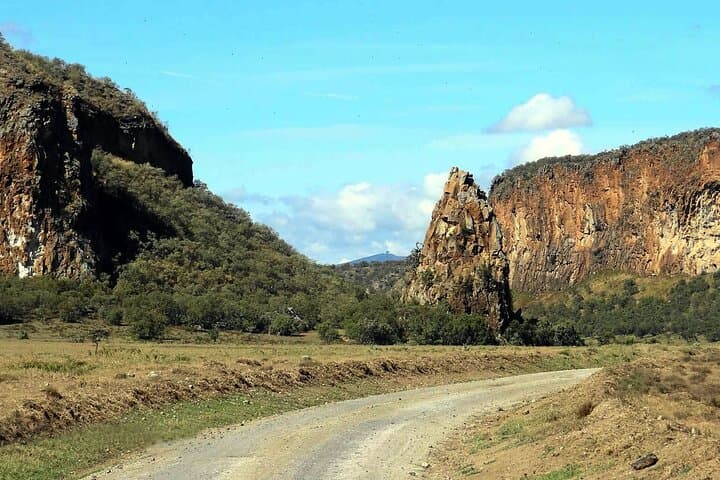
Mt Longonot and Hell’s Gate sit on the floor of the Great Rift Valley, a scar of tectonic forces that continues to pull east and west apart. Longonot itself is a stratovolcano whose crater — roughly 8 km around — offers a compact, panoramic lesson in recent volcanism. Down the road, Hell’s Gate displays the valley’s sculpted extremes: water-carved gorges, towering cliffs and geothermal vents that steam like a body exhaling heat.
Culture threads through the landscape. Naivasha’s shoreline has long supported fishing communities and small-scale flower farms, and Maasai and Kikuyu herders have used the surrounding grasslands for generations. On this 48-hour loop you get a taste of that human footprint: a private guide who explains farming and water politics over roadside tea, a boat ride on Lake Naivasha watching African fish eagles quarter the surface, and a night at a country hotel where dinner is simple and filling.
Practical edge: the Longonot hike is compact but sustained — expect roughly 8 km round-trip with around 400–500 m of elevation gain; plan 3–4 hours for the ascent and descent at a steady pace. Trail surfaces are volcanic scree and exposed sections where trekking poles help. Hell’s Gate is much gentler and built for bikes: a two-hour guided pedal among cliffs and geothermal fissures, with short portages if you choose to scramble into a gorge. Entrance fees and private guides for both parks are included in this itinerary, as is transport from Nairobi and an overnight stay in Naivasha.
Timing and logistics matter: leave Nairobi early to beat heat and mid-morning crowds. Hydrate before you start and carry at least 1–2 liters for the Longonot circuit; sun protection is essential — the plateau offers little shade. Footwear with good grip and ankle support will save you on the scree. If you’re sensitive to altitude, note Mt Longonot tops out near 2,776 m; take the pace slow and listen to your body.
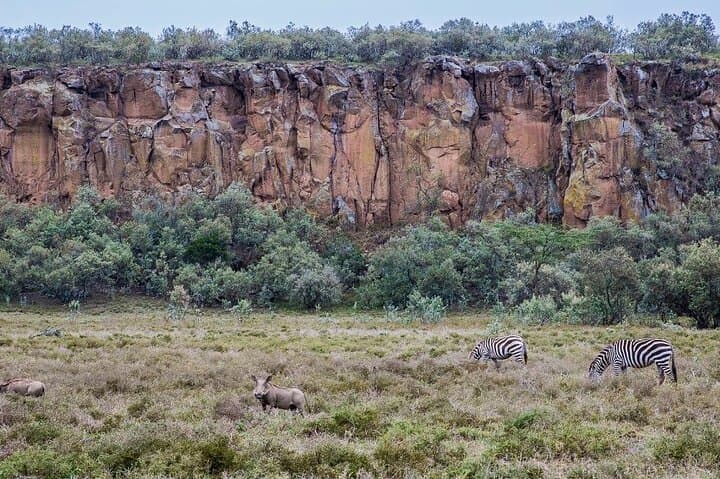
This two-day loop is both geological theatre and active wildlife viewing: flamingos and pelicans on Lake Naivasha, dik-dik on scrubby slopes, and the close-up drama of geothermal vents at Hell’s Gate. It’s an accessible mini-expedition — short, intense and rooted in the raw mechanics of the Rift Valley — ideal for travelers who want to move through dramatic landscapes without sacrificing comfort or context.
moderate.
2 days (overnight).
Should be comfortable with 3–4 hours of continuous uphill hiking and able to ride a bike for 2 hours on mixed surfaces
It’s a steady, moderate hike with loose volcanic scree and roughly 400–500 m of elevation gain; most fit walkers complete the loop in 3–4 hours.
Yes — the itinerary includes entrance fees for both Mt Longonot and Hell’s Gate as well as private guides listed in the package details.
Yes — Lake Naivasha hosts many birds including African fish eagles, and you may spot small mammals like dik-dik and vervet monkeys in the parks.
Yes — the Hell’s Gate ride is beginner-friendly on relatively flat valley trails, though basic bike handling helps on gravel sections.
The stay at Villa Grazia or a similar Naivasha hotel is comfortable and simple—private rooms, dinner and breakfast provided as per the itinerary.
Children can join but the hike and bike requirements make it better suited to older, active children; infants are required to sit on an adult’s lap during transport.
The Rift Valley around Naivasha was shaped by tectonic rifting and more recent volcanic activity; local communities have farmed and fished these fertile lowlands for generations.
Both parks are managed to balance tourism and conservation; stick to trails, avoid feeding wildlife and support local guides to minimize your footprint.
Zazu Safari Ventures operates guided outdoor trips and adventures with an emphasis on safety, stewardship, and memorable experiences.
You step out of the car before dawn and the Rift Valley opens like a raw wound in the earth — a broad floor of acacia-scrub and shimmering lake, cliffs cutting the horizon. A chill from the higher plateaus nips at your neck while the summit of Mt Longonot catches the first thin light. The trail up the volcano is immediate: loose scoria, a steady pitch and a rim that rolls away into a perfect crater you can walk into and around.
You step out of the car before dawn and the Rift Valley opens like a raw wound in the earth — a broad floor of acacia-scrub and shimmering lake, cliffs cutting the horizon. A chill from the higher plateaus nips at your neck while the summit of Mt Longonot catches the first thin light. The trail up the volcano is immediate: loose scoria, a steady pitch and a rim that rolls away into a perfect crater you can walk into and around.
Mt Longonot and Hell’s Gate sit on the floor of the Great Rift Valley, a scar of tectonic forces that continues to pull east and west apart. Longonot itself is a stratovolcano whose crater — roughly 8 km around — offers a compact, panoramic lesson in recent volcanism. Down the road, Hell’s Gate displays the valley’s sculpted extremes: water-carved gorges, towering cliffs and geothermal vents that steam like a body exhaling heat.
Culture threads through the landscape. Naivasha’s shoreline has long supported fishing communities and small-scale flower farms, and Maasai and Kikuyu herders have used the surrounding grasslands for generations. On this 48-hour loop you get a taste of that human footprint: a private guide who explains farming and water politics over roadside tea, a boat ride on Lake Naivasha watching African fish eagles quarter the surface, and a night at a country hotel where dinner is simple and filling.
Practical edge: the Longonot hike is compact but sustained — expect roughly 8 km round-trip with around 400–500 m of elevation gain; plan 3–4 hours for the ascent and descent at a steady pace. Trail surfaces are volcanic scree and exposed sections where trekking poles help. Hell’s Gate is much gentler and built for bikes: a two-hour guided pedal among cliffs and geothermal fissures, with short portages if you choose to scramble into a gorge. Entrance fees and private guides for both parks are included in this itinerary, as is transport from Nairobi and an overnight stay in Naivasha.
Timing and logistics matter: leave Nairobi early to beat heat and mid-morning crowds. Hydrate before you start and carry at least 1–2 liters for the Longonot circuit; sun protection is essential — the plateau offers little shade. Footwear with good grip and ankle support will save you on the scree. If you’re sensitive to altitude, note Mt Longonot tops out near 2,776 m; take the pace slow and listen to your body.
This two-day loop is both geological theatre and active wildlife viewing: flamingos and pelicans on Lake Naivasha, dik-dik on scrubby slopes, and the close-up drama of geothermal vents at Hell’s Gate. It’s an accessible mini-expedition — short, intense and rooted in the raw mechanics of the Rift Valley — ideal for travelers who want to move through dramatic landscapes without sacrificing comfort or context.