THE ADVENTURE COLLECTIVE® · Independent discovery and booking for outdoor travel

A private full-day from Tokyo that pairs Mount Fuji’s iconic profile with the volcanic spectacle of Hakone. Choose three Fuji-area stops, ride the Hakone Ropeway, cruise Lake Ashi, then return to Tokyo by Shinkansen.
A private full-day from Tokyo that pairs Mount Fuji’s iconic profile with the volcanic spectacle of Hakone. Choose three Fuji-area stops, ride the Hakone Ropeway, cruise Lake Ashi, then return to Tokyo by Shinkansen.
You step into the van before dawn, Tokyo still folding its lights away, and the driver eases out onto the westbound highway. The city loosens, rice paddies and low hills edge in, and then—if the weather is willing—Mount Fuji appears: a deliberate, white-capped ruler at the horizon that seems to approve or refuse your plans with the weather.
Verified experiences and guided adventures in the surrounding area.
Operated by Xplor Japan · Hakone, Kanagawa
You step into the van before dawn, Tokyo still folding its lights away, and the driver eases out onto the westbound highway. The city loosens, rice paddies and low hills edge in, and then—if the weather is willing—Mount Fuji appears: a deliberate, white-capped ruler at the horizon that seems to approve or refuse your plans with the weather.
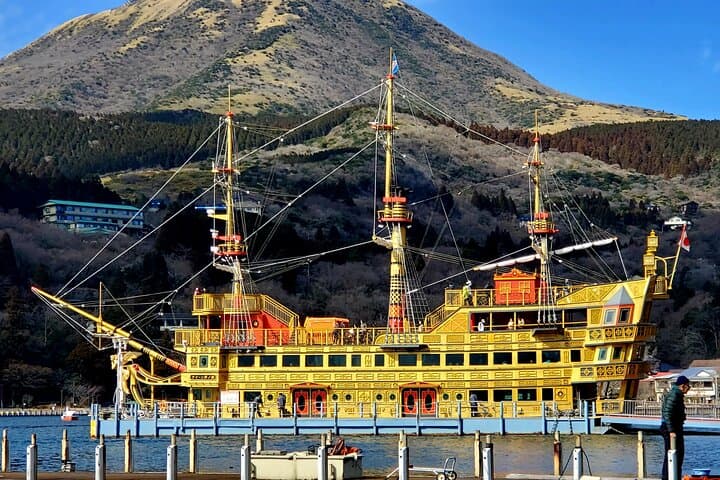
This private day tour threads together Fuji's quiet sides and Hakone's restless geology. Choose three Fuji-area stops—Chureito Pagoda’s tiered frame, the shrine at Kitaguchi-hongu Fuji Sengen, the spring-fed Oshino Hakkai ponds, or the glass-smooth surfaces of Kawaguchiko and Yamanakako—and your guide paces the day to give each place time to breathe. Later the Hakone Ropeway lifts you over steaming vents toward Owakudani, and a short cruise on Lake Ashi lets the torii at Hakone Shrine stand like a painted punctuation against the water and the mountain.
Geology here is literal: Fuji’s cone, 3,776 meters tall, is the latest in a string of volcanic activity that shaped valleys, lakes and the sulfur-smelling hot springs of Hakone. Culturally, Fuji has been a focus of worship and art for centuries—pilgrims climbed, poets wrote, and the Tokaido road once funneled travelers through Hakone’s post towns. Modern tourism has added bullet trains and ropeways, but the core gestures of view, reverence and hot spring remain unchanged.
Practical edge: the tour is roughly 10 hours from Tokyo pickup, including transit and lunch. You’ll be driven between sites in an air-conditioned private vehicle; the day ends with drop-off at Odawara Station for your Shinkansen return to Tokyo—note the guide does not accompany you on the bullet train. Mobility needs are modest: expect short, mostly paved walks and some steps. Weather dictates visibility—Fuji can hide behind a cloud cap even on otherwise clear days—so mornings often give the best chance for wide views.
Plan like a local. Reserve a window seat on the Shinkansen if you want reflection-time to review photos. Bring layered clothing for the ropeway and lakeshore wind, and keep cash for small shrine offerings or onsen day-use fees. If you crave a quieter viewpoint, ask the guide to swap a busy stop for an off-the-beaten-track shore or museum—this private format makes that swap easy.
In short, the tour moves with purpose: it shows you Fuji’s face and Hakone’s heat, gives you space for a slow cup of tea, and then returns you to urban fast tracks aboard the bullet train. It’s a compact introduction to two landscapes that refuse to play small.
easy.
10 hours.
Suitable for travelers who can manage short walks and steps; no long hikes required.
The tour runs about 10 hours from scheduled pickup and includes transfers, lunch time and site visits.
The tour ends with drop-off at Odawara Station; you are responsible for purchasing and boarding the Shinkansen back to Tokyo.
Yes — you choose up to three Fuji-area sites when booking; the private format makes on-the-day adjustments easier if time allows.
Admission is not typically included; the ropeway ticket cost at Owakudani may be paid on site if required.
Yes — the tour is paced for general fitness levels with mostly short, paved walks; notify the operator of mobility issues before booking.
Guides will adjust the itinerary when visibility is poor, focusing on cultural sites, lakeshore views and Hakone’s volcanic features instead.
Mount Fuji has been a centre of pilgrimage and artistic inspiration for centuries; Hakone was a key post-town on the Tokaido route connecting Edo (Tokyo) and Kyoto.
Stick to marked paths and respect shrine precincts; the region manages visitor flow to protect fragile lakeshore habitats and hot spring water quality.
Xplor Japan operates guided outdoor trips and adventures with an emphasis on safety, stewardship, and memorable experiences.
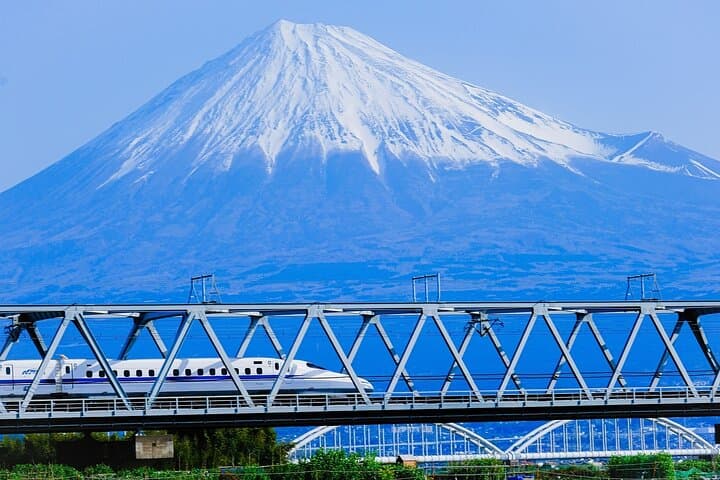
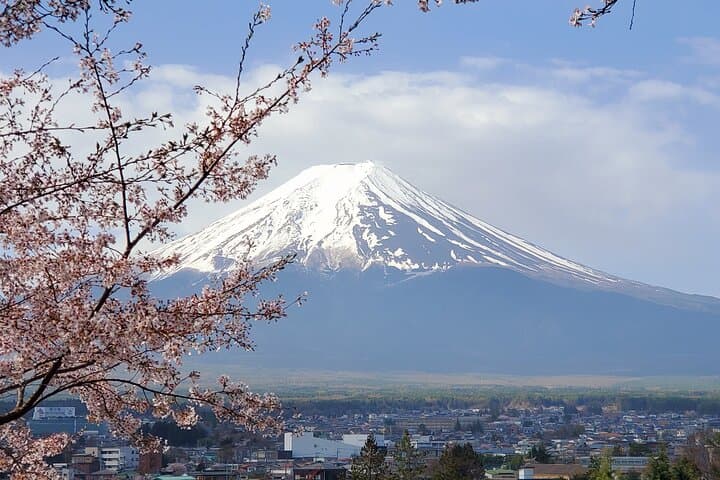
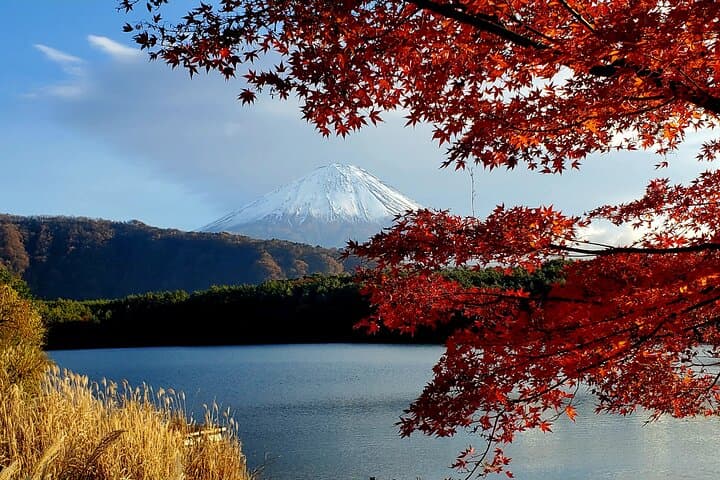
You step into the van before dawn, Tokyo still folding its lights away, and the driver eases out onto the westbound highway. The city loosens, rice paddies and low hills edge in, and then—if the weather is willing—Mount Fuji appears: a deliberate, white-capped ruler at the horizon that seems to approve or refuse your plans with the weather.
You step into the van before dawn, Tokyo still folding its lights away, and the driver eases out onto the westbound highway. The city loosens, rice paddies and low hills edge in, and then—if the weather is willing—Mount Fuji appears: a deliberate, white-capped ruler at the horizon that seems to approve or refuse your plans with the weather.
This private day tour threads together Fuji's quiet sides and Hakone's restless geology. Choose three Fuji-area stops—Chureito Pagoda’s tiered frame, the shrine at Kitaguchi-hongu Fuji Sengen, the spring-fed Oshino Hakkai ponds, or the glass-smooth surfaces of Kawaguchiko and Yamanakako—and your guide paces the day to give each place time to breathe. Later the Hakone Ropeway lifts you over steaming vents toward Owakudani, and a short cruise on Lake Ashi lets the torii at Hakone Shrine stand like a painted punctuation against the water and the mountain.
Geology here is literal: Fuji’s cone, 3,776 meters tall, is the latest in a string of volcanic activity that shaped valleys, lakes and the sulfur-smelling hot springs of Hakone. Culturally, Fuji has been a focus of worship and art for centuries—pilgrims climbed, poets wrote, and the Tokaido road once funneled travelers through Hakone’s post towns. Modern tourism has added bullet trains and ropeways, but the core gestures of view, reverence and hot spring remain unchanged.
Practical edge: the tour is roughly 10 hours from Tokyo pickup, including transit and lunch. You’ll be driven between sites in an air-conditioned private vehicle; the day ends with drop-off at Odawara Station for your Shinkansen return to Tokyo—note the guide does not accompany you on the bullet train. Mobility needs are modest: expect short, mostly paved walks and some steps. Weather dictates visibility—Fuji can hide behind a cloud cap even on otherwise clear days—so mornings often give the best chance for wide views.
Plan like a local. Reserve a window seat on the Shinkansen if you want reflection-time to review photos. Bring layered clothing for the ropeway and lakeshore wind, and keep cash for small shrine offerings or onsen day-use fees. If you crave a quieter viewpoint, ask the guide to swap a busy stop for an off-the-beaten-track shore or museum—this private format makes that swap easy.
In short, the tour moves with purpose: it shows you Fuji’s face and Hakone’s heat, gives you space for a slow cup of tea, and then returns you to urban fast tracks aboard the bullet train. It’s a compact introduction to two landscapes that refuse to play small.