THE ADVENTURE COLLECTIVE® · Independent discovery and booking for outdoor travel

Climb Mount Longonot’s crater rim and pedal through Hell’s Gate over two active days from Nairobi. This compact safari blends volcanic ridge hiking, canyon walks and wildlife viewing with practical logistics and park access included.
Climb Mount Longonot’s crater rim and pedal through Hell’s Gate over two active days from Nairobi. This compact safari blends volcanic ridge hiking, canyon walks and wildlife viewing with practical logistics and park access included.
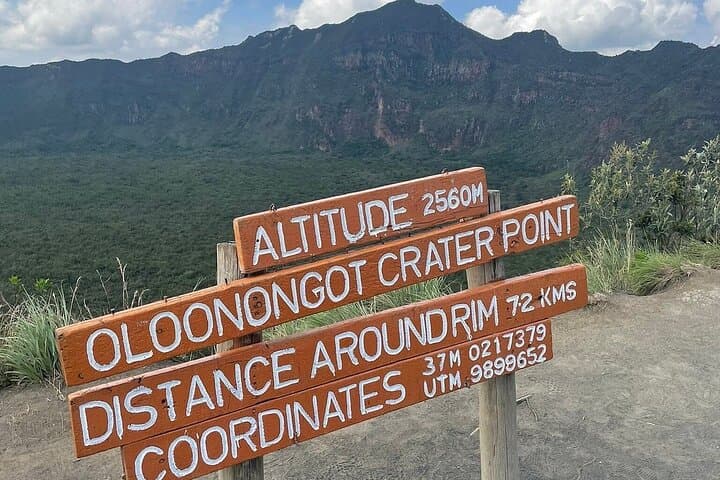
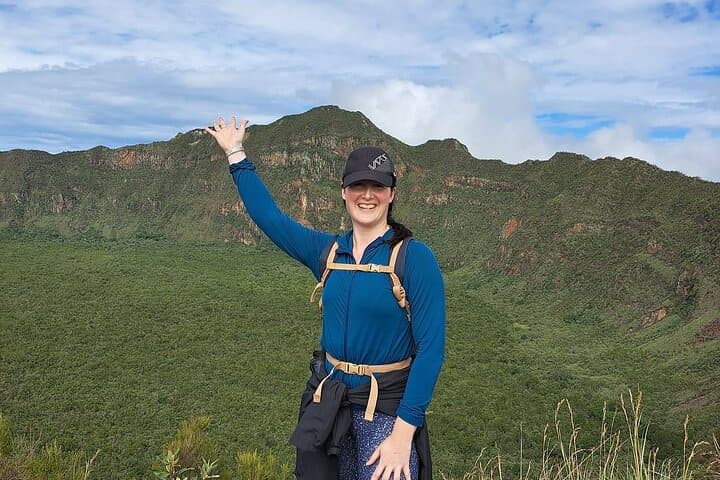
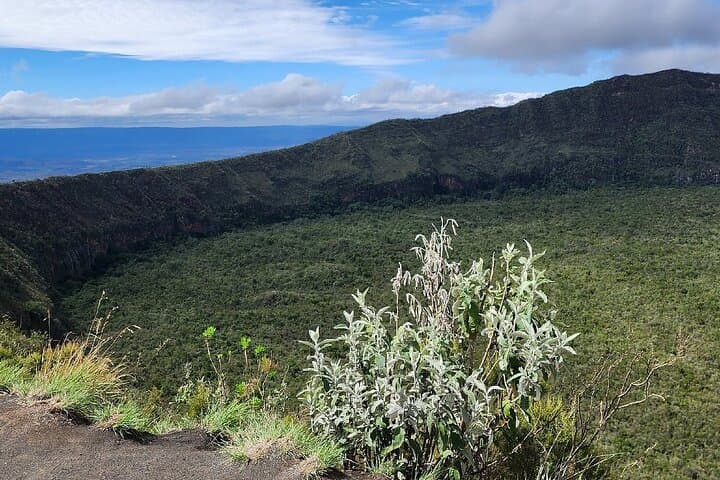
At first light the Rift Valley yawns open beneath you — a slab of plains and shimmering lakes that seems to fold into the horizon. The van pulls off at a high viewpoint and the crater of Mount Longonot rises like an offset of the earth, its rim a jagged crown against the sky. On day one, the trail climbs quickly; volcanic scree gives way to a firmer path and the crater’s inner forest becomes a green throat you skirt before topping out on the rim. Wind pushes into the hollow and the valley answers with a long, low echo.
Verified experiences and guided adventures in the surrounding area.
Operated by Gracepatt Safaris · Naivasha, Nakuru County
At first light the Rift Valley yawns open beneath you — a slab of plains and shimmering lakes that seems to fold into the horizon. The van pulls off at a high viewpoint and the crater of Mount Longonot rises like an offset of the earth, its rim a jagged crown against the sky. On day one, the trail climbs quickly; volcanic scree gives way to a firmer path and the crater’s inner forest becomes a green throat you skirt before topping out on the rim. Wind pushes into the hollow and the valley answers with a long, low echo.
Mount Longonot is an extinct stratovolcano that once fed the Great Rift's upheaval. Its crater, roughly 8–9 kilometers around, is ringed by thick indigenous forest — an unusual microclimate on a volcano — and the rim affords sweeping views across Loita Plains toward Lake Naivasha. The massif sits within a landscape shaped by tectonic rifts and seasonal water, and the Maasai who have inhabited these plains for generations still read the land for grazing and weather.
On the second day the route shifts from ascent to expansive plateaus and the theatrics of Hell’s Gate National Park. Here cliffs become canyons; hot springs steam at rock bases and the gorge walls are scored with time. The itinerary mixes walking, a measured 7 km bike ride across open savanna, and optional rock-climbing sections for those who want an added vertical thrill. Wildlife is visible and unhurried — giraffes and zebras graze in plain view rather than bolt through a safari window.
Practicalities are straightforward: expect roughly 5 hours of hiking on day one with an ascent that feels steep in places (roughly 600–800 m of elevation change depending on your start), and 3–4 hours of mixed hiking and cycling on day two. Trails are marked and the tour includes park admissions, meals, and tented or lodge-style accommodation for the overnight. Start early to avoid heat and to increase chances of wildlife sightings; carry at least 2–3 liters of water, sun protection, and sturdy hiking shoes with good grip — volcanic terrain can be loose.
This two-day loop is both geological primer and active wildlife encounter, paced for hikers with moderate fitness who want more than a viewing platform. Leave phones in airplane mode when you reach the rim: the view rewards attention and the wind seems determined to keep your thoughts on the landscape.
moderate.
2 days.
Good aerobic fitness with prior day-hiking experience; comfortable with sustained climbs and multi-hour walks.
The rim circuit and ascent together typically take about 4–5 hours depending on pace and stops — plan for steep sections and photo breaks.
Trails are non-technical but steep and sometimes loose; no climbing gear is required for the main route.
Yes — giraffes, zebras, gazelles and occasionally larger mammals like buffalo are often visible, especially in Hell’s Gate.
This tour includes park admission, two lunches, breakfast and dinner, and bottled drinking water as listed in the inclusions.
Accommodation is typically in a permanent tented camp or similar lodge for the overnight on day one, per itinerary notes.
Mount Longonot’s summit is high but not extreme; those prone to altitude symptoms should consult a doctor, though most travelers acclimate quickly.
Longonot and the surrounding rift are products of millions of years of tectonic activity; the Maasai and other local communities have grazed the Loita Plains for centuries.
Both parks prioritize habitat protection; stick to trails, minimize campfire use, and avoid single-use plastics to reduce visitor impact.
Gracepatt Safaris operates guided outdoor trips and adventures with an emphasis on safety, stewardship, and memorable experiences.
At first light the Rift Valley yawns open beneath you — a slab of plains and shimmering lakes that seems to fold into the horizon. The van pulls off at a high viewpoint and the crater of Mount Longonot rises like an offset of the earth, its rim a jagged crown against the sky. On day one, the trail climbs quickly; volcanic scree gives way to a firmer path and the crater’s inner forest becomes a green throat you skirt before topping out on the rim. Wind pushes into the hollow and the valley answers with a long, low echo.
At first light the Rift Valley yawns open beneath you — a slab of plains and shimmering lakes that seems to fold into the horizon. The van pulls off at a high viewpoint and the crater of Mount Longonot rises like an offset of the earth, its rim a jagged crown against the sky. On day one, the trail climbs quickly; volcanic scree gives way to a firmer path and the crater’s inner forest becomes a green throat you skirt before topping out on the rim. Wind pushes into the hollow and the valley answers with a long, low echo.
Mount Longonot is an extinct stratovolcano that once fed the Great Rift's upheaval. Its crater, roughly 8–9 kilometers around, is ringed by thick indigenous forest — an unusual microclimate on a volcano — and the rim affords sweeping views across Loita Plains toward Lake Naivasha. The massif sits within a landscape shaped by tectonic rifts and seasonal water, and the Maasai who have inhabited these plains for generations still read the land for grazing and weather.
On the second day the route shifts from ascent to expansive plateaus and the theatrics of Hell’s Gate National Park. Here cliffs become canyons; hot springs steam at rock bases and the gorge walls are scored with time. The itinerary mixes walking, a measured 7 km bike ride across open savanna, and optional rock-climbing sections for those who want an added vertical thrill. Wildlife is visible and unhurried — giraffes and zebras graze in plain view rather than bolt through a safari window.
Practicalities are straightforward: expect roughly 5 hours of hiking on day one with an ascent that feels steep in places (roughly 600–800 m of elevation change depending on your start), and 3–4 hours of mixed hiking and cycling on day two. Trails are marked and the tour includes park admissions, meals, and tented or lodge-style accommodation for the overnight. Start early to avoid heat and to increase chances of wildlife sightings; carry at least 2–3 liters of water, sun protection, and sturdy hiking shoes with good grip — volcanic terrain can be loose.
This two-day loop is both geological primer and active wildlife encounter, paced for hikers with moderate fitness who want more than a viewing platform. Leave phones in airplane mode when you reach the rim: the view rewards attention and the wind seems determined to keep your thoughts on the landscape.