
Mount Kilimanjaro 6-Day Marangu Route: Classic Hut-to-Hut Ascent to Uhuru Peak
Tackle Africa’s highest peak on the classic Marangu ("Coca-Cola") route: a six-day, hut-to-hut climb that trades technical rock for steady gain and communal shelter. This guide lays out what to expect—terrain, timing, and practical tips to maximize your summit chances.
An Adventure In Moshi.
Tackle Africa’s highest peak on the classic Marangu ("Coca-Cola") route: a six-day, hut-to-hut climb that trades technical rock for steady gain and communal shelter. This guide lays out what to expect—terrain, timing, and practical tips to maximize your summit chances.
Read the full experience
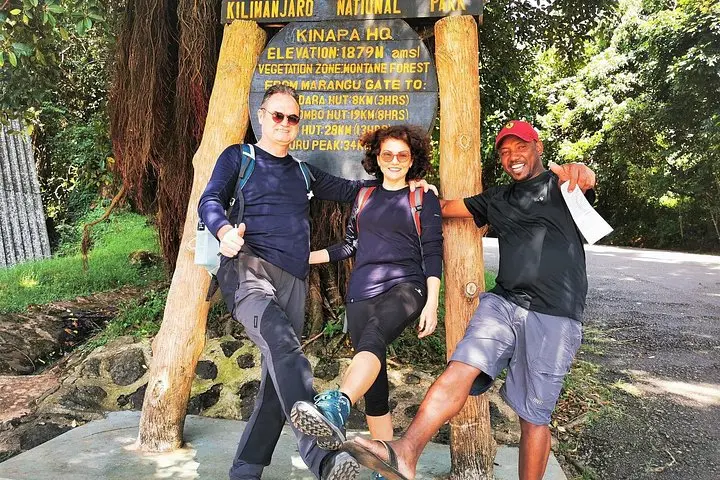
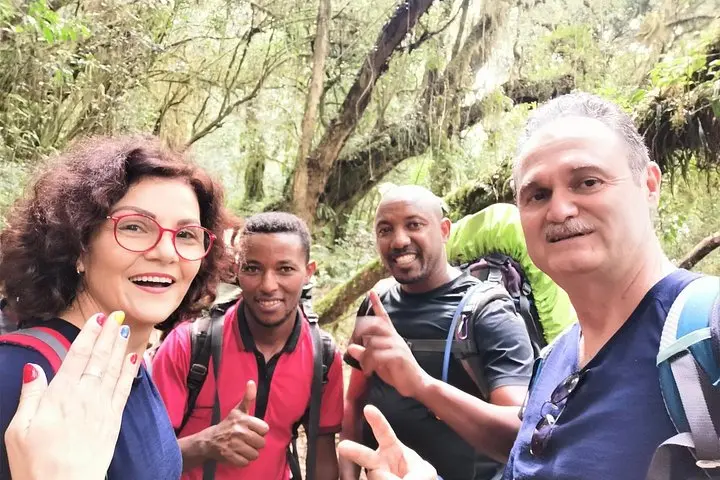
You set out from Moshi before dawn, city lights dissolving into coffee-scented air as the van climbs toward Marangu Gate. The trail starts in a living roof of rain forest: trunks slick with moss, calls of blue monkeys threading through the canopy. Each day moves you higher through clearly defined bands—rain forest to heath, heath to alpine desert—until the mountain narrows and the sky feels improbably close.
You set out from Moshi before dawn, city lights dissolving into coffee-scented air as the van climbs toward Marangu Gate. The trail starts in a living roof of rain forest: trunks slick with moss, calls of blue monkeys threading through the canopy. Each day moves you higher through clearly defined bands—rain forest to heath, heath to alpine desert—until the mountain narrows and the sky feels improbably close.
The Marangu route is the oldest established track to Kilimanjaro’s summit and the only one with hut accommodation, a detail that shaped both its popularity and character. Early European climbers described Kibo and Mawenzi as raw volcanic ribs; today the peaks still read like geological portraiture—ancient lava flows, collapsed caldera, and a crater rim that holds the final, thin air. The route’s gradual slopes make it a pragmatic choice for climbers who want a straightforward line to Uhuru Peak without technical scrambling. But ‘‘easiest’’ is relative: altitude, cold and a midnight push to the summit demand respect and preparation.
Culturally the mountain is as significant as it is tall. Chagga villages on Kilimanjaro’s lower laps have farmed its fertile slopes for centuries, and porters who carry your gear belong to a long tradition of mountain hospitality. Park fees and the presence of guides mean the climb also supports local livelihoods—expect to meet an experienced crew each day who know the trail intimately and carry more than just packs; they carry weather sense and hard-won pacing strategies.
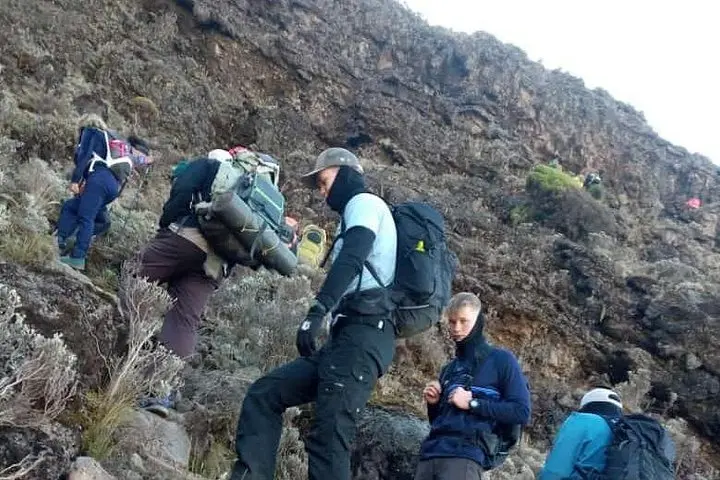
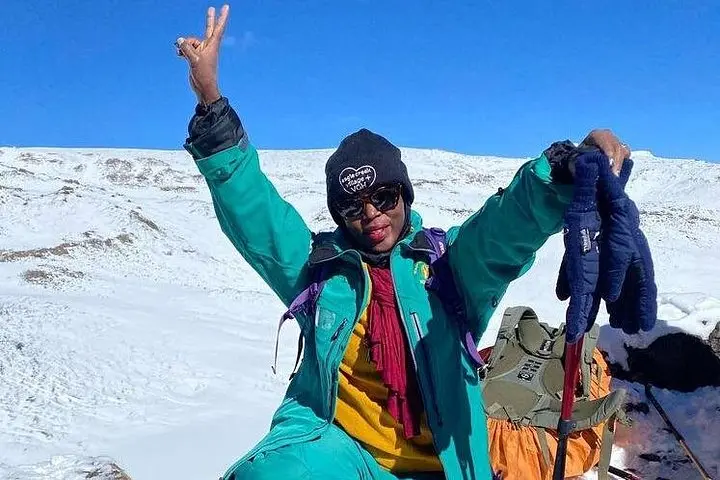
Practically, the six-day Marangu itinerary spaces acclimatization across an extra day at Horombo Hut and an overnight at Kibo Hut before the summit bid. Daily distances vary—5 miles on day one, up to 12 miles on the descent—and elevation gains are steady: from about 6,000 ft at Marangu Gate to Uhuru Peak at 19,341 ft. The summit push begins around midnight from Kibo Hut and is the climb’s defining challenge: hours of steep, slow steps into bitter wind and thin air, rewarded at Gilman’s Point by a sunrise that crawls up over Mawenzi then floods the plains below.
Bring layered insulation, a reliable sleeping system for hut dorms, and a plan for pacing and hydration. Footwear should be sturdy with good ankle support for long descents on loose scree. If altitude is a concern, the extra acclimatization day is not optional—it’s the strategy that improves summit odds.
On return, the forest again reclaims the senses: warm air, bird song, and the simple pleasure of a hot shower in Moshi. The Marangu route gives you a direct line to Kilimanjaro’s geological drama and a clear, communal climbing experience—hut-to-hut, guide-led, and intensely human from start to summit.
Frequently asked questions
Marangu is often called the 'easiest' because of its gradual grades and hut accommodation, but it still involves significant altitude gain and the summit night is physically demanding.
No technical climbing skills are required, but participants should have multi-day hiking experience and good cardiovascular fitness.
Accommodation is in dormitory-style mountain huts (Mandara, Horombo, Kibo) with basic bunks; bring a sleeping liner for hygiene and extra warmth.
June–October and late December–February are the most stable and popular windows; shoulder seasons can be quieter but sometimes wetter.
Summit success depends on acclimatization, fitness, and weather; the six-day itinerary improves odds, but there are no guarantees due to altitude and conditions.
This tour includes Kilimanjaro National Park fees and a climbing crew; confirm specifics with the operator and carry valid ID and passport details.
About This Experience
ALMIGHTY KILIMANJARO operates guided outdoor trips and adventures with an emphasis on safety, stewardship, and memorable experiences.
Adventure tips
Recommended gear
- Insulated down jacket: Critical for summit night and high camps where temperatures drop well below freezing.
- Sturdy hiking boots (broken-in): Support and traction for varied terrain—from rainforest roots to scree and hard-packed snow.
- Trekking poles: Reduce knee strain on long descents and help maintain rhythm during the summit push.
- Sleeping liner and earplugs: Hut dorms are shared; a liner adds warmth and earplugs improve rest between overnight shifts.
Photos of the experience
Related adventures & guides
Read the full experience
You set out from Moshi before dawn, city lights dissolving into coffee-scented air as the van climbs toward Marangu Gate. The trail starts in a living roof of rain forest: trunks slick with moss, calls of blue monkeys threading through the canopy. Each day moves you higher through clearly defined bands—rain forest to heath, heath to alpine desert—until the mountain narrows and the sky feels improbably close.
You set out from Moshi before dawn, city lights dissolving into coffee-scented air as the van climbs toward Marangu Gate. The trail starts in a living roof of rain forest: trunks slick with moss, calls of blue monkeys threading through the canopy. Each day moves you higher through clearly defined bands—rain forest to heath, heath to alpine desert—until the mountain narrows and the sky feels improbably close.
The Marangu route is the oldest established track to Kilimanjaro’s summit and the only one with hut accommodation, a detail that shaped both its popularity and character. Early European climbers described Kibo and Mawenzi as raw volcanic ribs; today the peaks still read like geological portraiture—ancient lava flows, collapsed caldera, and a crater rim that holds the final, thin air. The route’s gradual slopes make it a pragmatic choice for climbers who want a straightforward line to Uhuru Peak without technical scrambling. But ‘‘easiest’’ is relative: altitude, cold and a midnight push to the summit demand respect and preparation.
Culturally the mountain is as significant as it is tall. Chagga villages on Kilimanjaro’s lower laps have farmed its fertile slopes for centuries, and porters who carry your gear belong to a long tradition of mountain hospitality. Park fees and the presence of guides mean the climb also supports local livelihoods—expect to meet an experienced crew each day who know the trail intimately and carry more than just packs; they carry weather sense and hard-won pacing strategies.
Practically, the six-day Marangu itinerary spaces acclimatization across an extra day at Horombo Hut and an overnight at Kibo Hut before the summit bid. Daily distances vary—5 miles on day one, up to 12 miles on the descent—and elevation gains are steady: from about 6,000 ft at Marangu Gate to Uhuru Peak at 19,341 ft. The summit push begins around midnight from Kibo Hut and is the climb’s defining challenge: hours of steep, slow steps into bitter wind and thin air, rewarded at Gilman’s Point by a sunrise that crawls up over Mawenzi then floods the plains below.
Bring layered insulation, a reliable sleeping system for hut dorms, and a plan for pacing and hydration. Footwear should be sturdy with good ankle support for long descents on loose scree. If altitude is a concern, the extra acclimatization day is not optional—it’s the strategy that improves summit odds.
On return, the forest again reclaims the senses: warm air, bird song, and the simple pleasure of a hot shower in Moshi. The Marangu route gives you a direct line to Kilimanjaro’s geological drama and a clear, communal climbing experience—hut-to-hut, guide-led, and intensely human from start to summit.
Make a day of it nearby.
Verified experiences and guided adventures in the surrounding area.