THE ADVENTURE COLLECTIVE® · Independent discovery and booking for outdoor travel

Ride a shared minivan out of Moshi, climb a short hill, and watch Kilimanjaro ignite at sunset while local drums and beer set the mood. This two-hour, low-effort outing mixes panoramic views, music, and stargazing for an easy evening ritual.
Ride a shared minivan out of Moshi, climb a short hill, and watch Kilimanjaro ignite at sunset while local drums and beer set the mood. This two-hour, low-effort outing mixes panoramic views, music, and stargazing for an easy evening ritual.
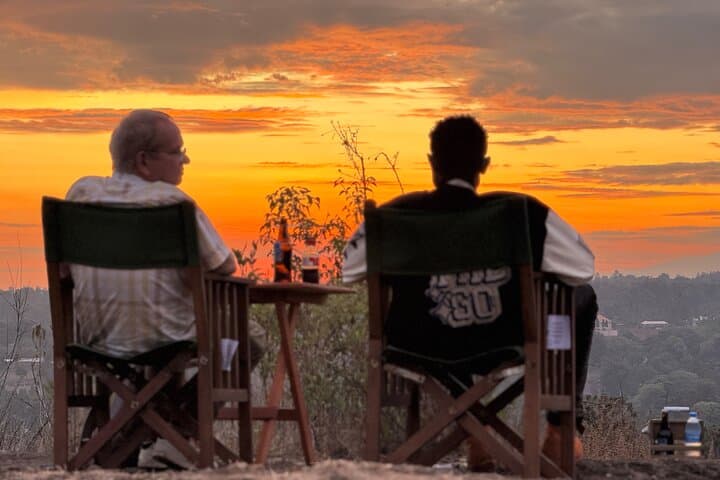
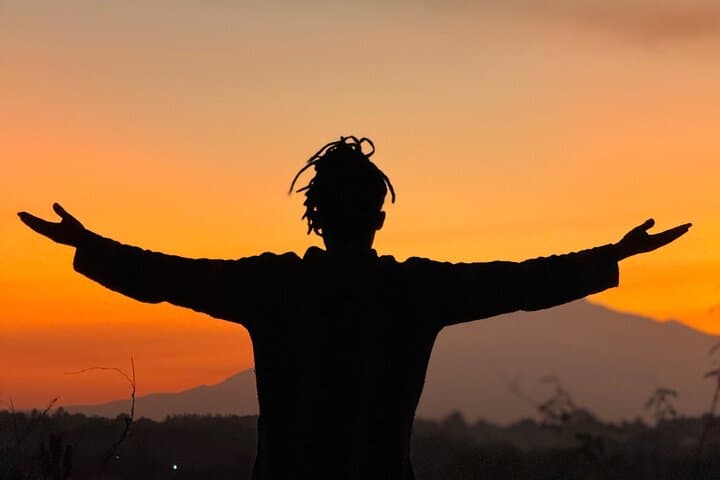
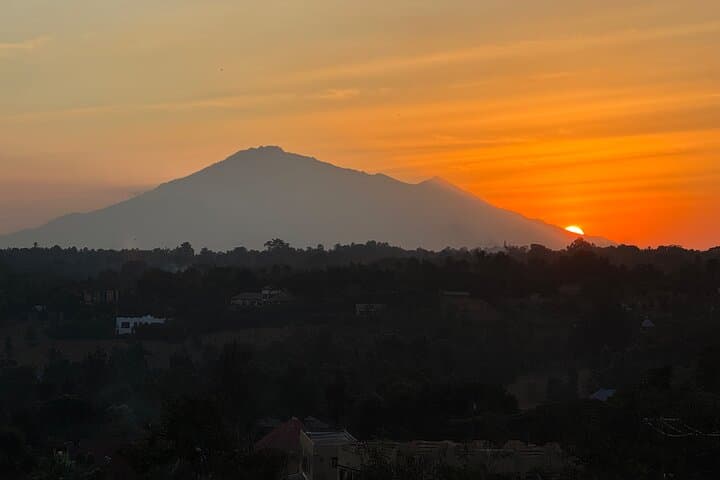
The sun slides low behind the broad shoulder of Kilimanjaro and the town of Moshi below turns copper and quiet. A shared minivan drops a dozen people at a scrubby roadside; a low hill becomes the theater. People climb, breath and chatter softening, until the sky deepens and the guides bring out drums. The rhythm stitches the crowd together — locals and travelers leaning into the same horizon — while cold local beer passes from hand to hand and the first stars appear above Africa's highest peak.
Verified experiences and guided adventures in the surrounding area.
Operated by Mama Africa Giftshop · Moshi, Kilimanjaro Region
The sun slides low behind the broad shoulder of Kilimanjaro and the town of Moshi below turns copper and quiet. A shared minivan drops a dozen people at a scrubby roadside; a low hill becomes the theater. People climb, breath and chatter softening, until the sky deepens and the guides bring out drums. The rhythm stitches the crowd together — locals and travelers leaning into the same horizon — while cold local beer passes from hand to hand and the first stars appear above Africa's highest peak.
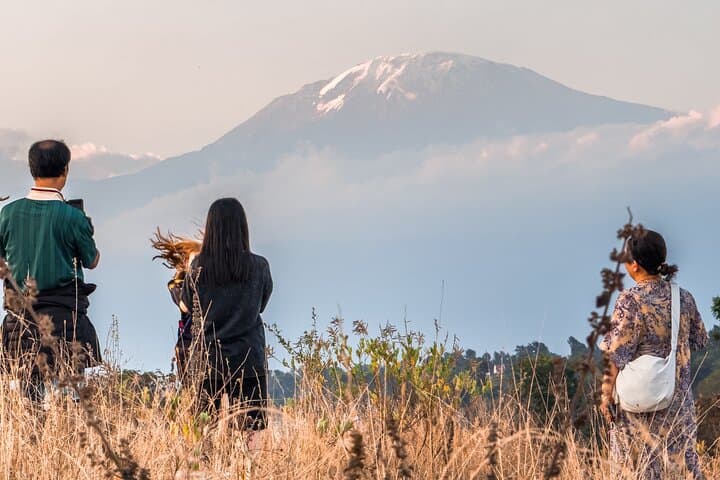
This is not a polished lookout with railings and plaques. It's a human-centered ritual built into a landscape shaped by ancient lava flows and glaciers that once fed rivers down the mountain’s flanks. Kilimanjaro's massif dominates the skyline; its height and glaciated summit are reminders of dramatic geological uplift and recent climate change. Moshi itself began as a caravan and coffee town at the base of this mountain, and the culture here blends Chagga agricultural traditions, Swahili coastal ties, and the steady influx of climbers and explorers.
The experience is deliberately simple: shared transport from central meeting points, a short walk up a viewpoint, live drumming, local songs taught by guides, star-gazing and often beer or soft drinks. At certain lunar cycles the moonrise aligns with Kili's silhouette — a local photo moment. The night air can sharpen quickly; the guides know how to read the light and the wind and they run the show with a relaxed, social confidence that makes this feel more like an invited roof-top party than a commercial tour.
Practical notes matter: the climb to the viewpoint is short but uneven—sturdy shoes and a headlamp after dark help. Arrive early to stake out a spot for unobstructed views of the mountain; the best angles face northwest toward Kibo and Mawenzi. Bring a warm layer; temperatures dip quickly once the sun is down and the elevation near town is cooler than the coastal humidity. Photographers should plan for golden hour into twilight — exposure shifts fast as the sky changes from warm to indigo.
This activity is ideal for travelers who want an accessible cultural slice of Moshi without the commitment of a mountain trek. It’s social, low-effort and rooted in the town’s relationship with Kilimanjaro: music and beer, conversation and sky. For planners, confirm pick-up details when booking, note the 24-hour cancellation policy, and mention any mobility concerns — organizers adapt pickup for larger groups and can collect guests from central hostels. In two hours you’ll have a sunset, a story, and a clearer sense of why this mountain draws people from around the world.
easy.
2 hours.
Suitable for most fitness levels; requires a short uphill walk and standing for the sunset.
Meet at Mama Africa giftshop opposite Coffee Union or request pickup from the Mountain Bike House; larger groups may be picked up from hostels.
No—the walk is a short uphill of roughly 5–15 minutes on uneven ground; it’s suitable for most people who can walk short distances.
Local beer or soft drinks are provided as part of the experience, but extra purchases should be paid in cash if offered on site.
Yes, but infants must sit on a caregiver’s lap and the short hike and evening conditions mean close supervision is necessary.
Visibility depends on weather and cloud cover; many nights are clear, but mountain views are never guaranteed.
The operator may cancel in bad weather with a refund if within the cancellation window; bring a rain layer just in case.
Moshi developed as a trade and coffee center beneath Kilimanjaro; local Chagga communities cultivated the mountain’s rich slopes for centuries, shaping the town’s social rhythms.
Kilimanjaro’s shrinking glaciers are a visible sign of climate change; supporting local guides and small businesses helps maintain sustainable tourism economies around the mountain.
Mama Africa Giftshop operates guided outdoor trips and adventures with an emphasis on safety, stewardship, and memorable experiences.
The sun slides low behind the broad shoulder of Kilimanjaro and the town of Moshi below turns copper and quiet. A shared minivan drops a dozen people at a scrubby roadside; a low hill becomes the theater. People climb, breath and chatter softening, until the sky deepens and the guides bring out drums. The rhythm stitches the crowd together — locals and travelers leaning into the same horizon — while cold local beer passes from hand to hand and the first stars appear above Africa's highest peak.
The sun slides low behind the broad shoulder of Kilimanjaro and the town of Moshi below turns copper and quiet. A shared minivan drops a dozen people at a scrubby roadside; a low hill becomes the theater. People climb, breath and chatter softening, until the sky deepens and the guides bring out drums. The rhythm stitches the crowd together — locals and travelers leaning into the same horizon — while cold local beer passes from hand to hand and the first stars appear above Africa's highest peak.
This is not a polished lookout with railings and plaques. It's a human-centered ritual built into a landscape shaped by ancient lava flows and glaciers that once fed rivers down the mountain’s flanks. Kilimanjaro's massif dominates the skyline; its height and glaciated summit are reminders of dramatic geological uplift and recent climate change. Moshi itself began as a caravan and coffee town at the base of this mountain, and the culture here blends Chagga agricultural traditions, Swahili coastal ties, and the steady influx of climbers and explorers.
The experience is deliberately simple: shared transport from central meeting points, a short walk up a viewpoint, live drumming, local songs taught by guides, star-gazing and often beer or soft drinks. At certain lunar cycles the moonrise aligns with Kili's silhouette — a local photo moment. The night air can sharpen quickly; the guides know how to read the light and the wind and they run the show with a relaxed, social confidence that makes this feel more like an invited roof-top party than a commercial tour.
Practical notes matter: the climb to the viewpoint is short but uneven—sturdy shoes and a headlamp after dark help. Arrive early to stake out a spot for unobstructed views of the mountain; the best angles face northwest toward Kibo and Mawenzi. Bring a warm layer; temperatures dip quickly once the sun is down and the elevation near town is cooler than the coastal humidity. Photographers should plan for golden hour into twilight — exposure shifts fast as the sky changes from warm to indigo.
This activity is ideal for travelers who want an accessible cultural slice of Moshi without the commitment of a mountain trek. It’s social, low-effort and rooted in the town’s relationship with Kilimanjaro: music and beer, conversation and sky. For planners, confirm pick-up details when booking, note the 24-hour cancellation policy, and mention any mobility concerns — organizers adapt pickup for larger groups and can collect guests from central hostels. In two hours you’ll have a sunset, a story, and a clearer sense of why this mountain draws people from around the world.