THE ADVENTURE COLLECTIVE® · Independent discovery and booking for outdoor travel

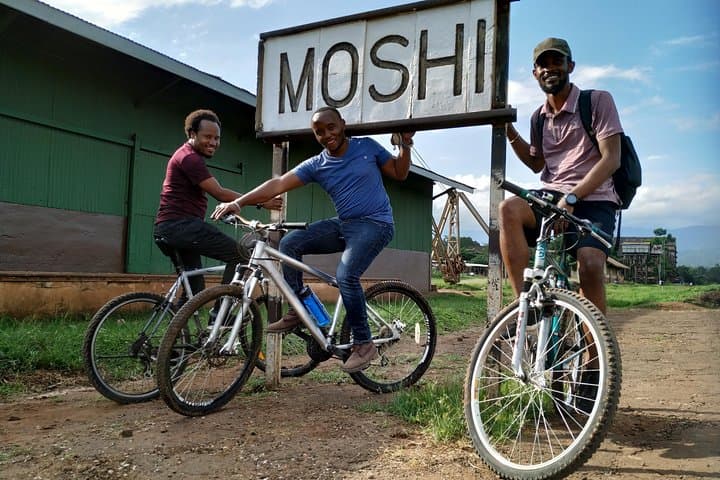
Pedal through Moshi’s bustling streets, markets and religious sites with Kilimanjaro looming in the distance. This 45 km, easy-level city loop blends culture, coffee and clear mountain views—ideal for active travelers who want a local orientation in a single morning.
Pedal through Moshi’s bustling streets, markets and religious sites with Kilimanjaro looming in the distance. This 45 km, easy-level city loop blends culture, coffee and clear mountain views—ideal for active travelers who want a local orientation in a single morning.
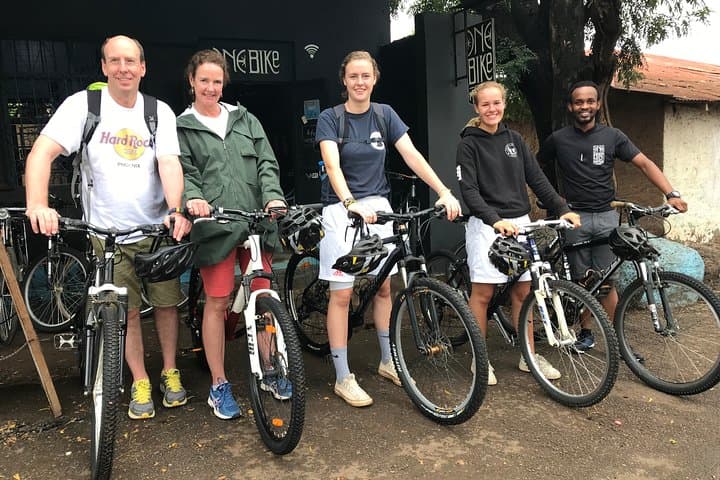
The morning in Moshi arrives like an invitation: vendors unfold colorful stalls, motorbikes thread between stalls and the air smells of roasted coffee and ripe mango. Pedaling out of One Bike Shop, your wheels click over tarmac while the town unwraps itself—narrow streets lined with small shops, a mosque’s call folding into the clatter of street life, and, always, Mount Kilimanjaro watching from the horizon.
Verified experiences and guided adventures in the surrounding area.
Operated by One Bike Tanzania · Moshi, Kilimanjaro Region
The morning in Moshi arrives like an invitation: vendors unfold colorful stalls, motorbikes thread between stalls and the air smells of roasted coffee and ripe mango. Pedaling out of One Bike Shop, your wheels click over tarmac while the town unwraps itself—narrow streets lined with small shops, a mosque’s call folding into the clatter of street life, and, always, Mount Kilimanjaro watching from the horizon.
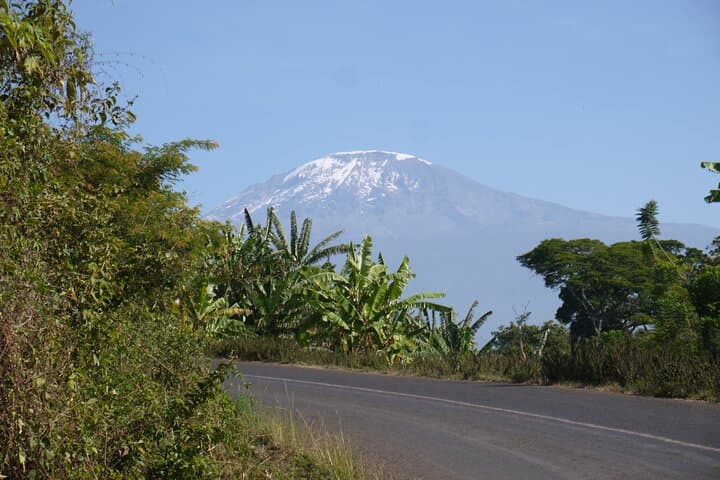
This is not a nature trail so much as a human one. Moshi grew into prominence as a trading hub beneath Kilimanjaro’s slopes and retains layers of influence: German colonial buildings and the old train station point to a rail-era past; Chagga agricultural terraces, fed by ingenious irrigation systems, are the living work of the region’s dominant ethnic group. Geologically, Kilimanjaro is a dormant stratovolcano with three volcanic cones—Kibo and Mawenzi form the dramatic skyline you’ll return to again and again during the ride.
On the route you’ll stop at Mbuyuni Market—an assault of color and scent—and pass the Rihada Mosque, Hindu temple, the colonial clock tower and the Roman Catholic ‘‘Christian King’’ church. The Memorial Market and clothing stalls reveal how textiles and tailoring shape local identity; at the small airstrip near Moshi Airport, an open field frames Kilimanjaro’s glaciers on clear days. These stops are less about sightseeing than conversation: vendors, artisans and guides will answer questions about their work, coffee processing, and seasonal harvests.
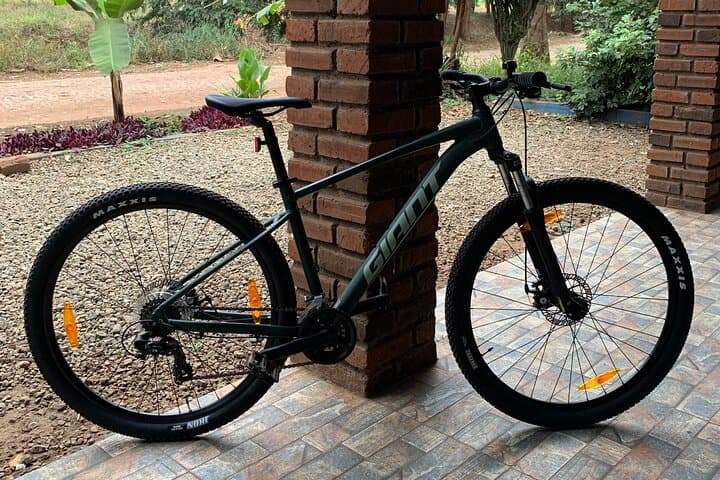
Practical side: the loop is 45 km of mostly tarmac road and is rated easy. You’ll be moving through town traffic and occasional roadside vendors, so a steady hand and basic bike-handling skills matter more than peak fitness. The operator provides a mountain bike and helmet; group size is small (max 10), and hotel pickup can be arranged. Expect 2–3 hours on the bike if you skip extended meals, or most of a morning if you opt for a market lunch.
Timing is everything for photos and comfort—early starts avoid midday heat and offer clearer views of Kili. Bring sun protection, bottled water (often included), and a small lock if you plan to stop for shopping. Respect religious sites—dress modestly at temples and mosques—and negotiate purchases in local shillings or by card where accepted. Finally, be prepared for sudden tropical showers during the wet season; the town dries fast, but roads can get slippery.
This ride is compact but revealing: a day to feel Moshi’s rhythm, meet its people and keep Kilimanjaro as a persistent, patient companion on the skyline.
easy.
2–3 hours.
Suitable for all fitness levels; you should be comfortable with intermittent pedaling and handling urban traffic.
The tour covers about 45 km and runs 2–3 hours; it’s rated easy and suitable for most fitness levels—basic bike-handling in traffic is the main requirement.
Yes, a mountain bike and helmet are included; you can request a different size when booking.
Yes—on clear days you’ll get multiple views of Kibo and Mawenzi, especially from the open field near Moshi Airport and higher vantage points.
Bottled water is included; stops for lunch or drinks can be added but are not automatically included in the base tour.
Yes—hotel pickup is available from many accommodations in Moshi; confirm your pickup point when booking.
Tours may be canceled for heavy rain; light showers do occur—bring a compact rain jacket and the operator follows a weather-based cancellation policy.
Moshi expanded under German colonial rule and later became a hub for mountain guides and coffee export; the old train station and clock tower hint at its rail-era past.
Kilimanjaro’s glaciers are retreating—support community-run coffee projects and responsible guide services that contribute to local conservation and sustainable tourism.
One Bike Tanzania operates guided outdoor trips and adventures with an emphasis on safety, stewardship, and memorable experiences.
The morning in Moshi arrives like an invitation: vendors unfold colorful stalls, motorbikes thread between stalls and the air smells of roasted coffee and ripe mango. Pedaling out of One Bike Shop, your wheels click over tarmac while the town unwraps itself—narrow streets lined with small shops, a mosque’s call folding into the clatter of street life, and, always, Mount Kilimanjaro watching from the horizon.
The morning in Moshi arrives like an invitation: vendors unfold colorful stalls, motorbikes thread between stalls and the air smells of roasted coffee and ripe mango. Pedaling out of One Bike Shop, your wheels click over tarmac while the town unwraps itself—narrow streets lined with small shops, a mosque’s call folding into the clatter of street life, and, always, Mount Kilimanjaro watching from the horizon.
This is not a nature trail so much as a human one. Moshi grew into prominence as a trading hub beneath Kilimanjaro’s slopes and retains layers of influence: German colonial buildings and the old train station point to a rail-era past; Chagga agricultural terraces, fed by ingenious irrigation systems, are the living work of the region’s dominant ethnic group. Geologically, Kilimanjaro is a dormant stratovolcano with three volcanic cones—Kibo and Mawenzi form the dramatic skyline you’ll return to again and again during the ride.
On the route you’ll stop at Mbuyuni Market—an assault of color and scent—and pass the Rihada Mosque, Hindu temple, the colonial clock tower and the Roman Catholic ‘‘Christian King’’ church. The Memorial Market and clothing stalls reveal how textiles and tailoring shape local identity; at the small airstrip near Moshi Airport, an open field frames Kilimanjaro’s glaciers on clear days. These stops are less about sightseeing than conversation: vendors, artisans and guides will answer questions about their work, coffee processing, and seasonal harvests.
Practical side: the loop is 45 km of mostly tarmac road and is rated easy. You’ll be moving through town traffic and occasional roadside vendors, so a steady hand and basic bike-handling skills matter more than peak fitness. The operator provides a mountain bike and helmet; group size is small (max 10), and hotel pickup can be arranged. Expect 2–3 hours on the bike if you skip extended meals, or most of a morning if you opt for a market lunch.
Timing is everything for photos and comfort—early starts avoid midday heat and offer clearer views of Kili. Bring sun protection, bottled water (often included), and a small lock if you plan to stop for shopping. Respect religious sites—dress modestly at temples and mosques—and negotiate purchases in local shillings or by card where accepted. Finally, be prepared for sudden tropical showers during the wet season; the town dries fast, but roads can get slippery.
This ride is compact but revealing: a day to feel Moshi’s rhythm, meet its people and keep Kilimanjaro as a persistent, patient companion on the skyline.