THE ADVENTURE COLLECTIVE® · Independent discovery and booking for outdoor travel

Board a small semi-rigid boat off Moorea for a four-hour, six-person whale expedition. Learn about humpback behavior, snorkel reef passes, and—when conditions allow—enter the water under guide supervision for rare close encounters.
Board a small semi-rigid boat off Moorea for a four-hour, six-person whale expedition. Learn about humpback behavior, snorkel reef passes, and—when conditions allow—enter the water under guide supervision for rare close encounters.
You push off from Moorea's lagoon aboard Inutai, a semi-rigid boat that cuts the glassy water with a quiet confidence. The island slopes rise behind you—sheer volcanic ridges dropping into turquoise—and the ocean ahead feels patient, like it’s holding its breath. Guides scan the horizon; soon a blow, a fluke, then a bulk of dark back rolls through the swell. Humpbacks here travel to Polynesia to breed and calve, and when conditions allow guides may invite you to enter the water alongside these giants, always keeping the animals’ safety and space as the priority.
Verified experiences and guided adventures in the surrounding area.
Operated by ULTRA REEF · Moorea, Society Islands
You push off from Moorea's lagoon aboard Inutai, a semi-rigid boat that cuts the glassy water with a quiet confidence. The island slopes rise behind you—sheer volcanic ridges dropping into turquoise—and the ocean ahead feels patient, like it’s holding its breath. Guides scan the horizon; soon a blow, a fluke, then a bulk of dark back rolls through the swell. Humpbacks here travel to Polynesia to breed and calve, and when conditions allow guides may invite you to enter the water alongside these giants, always keeping the animals’ safety and space as the priority.
Moorea is a young volcanic island in the Society Islands: sharp basalt ridges, coral fringing reefs, and deep passes where pelagics move through. Polynesian voyagers have known these waters for centuries; modern conservation and regulations (DIREN-approved operators) shape how tours approach whales and other wildlife today. You’ll likely also see dolphins, turtles, rays and reef sharks during the 4-hour outing.
Practically: the tour runs about four hours, limited to six guests for an intimate experience. Snorkeling gear is provided, but you should be comfortable swimming with fins, and in good physical condition. The operator provides water, snacks and hot drinks. Not recommended for pregnant travelers or those with serious back or heart conditions. Bring reef-safe sunscreen, a hat, light layers, seasickness meds if you’re prone, and a waterproof camera if you want photos.
Timing matters—humpback season in French Polynesia peaks July–November—so plan accordingly. Operators follow strict approach rules; listen to your guide, respect distances, and prioritize observation over risky interactions. The reward is close-up behavior and the thunderous, surprising presence of whales in one of the planet’s most open, blue theaters.
moderate.
4 hours.
Moderate fitness and comfort with swimming and snorkeling; ability to step on/off a moving boat and use fins.
Humpback season in French Polynesia runs roughly July–November, with peak sightings often in August–September when whales arrive to breed and calve.
Guides may allow supervised water entry when conditions and animal behavior permit; the final decision rests with the captain and guide to ensure safety and compliance with regulations.
Yes—snorkel mask, fins and snorkel are provided, though some guests prefer to bring personal gear for fit and comfort.
This tour is not recommended for pregnant travelers or people with serious back or cardiovascular issues; a moderate fitness level is advised due to boat movement and potential swimming.
Moorea and nearby Tahiti were settled by Polynesian navigators centuries ago; the island’s sharp ridges are the eroded remains of a shield volcano and have long guided local sea routes.
Operators on Moorea work under regional rules to minimize disturbance to whales and reef systems; choose tours that follow approach limits and use reef-safe products.
ULTRA REEF operates guided outdoor trips and adventures with an emphasis on safety, stewardship, and memorable experiences.
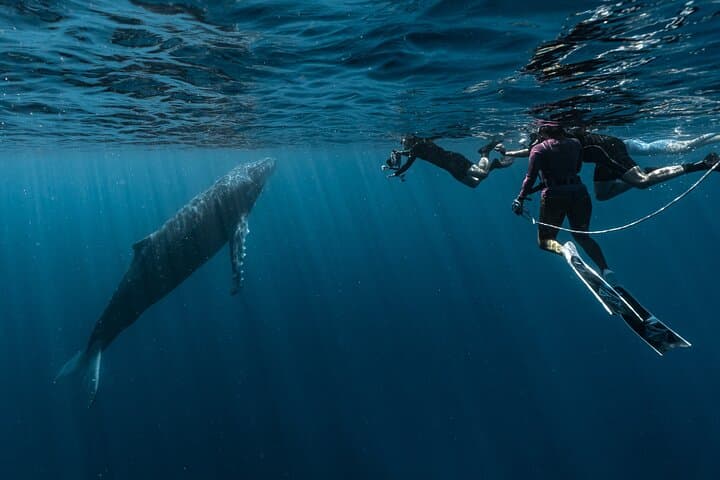
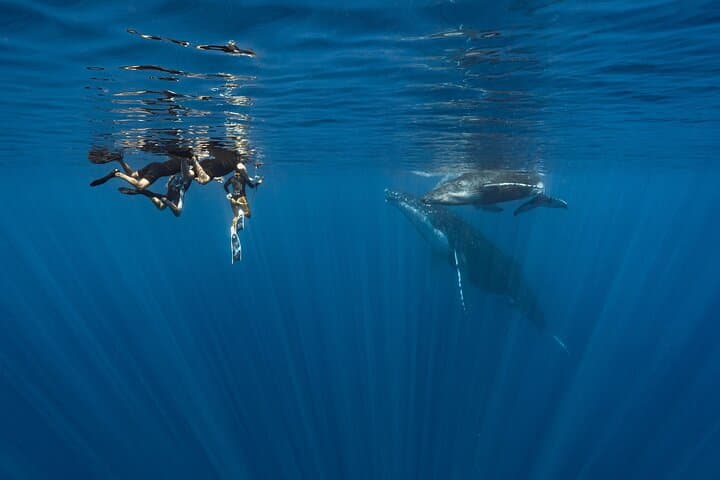
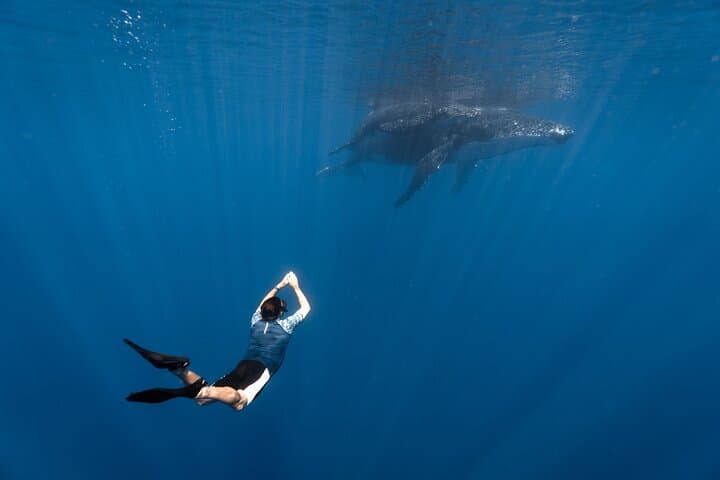
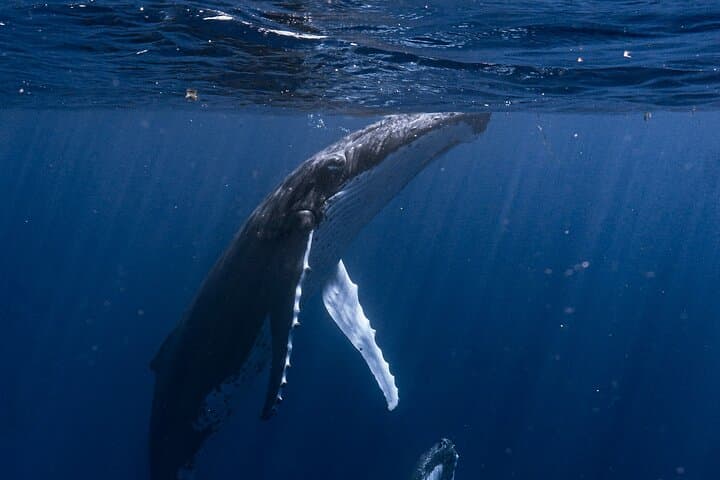
You push off from Moorea's lagoon aboard Inutai, a semi-rigid boat that cuts the glassy water with a quiet confidence. The island slopes rise behind you—sheer volcanic ridges dropping into turquoise—and the ocean ahead feels patient, like it’s holding its breath. Guides scan the horizon; soon a blow, a fluke, then a bulk of dark back rolls through the swell. Humpbacks here travel to Polynesia to breed and calve, and when conditions allow guides may invite you to enter the water alongside these giants, always keeping the animals’ safety and space as the priority.
You push off from Moorea's lagoon aboard Inutai, a semi-rigid boat that cuts the glassy water with a quiet confidence. The island slopes rise behind you—sheer volcanic ridges dropping into turquoise—and the ocean ahead feels patient, like it’s holding its breath. Guides scan the horizon; soon a blow, a fluke, then a bulk of dark back rolls through the swell. Humpbacks here travel to Polynesia to breed and calve, and when conditions allow guides may invite you to enter the water alongside these giants, always keeping the animals’ safety and space as the priority.
Moorea is a young volcanic island in the Society Islands: sharp basalt ridges, coral fringing reefs, and deep passes where pelagics move through. Polynesian voyagers have known these waters for centuries; modern conservation and regulations (DIREN-approved operators) shape how tours approach whales and other wildlife today. You’ll likely also see dolphins, turtles, rays and reef sharks during the 4-hour outing.
Practically: the tour runs about four hours, limited to six guests for an intimate experience. Snorkeling gear is provided, but you should be comfortable swimming with fins, and in good physical condition. The operator provides water, snacks and hot drinks. Not recommended for pregnant travelers or those with serious back or heart conditions. Bring reef-safe sunscreen, a hat, light layers, seasickness meds if you’re prone, and a waterproof camera if you want photos.
Timing matters—humpback season in French Polynesia peaks July–November—so plan accordingly. Operators follow strict approach rules; listen to your guide, respect distances, and prioritize observation over risky interactions. The reward is close-up behavior and the thunderous, surprising presence of whales in one of the planet’s most open, blue theaters.