THE ADVENTURE COLLECTIVE® · Independent discovery and booking for outdoor travel

Float the Mindo River, cross the canopy by tarabita, swim in a waterfall sanctuary and finish with bean-to-bar chocolate tasting. This single-day adventure pairs adrenaline and natural history in Ecuador’s cloud forest.
Float the Mindo River, cross the canopy by tarabita, swim in a waterfall sanctuary and finish with bean-to-bar chocolate tasting. This single-day adventure pairs adrenaline and natural history in Ecuador’s cloud forest.
The tarabita hums into motion and the forest opens like a living curtain — mist-threaded ferns brush the cable as you cross, and below the Mindo River dares you with white water and glints of sunlight. By midmorning the air tastes of wet earth and chocolate; the guide points out a flash of emerald as a hummingbird darts between heliconias. A full-day loop here moves fast: river tubing, a cable-car forest crossing, a hike to a waterfall sanctuary, a butterfly house visit and a hands-on chocolate tasting that completes the day.
Verified experiences and guided adventures in the surrounding area.
Operated by Kunakkuna Experiences · Mindo, Pichincha
The tarabita hums into motion and the forest opens like a living curtain — mist-threaded ferns brush the cable as you cross, and below the Mindo River dares you with white water and glints of sunlight. By midmorning the air tastes of wet earth and chocolate; the guide points out a flash of emerald as a hummingbird darts between heliconias. A full-day loop here moves fast: river tubing, a cable-car forest crossing, a hike to a waterfall sanctuary, a butterfly house visit and a hands-on chocolate tasting that completes the day.
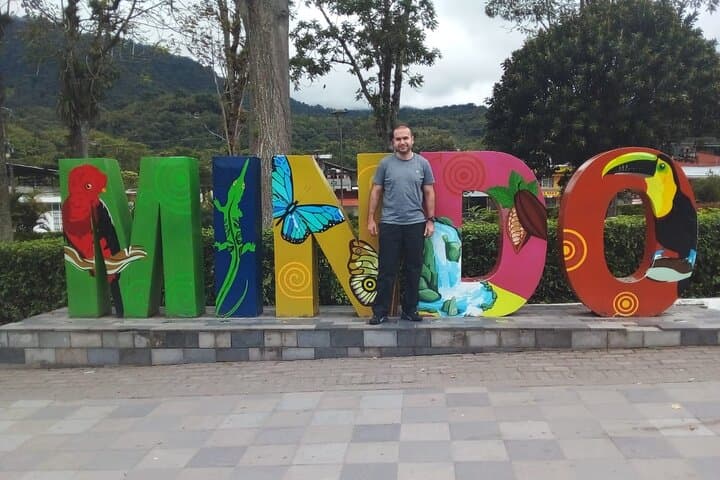
Mindo sits on the western slope of the Ecuadorian Andes where the Pacific watershed meets the cloud forest. The geology is recent and restless — steep volcanic foothills carved by fast rivers — which is why water here is both playful and powerful. The town has grown from small farming roots into an eco-tourism hub that balances local cacao traditions with new adventure services. Cultural life in Mindo blends campesino history with a community of birders, naturalists and chocolatiers who use locally grown cacao and coffee.
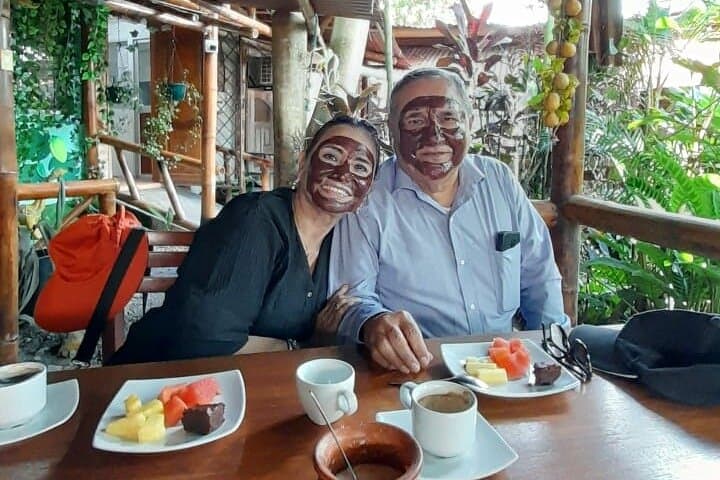
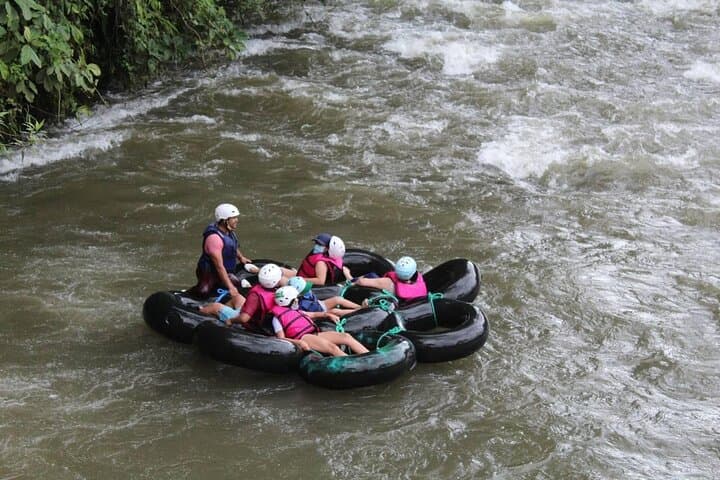
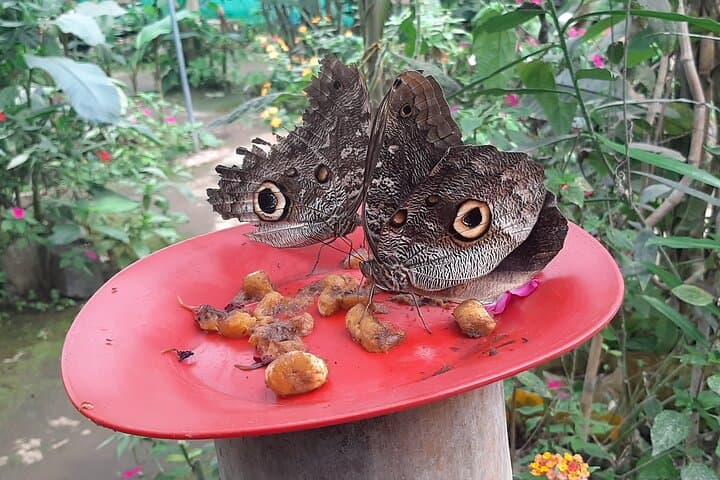
On the ground you move in small bursts: a 3–4 km tubing run along the Mindo River where mellow rapids and playful drops compress into about three hours of float time; a short forest trail (roughly 1 km with ~100 m of undulating elevation change) to the waterfall sanctuary where the water clears into natural pools; and a 60–90 minute visit at a mariposario to watch butterflies emerge in controlled rainforest enclosures. The chocolate portion is less time-sensitive and surprisingly technical — you’ll learn bean-to-bar steps and taste single-origin Ecuadorian chocolate.
Practical notes: tours typically run 8–10 hours, often with hotel pickup in Quito (about 2–2.5 hours each way) or pickup in Mindo if you’re staying locally at ~1,150 m elevation. Bring water-resistant footwear for tubing and the waterfall trail, a small dry bag for electronics, and an extra set of clothes you don’t mind getting wet. Expect damp, changeable weather — lightweight rain protection is essential. Fitness-wise, plan for several short, moderately active segments rather than a single sustained hike.
Safety and etiquette: follow your guide on river sections and tarabita crossings, respect marked paths at the sanctuary, and support local conservation by avoiding single-use plastics and staying on trails. For photographers, the tarabita and waterfall lip give dramatic compositions early or late in the day; for birders, focus on the understory and flowering shrubs where hummingbirds and toucans feed.
By evening you’ll be rubbing chocolate-smeared fingers and replaying a day where water pushed you forward, the forest reached out, and local flavors closed the loop — an efficient, sensory-rich introduction to Ecuador’s cloud forest.
moderate.
8–10 hours.
Moderate — comfortable with short hikes, river entry/exit and several hours of active standing or floating.
Travel time from Quito to Mindo is roughly 2–2.5 hours by road depending on traffic; most tours include roundtrip transport and hotel pickup details are confirmed after booking.
Yes — operators use large floats and life vests; basic swimming skills and following the guide’s instructions are required for safety.
Children can participate but check age and weight restrictions with the operator; parental supervision is required during water activities.
Bring an open mind, a small camera, and any allergy information — tastings include raw and finished chocolate made from local cacao.
Most tour stops offer basic facilities and changing areas near the waterfall site, but facilities are rustic — bring biodegradable wipes if needed.
The drier months (June–September) offer more stable weather for tubing and hiking, though Mindo is rewarding year-round for birding and waterfalls.
Mindo developed as a cloud-forest community dependent on small-scale agriculture and cacao; tourism expanded in recent decades around birding and conservation.
Local guides and lodges promote community-based conservation; stick to trails, avoid littering and support businesses using sustainable cacao.
Kunakkuna Experiences operates guided outdoor trips and adventures with an emphasis on safety, stewardship, and memorable experiences.
The tarabita hums into motion and the forest opens like a living curtain — mist-threaded ferns brush the cable as you cross, and below the Mindo River dares you with white water and glints of sunlight. By midmorning the air tastes of wet earth and chocolate; the guide points out a flash of emerald as a hummingbird darts between heliconias. A full-day loop here moves fast: river tubing, a cable-car forest crossing, a hike to a waterfall sanctuary, a butterfly house visit and a hands-on chocolate tasting that completes the day.
The tarabita hums into motion and the forest opens like a living curtain — mist-threaded ferns brush the cable as you cross, and below the Mindo River dares you with white water and glints of sunlight. By midmorning the air tastes of wet earth and chocolate; the guide points out a flash of emerald as a hummingbird darts between heliconias. A full-day loop here moves fast: river tubing, a cable-car forest crossing, a hike to a waterfall sanctuary, a butterfly house visit and a hands-on chocolate tasting that completes the day.
Mindo sits on the western slope of the Ecuadorian Andes where the Pacific watershed meets the cloud forest. The geology is recent and restless — steep volcanic foothills carved by fast rivers — which is why water here is both playful and powerful. The town has grown from small farming roots into an eco-tourism hub that balances local cacao traditions with new adventure services. Cultural life in Mindo blends campesino history with a community of birders, naturalists and chocolatiers who use locally grown cacao and coffee.
On the ground you move in small bursts: a 3–4 km tubing run along the Mindo River where mellow rapids and playful drops compress into about three hours of float time; a short forest trail (roughly 1 km with ~100 m of undulating elevation change) to the waterfall sanctuary where the water clears into natural pools; and a 60–90 minute visit at a mariposario to watch butterflies emerge in controlled rainforest enclosures. The chocolate portion is less time-sensitive and surprisingly technical — you’ll learn bean-to-bar steps and taste single-origin Ecuadorian chocolate.
Practical notes: tours typically run 8–10 hours, often with hotel pickup in Quito (about 2–2.5 hours each way) or pickup in Mindo if you’re staying locally at ~1,150 m elevation. Bring water-resistant footwear for tubing and the waterfall trail, a small dry bag for electronics, and an extra set of clothes you don’t mind getting wet. Expect damp, changeable weather — lightweight rain protection is essential. Fitness-wise, plan for several short, moderately active segments rather than a single sustained hike.
Safety and etiquette: follow your guide on river sections and tarabita crossings, respect marked paths at the sanctuary, and support local conservation by avoiding single-use plastics and staying on trails. For photographers, the tarabita and waterfall lip give dramatic compositions early or late in the day; for birders, focus on the understory and flowering shrubs where hummingbirds and toucans feed.
By evening you’ll be rubbing chocolate-smeared fingers and replaying a day where water pushed you forward, the forest reached out, and local flavors closed the loop — an efficient, sensory-rich introduction to Ecuador’s cloud forest.