THE ADVENTURE COLLECTIVE® · Independent discovery and booking for outdoor travel

Learn hands-on soapmaking in a relaxed Newark studio—no lye, just melt-and-pour bases, colors and scents. Create 2–4 bars to take home; materials and instruction are included.
Learn hands-on soapmaking in a relaxed Newark studio—no lye, just melt-and-pour bases, colors and scents. Create 2–4 bars to take home; materials and instruction are included.
You enter a bright studio in Newark where the faint citrus of essential oils competes with the distant rumble of commuter traffic. Tables are lined with clear bases, colorants and playful molds; steam rises in thin ribbons as instructors demonstrate how to melt and temper soap without lye. The pace is unhurried but focused—this is craft, not chemistry class.
Verified experiences and guided adventures in the surrounding area.
Operated by The Eclectic Chic Boutique · Newark, New Jersey
You enter a bright studio in Newark where the faint citrus of essential oils competes with the distant rumble of commuter traffic. Tables are lined with clear bases, colorants and playful molds; steam rises in thin ribbons as instructors demonstrate how to melt and temper soap without lye. The pace is unhurried but focused—this is craft, not chemistry class.
Newark’s industrial roots and immigrant neighborhoods shape the backdrop: the city sits in the Newark Basin, a Triassic rift with red sandstones and the Passaic River tracing a low-lying corridor that once powered mills. The Ironbound’s Portuguese and Brazilian influences mean afterward you can grab a strong coffee and a pastel de nata. The studio experience is low-impact, creative and social—ideal for families, bachelorette groups and team-building.
Practically, participants learn how to melt and pour a soap base, add colors and scents, and use molds safely. Expect to make 2–4 bars to take home. Instructors provide materials and tools; no prior experience required. Wear clothes you don’t mind splashing, bring a small box or reusable container for finished bars, and plan to stand for portions of the class. Allergy considerations: fragrance oils can irritate sensitive skin, so disclose sensitivities before mixing. Public transit access makes this an easy indoor option year-round—use the class as a creative pause between urban explorations or as a hands-on way to make functional souvenirs.
easy.
90 minutes.
Minimal physical exertion; participants should be able to stand for short periods and handle small containers.
Each participant typically makes and takes home 2–4 bars depending on mold sizes available.
Yes—classes are family-friendly, but infants must sit on laps; younger children may need supervision during pouring.
The supplier lists tickets as one per booking—check the booking page or contact the operator to reserve individual seats for groups.
Full refunds are available if you cancel at least 24 hours before the scheduled start time.
Newark grew as an industrial and manufacturing center in the 19th century; its neighborhoods reflect waves of immigration, including a strong Portuguese and Brazilian presence in the Ironbound.
Many studios emphasize skin-safe, biodegradable bases and encourage minimal packaging—ask about sustainable fragrance and dye options to reduce environmental impact.
The Eclectic Chic Boutique operates guided outdoor trips and adventures with an emphasis on safety, stewardship, and memorable experiences.
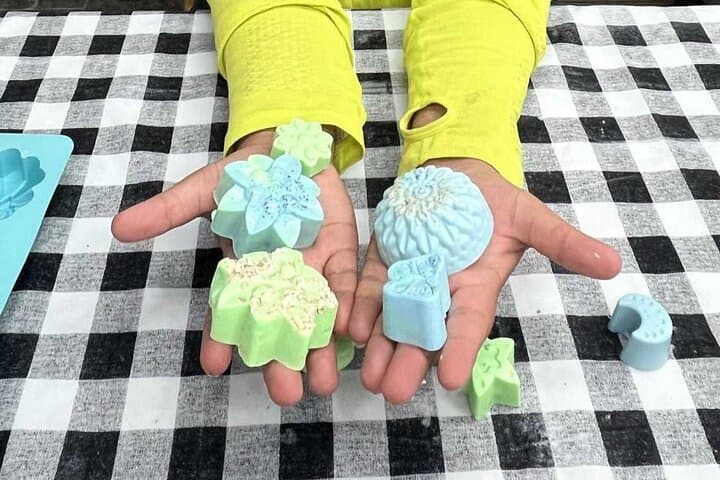
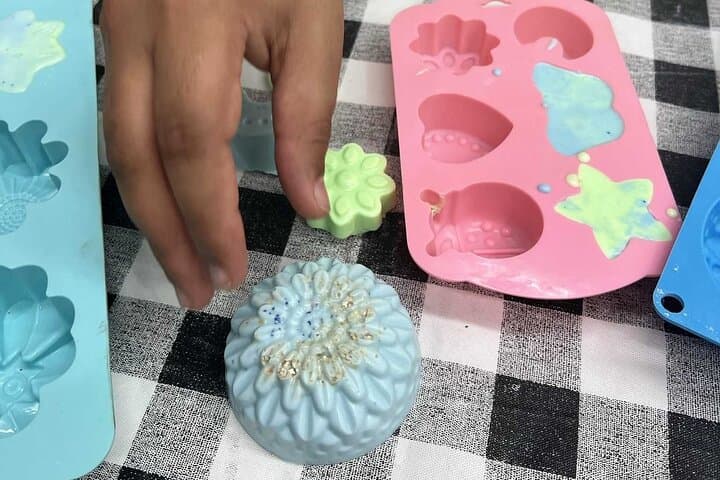
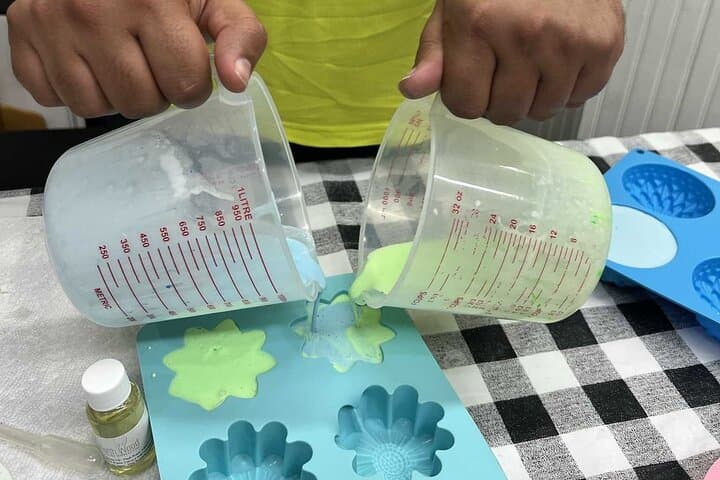
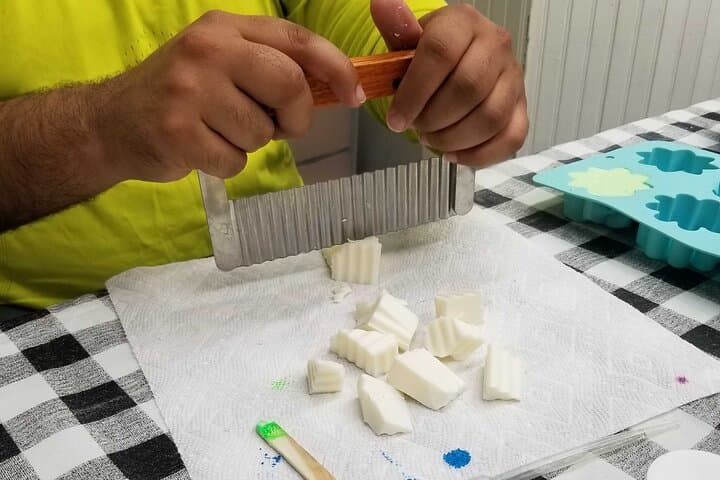
You enter a bright studio in Newark where the faint citrus of essential oils competes with the distant rumble of commuter traffic. Tables are lined with clear bases, colorants and playful molds; steam rises in thin ribbons as instructors demonstrate how to melt and temper soap without lye. The pace is unhurried but focused—this is craft, not chemistry class.
You enter a bright studio in Newark where the faint citrus of essential oils competes with the distant rumble of commuter traffic. Tables are lined with clear bases, colorants and playful molds; steam rises in thin ribbons as instructors demonstrate how to melt and temper soap without lye. The pace is unhurried but focused—this is craft, not chemistry class.
Newark’s industrial roots and immigrant neighborhoods shape the backdrop: the city sits in the Newark Basin, a Triassic rift with red sandstones and the Passaic River tracing a low-lying corridor that once powered mills. The Ironbound’s Portuguese and Brazilian influences mean afterward you can grab a strong coffee and a pastel de nata. The studio experience is low-impact, creative and social—ideal for families, bachelorette groups and team-building.
Practically, participants learn how to melt and pour a soap base, add colors and scents, and use molds safely. Expect to make 2–4 bars to take home. Instructors provide materials and tools; no prior experience required. Wear clothes you don’t mind splashing, bring a small box or reusable container for finished bars, and plan to stand for portions of the class. Allergy considerations: fragrance oils can irritate sensitive skin, so disclose sensitivities before mixing. Public transit access makes this an easy indoor option year-round—use the class as a creative pause between urban explorations or as a hands-on way to make functional souvenirs.