THE ADVENTURE COLLECTIVE® · Independent discovery and booking for outdoor travel

Spend a night under canvas on Meesapulimala and follow a guided, early-morning trek across South India’s dramatic highland ridgeline. This two-day Munnar tour pairs tea-plantation views, an off-road jeep ride and a campfire evening with a local guide-led ascent to high-altitude grasslands.
Spend a night under canvas on Meesapulimala and follow a guided, early-morning trek across South India’s dramatic highland ridgeline. This two-day Munnar tour pairs tea-plantation views, an off-road jeep ride and a campfire evening with a local guide-led ascent to high-altitude grasslands.
The jeep grinds up a private road before dawn, headlights carving a ribbon through tea plantations that seem to inhale the morning mist. By the time you reach Meesapulimala base camp, the sky is a slow, pale promise; canvas tents huddle on a cleared plateau and the thick, resinous scent of pine pushes the campfire smoke into the hills.
Verified experiences and guided adventures in the surrounding area.
Operated by Munnar Day Tours · Munnar, Kerala
The jeep grinds up a private road before dawn, headlights carving a ribbon through tea plantations that seem to inhale the morning mist. By the time you reach Meesapulimala base camp, the sky is a slow, pale promise; canvas tents huddle on a cleared plateau and the thick, resinous scent of pine pushes the campfire smoke into the hills.
Over the next 48 hours this small corner of Kerala demands simple attention: tighten your boot laces, move at the rhythm of the trail, and learn the language of the weather. Meesapulimala (roughly 2,640 m) is often called South India’s second-highest peak — its ridgeline cuts the sky above Munnar, where colonial-era tea planting reshaped the hills and local communities adapted to a new cash crop economy. Underfoot the geology shifts from ancient hill country laterite to streams that have sculpted narrow gullies and grassy balds where rhododendron and pine stand like deliberate sentries.
The tour pairs lowland sightseeing — manicured tea terraces, a calm boat ride on a reservoir, roadside viewpoints — with a night at base camp and a guided 4–5 hour trek into the Meesapulimala slopes. Guides from the region carry local knowledge: which trails dry out after rain, where the early wildflowers bloom, and which patches of grass hold Nilgiri tahr at dusk. Cultural notes thread through the trip: small hamlets where Kerala’s matrilineal traditions and plantation labor histories intersect, and roadside stalls selling strong chai and tapioca that anchor the journey.
Practically, the route isn’t technical: expect steep, uneven trails, short off-road jeep sections, and altitude that makes the air thinner and the nights sharply cool. The hiking day starts very early; your guide times the ascent for weather windows when the summit ridge clears. Evening at camp includes simple meals, a supervised fire, and tented sleeping on foam mattresses — bring layers and sleep warm.
Plan around Kerala’s monsoon: heavy rains close some tracks from June through September. Best windows are October–February for crisp, clear mornings and March–May for bright, expansive views, though daytime heat rises later in that range. Leave no trace: this is an eco-sensitive area with fragile grasslands and endemic wildlife. Bring a headlamp, waterproof layers, and a sense of patience — the mountain rewards those who move deliberately.
Whether you arrive for the tea-country scenery or the highland trek, the Munnar–Meesapulimala loop pairs sensory contrasts — humid plantation valleys and windswept ridgelines — with a compact, well-supported overnight into the mountains.
moderate.
2 days (approx 48 hours).
Suitable for hikers who can manage 4–6 hours of uphill walking on uneven terrain; basic cardiovascular fitness recommended.
No technical experience is required, but you should be comfortable walking 4–6 hours on uneven uphill terrain and able to move at a steady pace.
The itinerary includes round-trip transport from designated pickup points, one night tented accommodation at base camp, meals as listed (breakfast, lunch, dinner), guide and jeep transfers for the trek.
Expect moderate effort: steep sections, rocky paths, and altitude that can make the pace feel harder than sea-level hikes; frequent short breaks help.
Local guides handle necessary permissions for protected areas; guests usually don’t need separate permits but must follow guide instructions.
Infants are permitted but must sit on laps during transport and are not recommended for steep trekking; check the operator’s age guidelines when booking.
Weather is variable — mornings can clear quickly but monsoon months bring heavy rain. The operator may reschedule or cancel for unsafe conditions with refund terms outlined in their policy.
The Munnar hills were transformed in the 19th–20th centuries by British tea planters; many estates and access roads date to that era, shaping local economies and settlement patterns.
Meesapulimala lies in an eco-sensitive highland zone; stay on marked trails, avoid single-use plastics and follow guide instructions to protect fragile grasslands.
Munnar Day Tours operates guided outdoor trips and adventures with an emphasis on safety, stewardship, and memorable experiences.
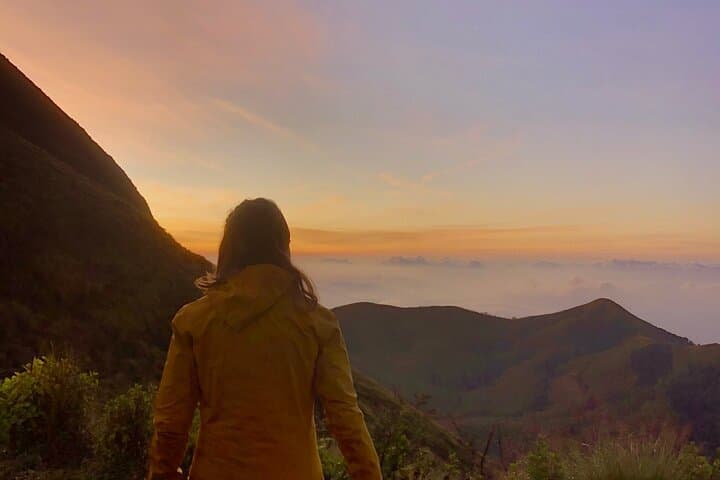
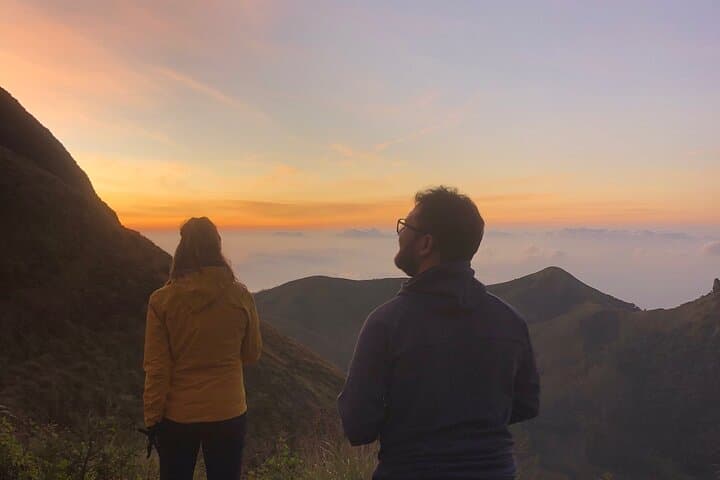
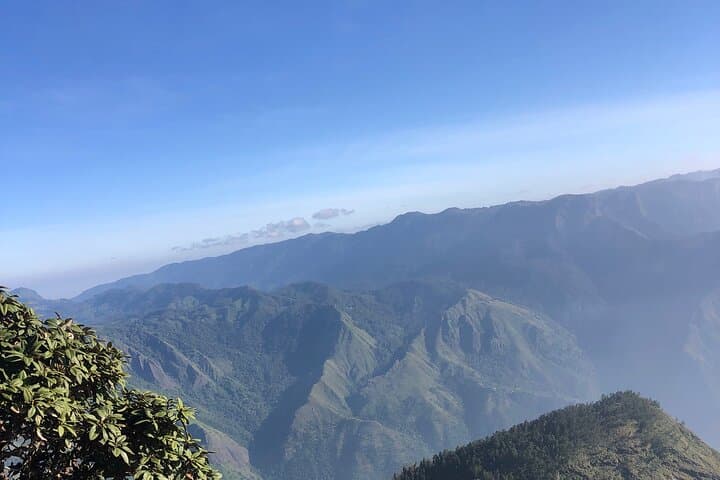
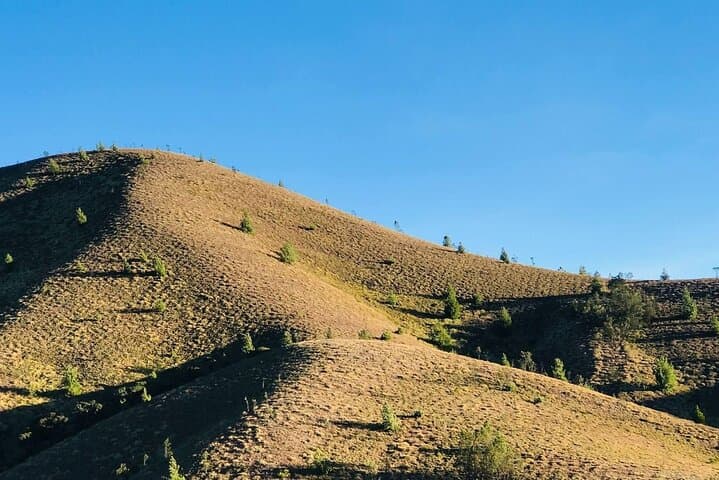
The jeep grinds up a private road before dawn, headlights carving a ribbon through tea plantations that seem to inhale the morning mist. By the time you reach Meesapulimala base camp, the sky is a slow, pale promise; canvas tents huddle on a cleared plateau and the thick, resinous scent of pine pushes the campfire smoke into the hills.
The jeep grinds up a private road before dawn, headlights carving a ribbon through tea plantations that seem to inhale the morning mist. By the time you reach Meesapulimala base camp, the sky is a slow, pale promise; canvas tents huddle on a cleared plateau and the thick, resinous scent of pine pushes the campfire smoke into the hills.
Over the next 48 hours this small corner of Kerala demands simple attention: tighten your boot laces, move at the rhythm of the trail, and learn the language of the weather. Meesapulimala (roughly 2,640 m) is often called South India’s second-highest peak — its ridgeline cuts the sky above Munnar, where colonial-era tea planting reshaped the hills and local communities adapted to a new cash crop economy. Underfoot the geology shifts from ancient hill country laterite to streams that have sculpted narrow gullies and grassy balds where rhododendron and pine stand like deliberate sentries.
The tour pairs lowland sightseeing — manicured tea terraces, a calm boat ride on a reservoir, roadside viewpoints — with a night at base camp and a guided 4–5 hour trek into the Meesapulimala slopes. Guides from the region carry local knowledge: which trails dry out after rain, where the early wildflowers bloom, and which patches of grass hold Nilgiri tahr at dusk. Cultural notes thread through the trip: small hamlets where Kerala’s matrilineal traditions and plantation labor histories intersect, and roadside stalls selling strong chai and tapioca that anchor the journey.
Practically, the route isn’t technical: expect steep, uneven trails, short off-road jeep sections, and altitude that makes the air thinner and the nights sharply cool. The hiking day starts very early; your guide times the ascent for weather windows when the summit ridge clears. Evening at camp includes simple meals, a supervised fire, and tented sleeping on foam mattresses — bring layers and sleep warm.
Plan around Kerala’s monsoon: heavy rains close some tracks from June through September. Best windows are October–February for crisp, clear mornings and March–May for bright, expansive views, though daytime heat rises later in that range. Leave no trace: this is an eco-sensitive area with fragile grasslands and endemic wildlife. Bring a headlamp, waterproof layers, and a sense of patience — the mountain rewards those who move deliberately.
Whether you arrive for the tea-country scenery or the highland trek, the Munnar–Meesapulimala loop pairs sensory contrasts — humid plantation valleys and windswept ridgelines — with a compact, well-supported overnight into the mountains.