THE ADVENTURE COLLECTIVE® · Independent discovery and booking for outdoor travel

A private 3-night, 4-day package that threads Medellín’s city highlights with a full-day trip to Guatapé and the climbable granite monolith of El Peñol. Expect cable cars, street art, and a panoramic reward after ~740 steps.
A private 3-night, 4-day package that threads Medellín’s city highlights with a full-day trip to Guatapé and the climbable granite monolith of El Peñol. Expect cable cars, street art, and a panoramic reward after ~740 steps.
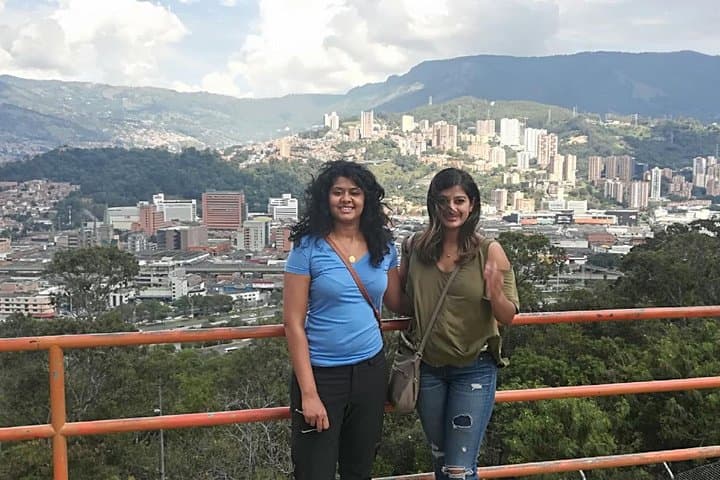
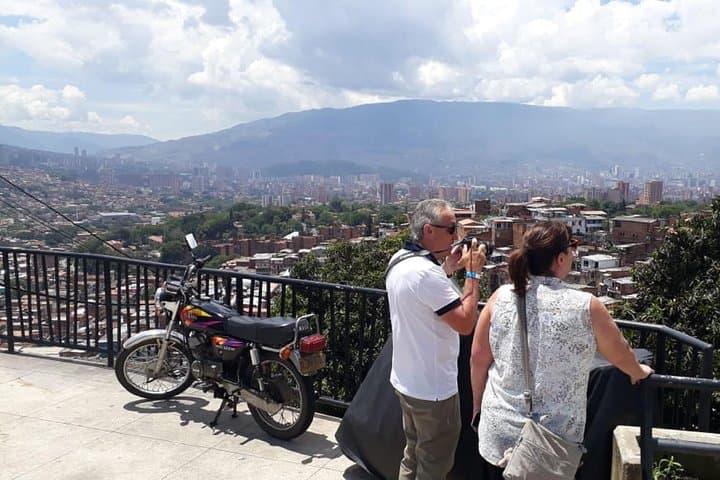
You step off the plane into Medellín’s steady, spring-like air and the city feels unusually easy to breathe. The first morning, a private driver weaves through wide avenues fringed with jacarandas, and before long the Metrocable lifts you skyward—neighborhood rooftops shrinking into a patchwork of clay tile and color. On day two your guide moves with practiced rhythm: stop at Parque Berrío to watch the Botero sculptures, thread through the bright murals of Comuna 13, then ride a cable car across green ridgelines into Parque Arví where trails open like pages in a naturalist’s field guide.
Verified experiences and guided adventures in the surrounding area.
Operated by Medellin City Services · Medellín, Antioquia
You step off the plane into Medellín’s steady, spring-like air and the city feels unusually easy to breathe. The first morning, a private driver weaves through wide avenues fringed with jacarandas, and before long the Metrocable lifts you skyward—neighborhood rooftops shrinking into a patchwork of clay tile and color. On day two your guide moves with practiced rhythm: stop at Parque Berrío to watch the Botero sculptures, thread through the bright murals of Comuna 13, then ride a cable car across green ridgelines into Parque Arví where trails open like pages in a naturalist’s field guide.
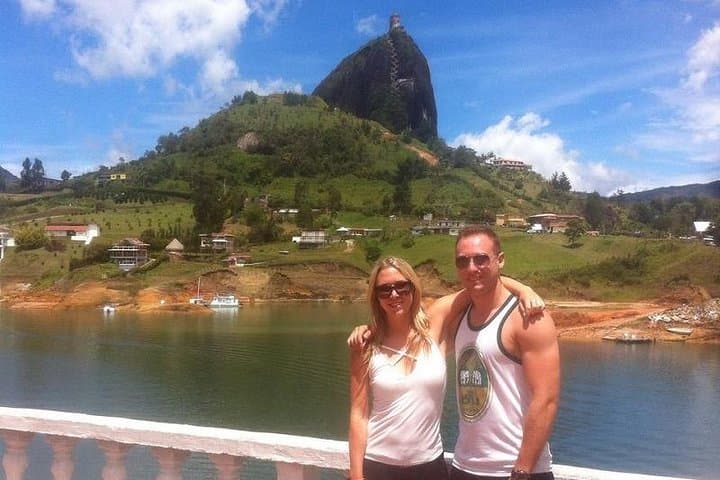
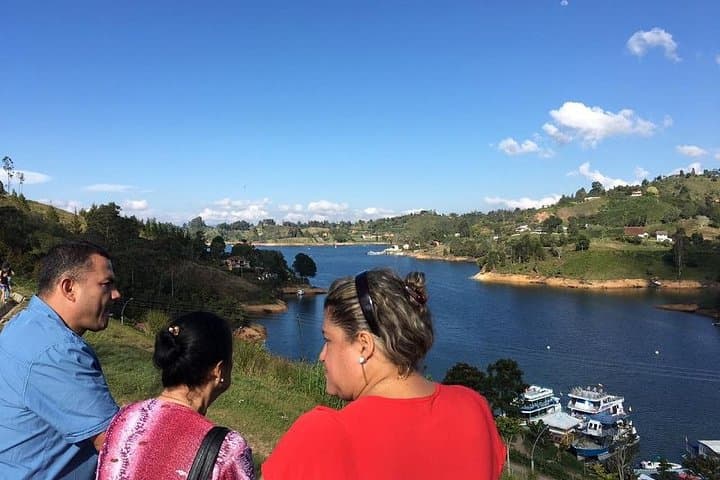
By day three the machine hums toward Guatapé: a two-hour drive east across the Aburrá Valley, the road unspooling into farms and reservoirs. La Piedra del Peñol rises from the lake like an ancient granite spine; the staircase—approximately 740 steps—cuts a human scar up its face. At the top you feel the wind push around the promontory and the lake’s islands stretch outward in a geometry of blue and green.
Medellín’s story is as layered as its neighborhoods. Once known for industry and violent upheaval in the late 20th century, the city’s reinvention is visible in plazas, public transit, and community art programs. The Metrocable and public libraries are civic investments that reshape access; Guatapé, meanwhile, preserves rural life and artisan traditions—its homes painted and edged with zócalos that tell local histories in bright panels.
Geologically, El Peñol is an exposed granite monolith—hard, wind-polished, and steep—standing above a reservoir formed by damming local rivers. Culturally, the town of Guatapé leans into tourism without losing its weekend rhythms: fishermen on dawn boats, coffee being roasted in small batches, and craftsmen painting the bas-reliefs that line the streets.
Practical guide: the packaged itinerary includes hotel pickup and a bilingual private driver; expect 1.5–2 hours each way to Guatapé depending on traffic. The Peñol climb gains roughly 200–220 meters in elevation—moderate exertion and steady footing required. Medellín itself sits at about 1,500 m (4,900 ft), which means cooler mornings and strong midday sun. Carry water (1–2 liters per person for the full-day trip), sunscreen, and a light rain layer—the region sees brief showers, especially April–May and September–November.
Timing matters: start city tours early (9 AM is common) to avoid crowds in Comuna 13 and to catch softer light over the valley. For the Peñol, mid-morning climbs are best—later afternoons fill with tour buses and shifting weather. Bring small cash for local vendors, comfortable shoes for cobbled streets, and a charged camera: the views from both a cable car and a granite summit are why you came.
moderate.
3–4 days.
Moderate fitness; able to handle several hours of walking and a sustained 740-step stair climb with breaks.
Yes — private hotel pickup and drop-off in Medellín are included; specify your hotel when booking.
Typical drive time is 1.5–2 hours each way depending on traffic and exact pickup location.
The staircase has about 740 steps with an elevation gain of roughly 200–220 meters; take breaks and bring water—it's a sustained climb but achievable for most active travelers.
The itinerary notes wheelchair accessibility for certain parts; however, El Peñol’s stair climb is not wheelchair-friendly—ask the operator about alternatives.
Yes — the package includes a bilingual guide (Spanish/English) per the listing.
Tipping isn’t mandatory but is customary; 10–15% of the tour cost shared between guide and driver is appreciated if service is good.
Medellín transformed from a 20th-century industrial center with a violent past into a model of urban innovation, notable for its Metrocable transit and community-focused public works.
Parque Arví and local cooperatives run reforestation and sustainable tourism projects; stick to marked trails and support local artisans to keep tourism benefits local.
Medellin City Services operates guided outdoor trips and adventures with an emphasis on safety, stewardship, and memorable experiences.
You step off the plane into Medellín’s steady, spring-like air and the city feels unusually easy to breathe. The first morning, a private driver weaves through wide avenues fringed with jacarandas, and before long the Metrocable lifts you skyward—neighborhood rooftops shrinking into a patchwork of clay tile and color. On day two your guide moves with practiced rhythm: stop at Parque Berrío to watch the Botero sculptures, thread through the bright murals of Comuna 13, then ride a cable car across green ridgelines into Parque Arví where trails open like pages in a naturalist’s field guide.
You step off the plane into Medellín’s steady, spring-like air and the city feels unusually easy to breathe. The first morning, a private driver weaves through wide avenues fringed with jacarandas, and before long the Metrocable lifts you skyward—neighborhood rooftops shrinking into a patchwork of clay tile and color. On day two your guide moves with practiced rhythm: stop at Parque Berrío to watch the Botero sculptures, thread through the bright murals of Comuna 13, then ride a cable car across green ridgelines into Parque Arví where trails open like pages in a naturalist’s field guide.
By day three the machine hums toward Guatapé: a two-hour drive east across the Aburrá Valley, the road unspooling into farms and reservoirs. La Piedra del Peñol rises from the lake like an ancient granite spine; the staircase—approximately 740 steps—cuts a human scar up its face. At the top you feel the wind push around the promontory and the lake’s islands stretch outward in a geometry of blue and green.
Medellín’s story is as layered as its neighborhoods. Once known for industry and violent upheaval in the late 20th century, the city’s reinvention is visible in plazas, public transit, and community art programs. The Metrocable and public libraries are civic investments that reshape access; Guatapé, meanwhile, preserves rural life and artisan traditions—its homes painted and edged with zócalos that tell local histories in bright panels.
Geologically, El Peñol is an exposed granite monolith—hard, wind-polished, and steep—standing above a reservoir formed by damming local rivers. Culturally, the town of Guatapé leans into tourism without losing its weekend rhythms: fishermen on dawn boats, coffee being roasted in small batches, and craftsmen painting the bas-reliefs that line the streets.
Practical guide: the packaged itinerary includes hotel pickup and a bilingual private driver; expect 1.5–2 hours each way to Guatapé depending on traffic. The Peñol climb gains roughly 200–220 meters in elevation—moderate exertion and steady footing required. Medellín itself sits at about 1,500 m (4,900 ft), which means cooler mornings and strong midday sun. Carry water (1–2 liters per person for the full-day trip), sunscreen, and a light rain layer—the region sees brief showers, especially April–May and September–November.
Timing matters: start city tours early (9 AM is common) to avoid crowds in Comuna 13 and to catch softer light over the valley. For the Peñol, mid-morning climbs are best—later afternoons fill with tour buses and shifting weather. Bring small cash for local vendors, comfortable shoes for cobbled streets, and a charged camera: the views from both a cable car and a granite summit are why you came.