THE ADVENTURE COLLECTIVE® · Independent discovery and booking for outdoor travel

Explore Medellín’s dramatic history and modern resurgence on a private 4–5 hour city tour. Visit the Memory Museum, pose with Botero’s sculptures, and ride the metro cable to Santo Domingo Savio—upgrade to Arví Park for forested views.
Explore Medellín’s dramatic history and modern resurgence on a private 4–5 hour city tour. Visit the Memory Museum, pose with Botero’s sculptures, and ride the metro cable to Santo Domingo Savio—upgrade to Arví Park for forested views.
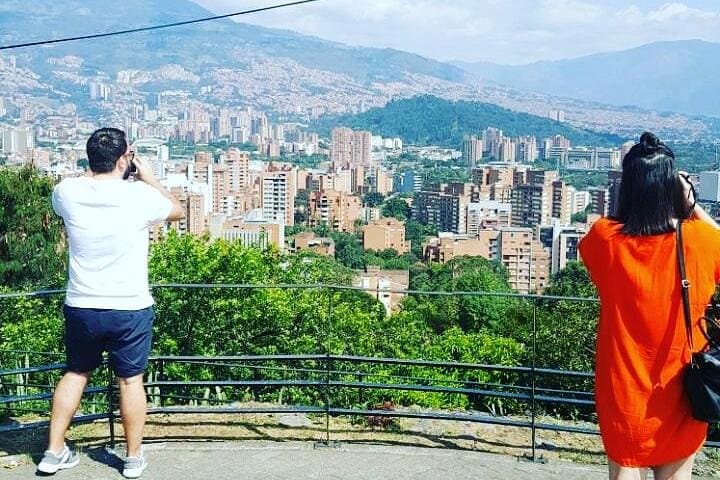
A morning in Medellín begins with the city climbing into view. The van threads through narrow streets where laundry dries over balconies and the Andes slope up in green bands; the air smells faintly of coffee and exhaust. Guests meet a guide, slip into the metro car, and the rhythm of the city becomes a travelogue: murals flash by, vendors nod, and the cable car lifts the group above neighborhoods that once felt cut off. At the Santo Domingo Savio lookout, the city spreads—concrete terraces meeting cloud and canyon—an honest, kinetic panorama that asks you to look closer.
Verified experiences and guided adventures in the surrounding area.
Operated by Medellin Travels · Medellín, Antioquia
A morning in Medellín begins with the city climbing into view. The van threads through narrow streets where laundry dries over balconies and the Andes slope up in green bands; the air smells faintly of coffee and exhaust. Guests meet a guide, slip into the metro car, and the rhythm of the city becomes a travelogue: murals flash by, vendors nod, and the cable car lifts the group above neighborhoods that once felt cut off. At the Santo Domingo Savio lookout, the city spreads—concrete terraces meeting cloud and canyon—an honest, kinetic panorama that asks you to look closer.
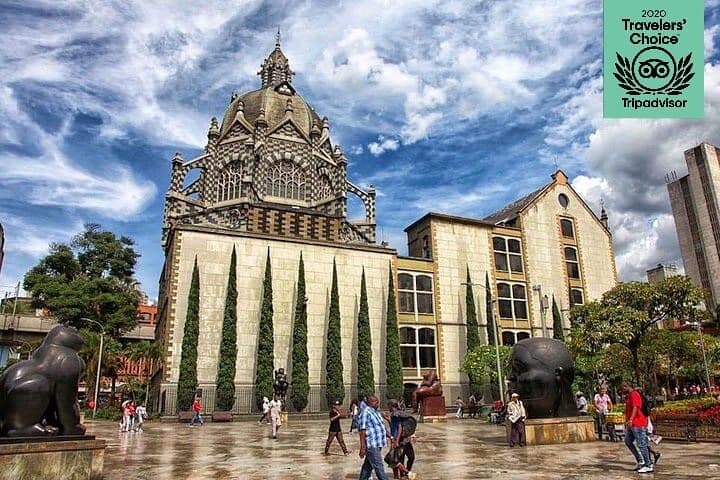
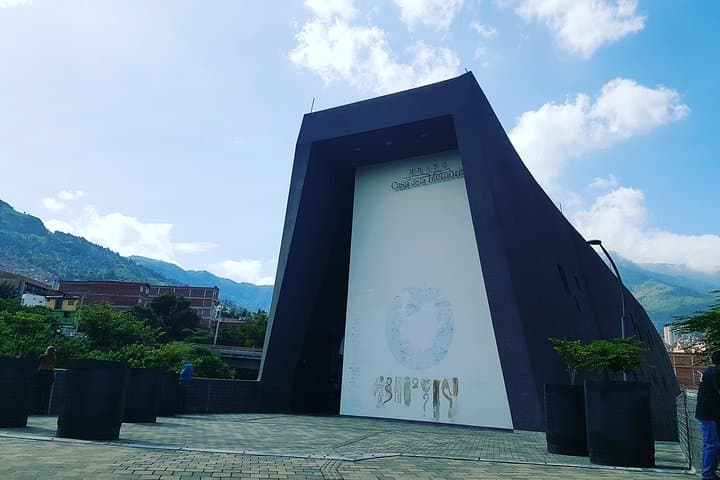
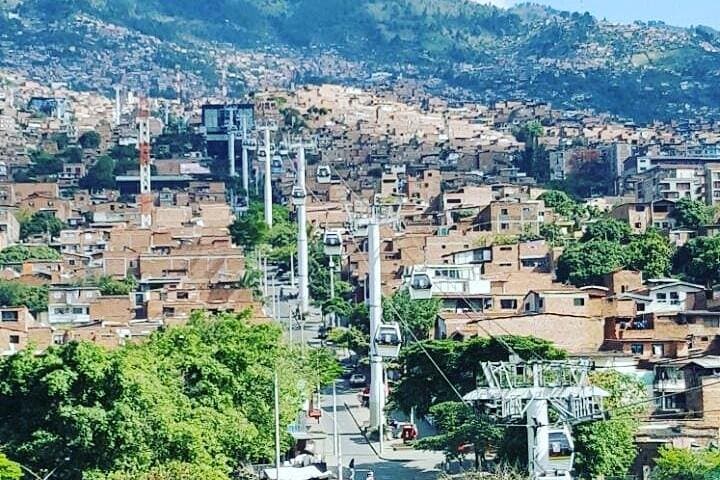
This 4–5 hour private tour stitches together Medellín’s contrasting chapters. The Memory Museum frames the late 20th-century violence and the city’s recovery through personal stories and archival displays; it’s a sober introduction to why Medellín’s transformation matters. Downtown shifts the tempo: Plaza Botero and Fernando Botero’s outsized bronze sculptures create playful, photographic moments against the more austere lines of the Rafael Uribe Uribe Cultural Palace and colonial churches like La Veracruz and the minor basilica. The metro and its aerial cable aren’t just transport—they’re social infrastructure, engineered in the 1990s to link hillside barrios to the urban core and now a civic lifeline.
Geology and urbanism intertwine here. Medellín sits in the Aburrá Valley, a river-cut trough between Andean ridges; neighborhoods climb steeply, and the city’s cable systems were built to bridge that verticality. Local culture is present in markets and plazas: coffee shops in El Poblado, street art in Santo Domingo, and community projects that pair tourism with education.
Practical guidance: the itinerary includes hotel pickup in Poblado and Laureles, walking around downtown, a 30–40 minute museum visit, and a metro+metro cable ride with an optional upgrade to Arví Park (extra fee, adds ~90–120 minutes). Comfortable walking shoes and a light rain layer are smart—expect several short walks and stairs. Allow time for traffic; pickups begin earlier than listed and guides ask guests to be ready 10 minutes before departure.
Accessibility and safety are practical strengths: the tour is wheelchair and stroller accessible in many transfer segments, and private guides manage the pace for mixed fitness groups. Photographers should keep an eye out at the lookout points and Botero’s plaza for postcard framing. If you’re curious about deeper context, ask your guide about the community programs they support—the tour often connects visitors to local foundations working with neighborhood youth.
For travelers who want history, civic insight, and a sense of Medellín’s present-day pulse, this compact tour balances narrative and logistics: a measured, on-the-ground way to understand a city that keeps remaking itself.
easy.
4–5 hours.
Suitable for most fitness levels—expect several short walks and use of public transport; the pace is moderate.
Yes—transport and many itinerary stops are wheelchair accessible; notify the operator at booking so they can plan pickup and routing.
Yes, there’s an optional upgrade for Arví Park that adds about 90–120 minutes and includes the additional cable trip; it costs extra and should be requested in advance if possible.
Some sites are viewed from outside (e.g., Botero sculptures, plazas); the Memory Museum and certain stops include inside visits—your guide will confirm access on the day.
The tour operator provides professional certified guides—confirm language preference at booking to ensure an English-speaking guide if needed.
Hotel pickups are offered in El Poblado and Laureles—other pickup points can be arranged but must be confirmed at booking.
Full refund is available if you cancel at least 24 hours before the scheduled departure time.
Medellín transformed from a violent past in the 1980s–90s to a model of urban innovation—public transit and social programs played major roles in that shift.
Arví Park is managed for conservation and sustainable tourism; visitors are encouraged to stick to trails and support local eco-guides.
Medellin Travels operates guided outdoor trips and adventures with an emphasis on safety, stewardship, and memorable experiences.
A morning in Medellín begins with the city climbing into view. The van threads through narrow streets where laundry dries over balconies and the Andes slope up in green bands; the air smells faintly of coffee and exhaust. Guests meet a guide, slip into the metro car, and the rhythm of the city becomes a travelogue: murals flash by, vendors nod, and the cable car lifts the group above neighborhoods that once felt cut off. At the Santo Domingo Savio lookout, the city spreads—concrete terraces meeting cloud and canyon—an honest, kinetic panorama that asks you to look closer.
A morning in Medellín begins with the city climbing into view. The van threads through narrow streets where laundry dries over balconies and the Andes slope up in green bands; the air smells faintly of coffee and exhaust. Guests meet a guide, slip into the metro car, and the rhythm of the city becomes a travelogue: murals flash by, vendors nod, and the cable car lifts the group above neighborhoods that once felt cut off. At the Santo Domingo Savio lookout, the city spreads—concrete terraces meeting cloud and canyon—an honest, kinetic panorama that asks you to look closer.
This 4–5 hour private tour stitches together Medellín’s contrasting chapters. The Memory Museum frames the late 20th-century violence and the city’s recovery through personal stories and archival displays; it’s a sober introduction to why Medellín’s transformation matters. Downtown shifts the tempo: Plaza Botero and Fernando Botero’s outsized bronze sculptures create playful, photographic moments against the more austere lines of the Rafael Uribe Uribe Cultural Palace and colonial churches like La Veracruz and the minor basilica. The metro and its aerial cable aren’t just transport—they’re social infrastructure, engineered in the 1990s to link hillside barrios to the urban core and now a civic lifeline.
Geology and urbanism intertwine here. Medellín sits in the Aburrá Valley, a river-cut trough between Andean ridges; neighborhoods climb steeply, and the city’s cable systems were built to bridge that verticality. Local culture is present in markets and plazas: coffee shops in El Poblado, street art in Santo Domingo, and community projects that pair tourism with education.
Practical guidance: the itinerary includes hotel pickup in Poblado and Laureles, walking around downtown, a 30–40 minute museum visit, and a metro+metro cable ride with an optional upgrade to Arví Park (extra fee, adds ~90–120 minutes). Comfortable walking shoes and a light rain layer are smart—expect several short walks and stairs. Allow time for traffic; pickups begin earlier than listed and guides ask guests to be ready 10 minutes before departure.
Accessibility and safety are practical strengths: the tour is wheelchair and stroller accessible in many transfer segments, and private guides manage the pace for mixed fitness groups. Photographers should keep an eye out at the lookout points and Botero’s plaza for postcard framing. If you’re curious about deeper context, ask your guide about the community programs they support—the tour often connects visitors to local foundations working with neighborhood youth.
For travelers who want history, civic insight, and a sense of Medellín’s present-day pulse, this compact tour balances narrative and logistics: a measured, on-the-ground way to understand a city that keeps remaking itself.