
Materuni Waterfall Hike and Coffee Tour with Chemka (Chemka/Kikuletwa) Hot Springs Day Trip from Moshi
A single day that stitches a hike to an 80‑meter waterfall with a family‑led coffee demonstration and a dip in warm turquoise springs. This Moshi‑based tour delivers geology, culture, and a refreshing finish at Chemka Hot Springs.
An Adventure In Moshi.
A single day that stitches a hike to an 80‑meter waterfall with a family‑led coffee demonstration and a dip in warm turquoise springs. This Moshi‑based tour delivers geology, culture, and a refreshing finish at Chemka Hot Springs.
Read the full experience
You step off the rickety tuk‑tuk onto a narrow path where smoke from wood fires curls through banana leaves and the air tastes like wet earth and roasted beans.
You step off the rickety tuk‑tuk onto a narrow path where smoke from wood fires curls through banana leaves and the air tastes like wet earth and roasted beans.
The trail to Materuni Falls drops quickly through smallholder farms—coffee trees shoulder-to-shoulder with tall bananas—until the valley opens and the waterfall makes itself known: an 80‑meter ribbon of water cleaving a dark lava face into a blue pool. The sound of the cascade fills the clearing, as if the mountain is reminding you where its water begins.
This is Chagga country, the densely populated, agriculturally rich slopes on the southern flank of Mount Kilimanjaro. The Chagga people shaped the landscape with terraced farms and introduced intensive shade-grown Arabica cultivation that thrives in the volcanic soils here. Geologically, the falls drain Kilimanjaro’s highland runoffs; the stream’s clarity and steady flow reflect the mountain’s elevation-fed aquifers.
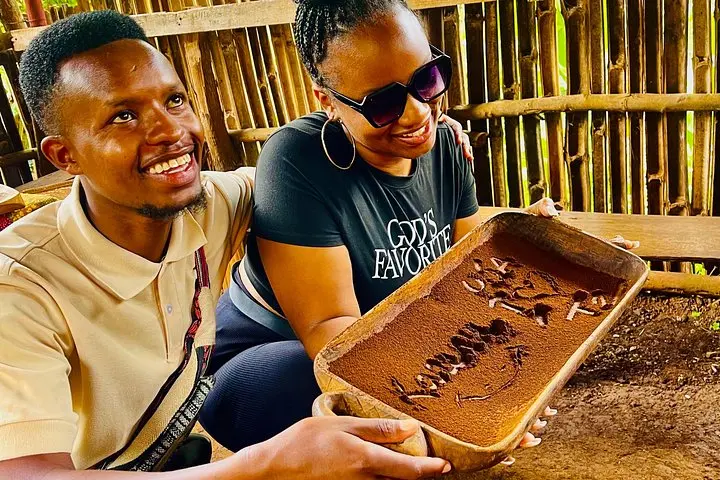
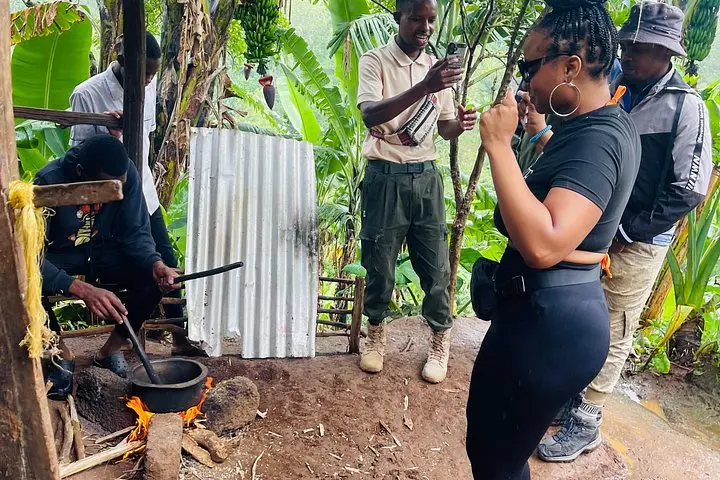
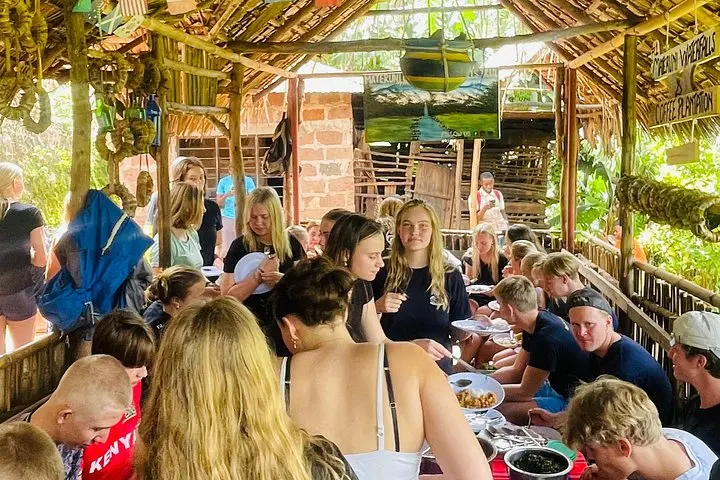
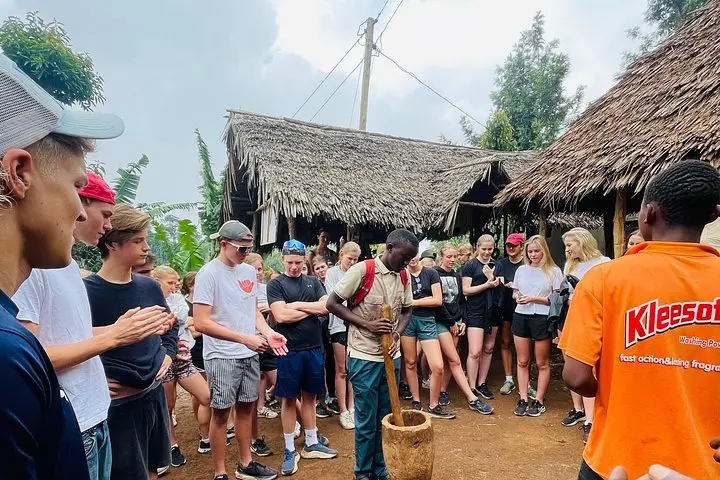
The day blends a rhythmic hike with cultural immersion. Local guides explain coffee processing the way families have for generations—hand‑picking ripe cherries, sun‑drying, pounding beans on wooden boards and roasting over open flame—culminating in a small, strong cup brewed the Chagga way. Lunch follows: a hot plate of locally sourced vegetables, rice or ugali, and lean meat prepared by village cooks.
After the village visit, the tuk‑tuk ride becomes part of the itinerary—an intimate, open-air commute across farmland to Chemka Hot Springs (Kikuletwa). Here clear, warm turquoise pools sit shaded beneath fig and palm, fed by an underground spring that makes the water unusually constant in temperature. It’s an easy, restorative swim—an antidote to the return climb to the trailhead.
Practicalities matter: the Materuni hike is roughly 3–4 km round trip with 150–300 m of elevation change depending on route choices; expect uneven stone and muddy stretches after rain. The full experience runs 9–10 hours from Moshi, including transport time. Guides handle logistics, admission, and lunch; bring cash for souvenirs and tips.
For photographers, the falls are best in morning light when mist and backlit spray catch the sun. For comfort, wear trail shoes that can handle slick rocks, carry a swimsuit and quick‑dry towel for Chemka, and pack insect repellent—the valley is lush and alive.
The tour balances outdoor movement, culture, and a natural thermal soak—an efficient, human‑scaled way to experience Kilimanjaro’s lower slopes without climbing the mountain itself. Respect the communities that host you: buy coffee locally, follow trail guidance, and avoid soaps in the springs to keep these water sources clear for locals and future visitors alike.
Frequently asked questions
Expect roughly 3–4 km round trip with 150–300 m of elevation change depending on the route—allow 1.5–2 hours including stops.
Yes—many families visit; however supervise children closely and follow the guide’s instructions about depths and currents.
Yes—small bills for tips, buying coffee or snacks in the village, and any extras are recommended; some places may accept cards but mainly cash is easier.
The itinerary notes wheelchair accessible options for transport, but the waterfall trail involves uneven steps—check with the operator to customize the day if mobility is limited.
Comfortable, modest clothing that can get dusty; a hat and closed‑toe shoes are recommended for walking through farms.
Generally yes—thermally fed pools have a stable temperature, but access can be affected by seasonal rains or maintenance; your operator will confirm on the day.
About This Experience
PALE TOURS AND ADVENTURE operates guided outdoor trips and adventures with an emphasis on safety, stewardship, and memorable experiences.
Adventure tips
Recommended gear
- Sturdy hiking shoes: Protects ankles and provides traction on rocky, sometimes muddy trails.
- Swimsuit and quick‑dry towel: For a comfortable swim at Chemka Hot Springs and faster drying afterwards.
- Light rain shell: Short rains can make the trail wet—pack a breathable shell to stay dry and warm.
- Reusable water bottle (1–2L): Hydration is key during the hike and the tuk‑tuk transfers; guides may provide bottled water but a refillable bottle reduces waste.
Photos of the experience
Related adventures & guides
Read the full experience
You step off the rickety tuk‑tuk onto a narrow path where smoke from wood fires curls through banana leaves and the air tastes like wet earth and roasted beans.
You step off the rickety tuk‑tuk onto a narrow path where smoke from wood fires curls through banana leaves and the air tastes like wet earth and roasted beans.
The trail to Materuni Falls drops quickly through smallholder farms—coffee trees shoulder-to-shoulder with tall bananas—until the valley opens and the waterfall makes itself known: an 80‑meter ribbon of water cleaving a dark lava face into a blue pool. The sound of the cascade fills the clearing, as if the mountain is reminding you where its water begins.
This is Chagga country, the densely populated, agriculturally rich slopes on the southern flank of Mount Kilimanjaro. The Chagga people shaped the landscape with terraced farms and introduced intensive shade-grown Arabica cultivation that thrives in the volcanic soils here. Geologically, the falls drain Kilimanjaro’s highland runoffs; the stream’s clarity and steady flow reflect the mountain’s elevation-fed aquifers.
The day blends a rhythmic hike with cultural immersion. Local guides explain coffee processing the way families have for generations—hand‑picking ripe cherries, sun‑drying, pounding beans on wooden boards and roasting over open flame—culminating in a small, strong cup brewed the Chagga way. Lunch follows: a hot plate of locally sourced vegetables, rice or ugali, and lean meat prepared by village cooks.
After the village visit, the tuk‑tuk ride becomes part of the itinerary—an intimate, open-air commute across farmland to Chemka Hot Springs (Kikuletwa). Here clear, warm turquoise pools sit shaded beneath fig and palm, fed by an underground spring that makes the water unusually constant in temperature. It’s an easy, restorative swim—an antidote to the return climb to the trailhead.
Practicalities matter: the Materuni hike is roughly 3–4 km round trip with 150–300 m of elevation change depending on route choices; expect uneven stone and muddy stretches after rain. The full experience runs 9–10 hours from Moshi, including transport time. Guides handle logistics, admission, and lunch; bring cash for souvenirs and tips.
For photographers, the falls are best in morning light when mist and backlit spray catch the sun. For comfort, wear trail shoes that can handle slick rocks, carry a swimsuit and quick‑dry towel for Chemka, and pack insect repellent—the valley is lush and alive.
The tour balances outdoor movement, culture, and a natural thermal soak—an efficient, human‑scaled way to experience Kilimanjaro’s lower slopes without climbing the mountain itself. Respect the communities that host you: buy coffee locally, follow trail guidance, and avoid soaps in the springs to keep these water sources clear for locals and future visitors alike.
Make a day of it nearby.
Verified experiences and guided adventures in the surrounding area.