THE ADVENTURE COLLECTIVE® · Independent discovery and booking for outdoor travel

Float three easy miles down the Martha Brae in a traditional bamboo raft guided by a local captain. This relaxed river trip from Montego Bay blends gentle scenery, local history, and hands-on cultural moments—ideal for travelers seeking an unhurried slice of Jamaica.
Float three easy miles down the Martha Brae in a traditional bamboo raft guided by a local captain. This relaxed river trip from Montego Bay blends gentle scenery, local history, and hands-on cultural moments—ideal for travelers seeking an unhurried slice of Jamaica.
You step off the shuttle into humid air scented with damp earth and sweet cane. The Martha Brae River moves slow and sure—a green ribbon threading through limestone banks, palms leaning in to peer at rafts as if checking on their passengers. A thatched launch waits; your raft captain stands barefoot on a bamboo pole, the same long shaft he will use to steer and to punctuate stories about the river and the people who have lived beside it for centuries.
Verified experiences and guided adventures in the surrounding area.
Operated by Trust Tours & Transportation LTD · Montego Bay, St James
You step off the shuttle into humid air scented with damp earth and sweet cane. The Martha Brae River moves slow and sure—a green ribbon threading through limestone banks, palms leaning in to peer at rafts as if checking on their passengers. A thatched launch waits; your raft captain stands barefoot on a bamboo pole, the same long shaft he will use to steer and to punctuate stories about the river and the people who have lived beside it for centuries.
This three-mile downstream float is as much cultural timepiece as scenic ride. The Martha Brae runs through Trelawny, a parish shaped by sugar plantations, Maroon resistance, and small riverside communities. Geologically, its valley cuts through uplifted limestone and alluvial flats, creating deep pools and gentle riffles where freshwater plants take root. Raft captains—many from families who have worked these waters for generations—double as informal guides, pointing out mangrove roots, medicinal plants, and the occasional kingfisher hovering like a punctuation mark above the current.
The experience is intentionally relaxed. Traditional bamboo rafts, crafted from bound poles and built to glide rather than race, demand a patience that feels rare in modern travel. Along the way, captains often sing or tell island lore: stories of plantation-era sugar mills upriver, of wrecked ships that lent names to places, and of the small, resilient communities that still make a living from river, cane, and craft.
Practicalities are simple but worth reading. The float itself takes roughly 60–90 minutes; the full tour from Montego Bay, including transport and a short orientation, runs 2–3 hours. Wear quick-dry shorts and secure shoes or water sandals—the launch can be slick. Bring reef-safe sunscreen, a reusable water bottle, and a small dry bag for phones. Mornings are cooler, with softer light and fewer boats; late afternoon offers golden reflections but watch for shifting weather.
Captains pole the rafts through narrow bends and broad pools—your job is to sit back, steady yourself, and listen. Respect local customs: ask before photographing people, avoid feeding wildlife, and follow your captain’s safety briefing. Many tours include hotel pickup and a staffed dock, making this a low-effort way to experience Jamaica’s inland calm.
For travelers who want more than a scenic float, combine the trip with a visit to nearby Falmouth or a stop at a riverside jerk stand to taste fresh, smoky flavors. The Martha Brae is not a whitewater thrill; it’s a paced, sensory route into the island’s landscape and stories—perfect for travelers who want to slow the clock without losing the sense of an authentic place.
easy.
2–3 hours.
Suitable for most fitness levels; requires the ability to step on/off a raft and remain seated for up to 90 minutes.
The raft portion is about 60–90 minutes; total door-to-door time from Montego Bay is usually 2–3 hours depending on pickup.
Yes—rafts are stable and captains assist with boarding; tours list the activity as suitable for all fitness levels, but people with limited mobility should notify the operator.
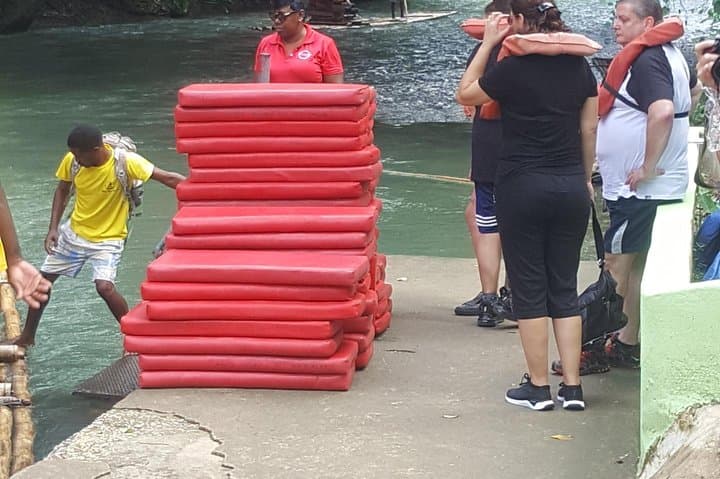
Most operators carry life jackets and will provide them on request—ask during booking or at check-in if you want one fitted.
Tipping is customary in Jamaica; a small cash tip for the captain is appreciated for their service and stories.
Yes, but secure devices in a dry bag or waterproof case—the raft can be stable but splashes happen.
Many tours from Montego Bay include hotel pickup and drop-off; confirm pickup time and meeting location when you book.
The Martha Brae corridor runs through old sugar-plantation country; rafts and riverside livelihoods have long been part of the parish’s economy and oral histories shared by local guides.
Operators encourage use of reef-safe sunscreen and responsible waste practices; support small local businesses and avoid single-use plastics to minimize impact.
Trust Tours & Transportation LTD operates guided outdoor trips and adventures with an emphasis on safety, stewardship, and memorable experiences.
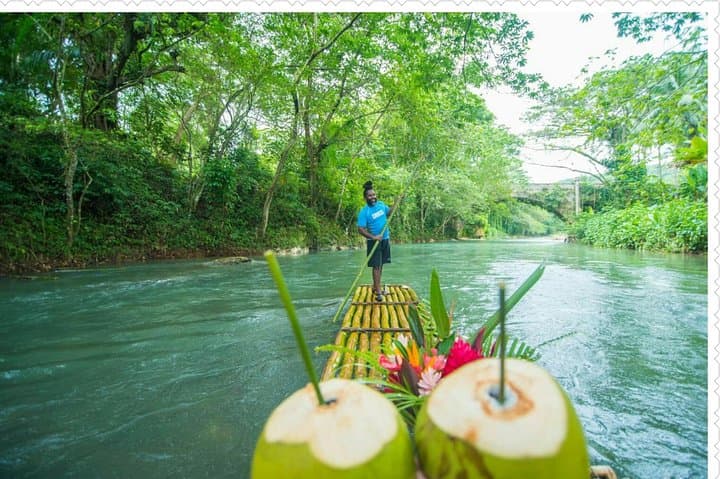
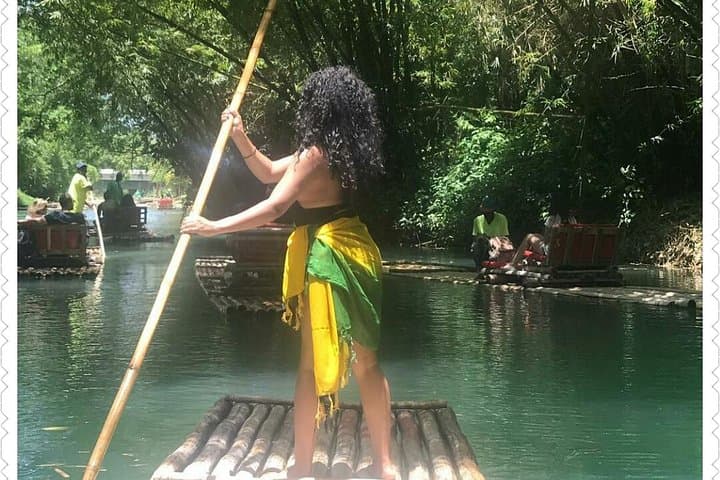
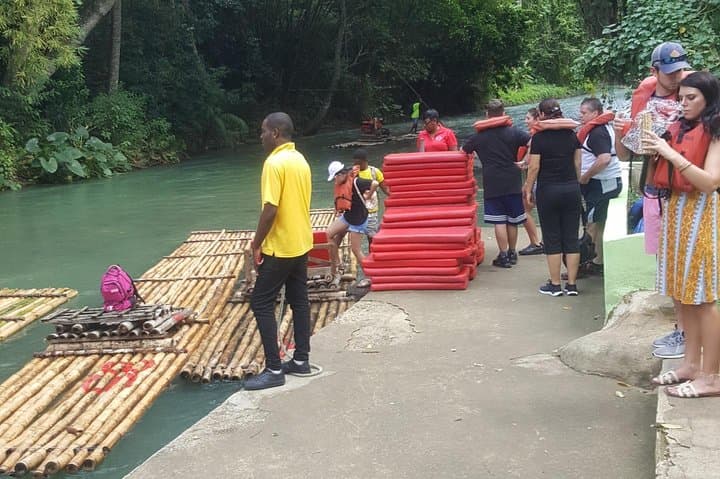
You step off the shuttle into humid air scented with damp earth and sweet cane. The Martha Brae River moves slow and sure—a green ribbon threading through limestone banks, palms leaning in to peer at rafts as if checking on their passengers. A thatched launch waits; your raft captain stands barefoot on a bamboo pole, the same long shaft he will use to steer and to punctuate stories about the river and the people who have lived beside it for centuries.
You step off the shuttle into humid air scented with damp earth and sweet cane. The Martha Brae River moves slow and sure—a green ribbon threading through limestone banks, palms leaning in to peer at rafts as if checking on their passengers. A thatched launch waits; your raft captain stands barefoot on a bamboo pole, the same long shaft he will use to steer and to punctuate stories about the river and the people who have lived beside it for centuries.
This three-mile downstream float is as much cultural timepiece as scenic ride. The Martha Brae runs through Trelawny, a parish shaped by sugar plantations, Maroon resistance, and small riverside communities. Geologically, its valley cuts through uplifted limestone and alluvial flats, creating deep pools and gentle riffles where freshwater plants take root. Raft captains—many from families who have worked these waters for generations—double as informal guides, pointing out mangrove roots, medicinal plants, and the occasional kingfisher hovering like a punctuation mark above the current.
The experience is intentionally relaxed. Traditional bamboo rafts, crafted from bound poles and built to glide rather than race, demand a patience that feels rare in modern travel. Along the way, captains often sing or tell island lore: stories of plantation-era sugar mills upriver, of wrecked ships that lent names to places, and of the small, resilient communities that still make a living from river, cane, and craft.
Practicalities are simple but worth reading. The float itself takes roughly 60–90 minutes; the full tour from Montego Bay, including transport and a short orientation, runs 2–3 hours. Wear quick-dry shorts and secure shoes or water sandals—the launch can be slick. Bring reef-safe sunscreen, a reusable water bottle, and a small dry bag for phones. Mornings are cooler, with softer light and fewer boats; late afternoon offers golden reflections but watch for shifting weather.
Captains pole the rafts through narrow bends and broad pools—your job is to sit back, steady yourself, and listen. Respect local customs: ask before photographing people, avoid feeding wildlife, and follow your captain’s safety briefing. Many tours include hotel pickup and a staffed dock, making this a low-effort way to experience Jamaica’s inland calm.
For travelers who want more than a scenic float, combine the trip with a visit to nearby Falmouth or a stop at a riverside jerk stand to taste fresh, smoky flavors. The Martha Brae is not a whitewater thrill; it’s a paced, sensory route into the island’s landscape and stories—perfect for travelers who want to slow the clock without losing the sense of an authentic place.