THE ADVENTURE COLLECTIVE® · Independent discovery and booking for outdoor travel

Walk Marbella beyond the beaches: a two-hour private stroll through narrow Moorish lanes, historic squares, and a concluding extra-virgin olive oil tasting when available. Perfect for travelers who want local history, architecture, and flavors in one compact experience.
Walk Marbella beyond the beaches: a two-hour private stroll through narrow Moorish lanes, historic squares, and a concluding extra-virgin olive oil tasting when available. Perfect for travelers who want local history, architecture, and flavors in one compact experience.
You step off the sun-warmed promenade into a pocket of narrow lanes where whitewashed walls keep the afternoon heat in check and the Mediterranean breeze nudges you like a companion guiding the way. The tour begins at the ornate fountain of Virgen del Rocío in Alameda Park, where orange trees throw dappled shade and your guide folds local history into conversation as easily as a map.
Verified experiences and guided adventures in the surrounding area.
Operated by Tour Marbella · Marbella, Andalusia
You step off the sun-warmed promenade into a pocket of narrow lanes where whitewashed walls keep the afternoon heat in check and the Mediterranean breeze nudges you like a companion guiding the way. The tour begins at the ornate fountain of Virgen del Rocío in Alameda Park, where orange trees throw dappled shade and your guide folds local history into conversation as easily as a map.
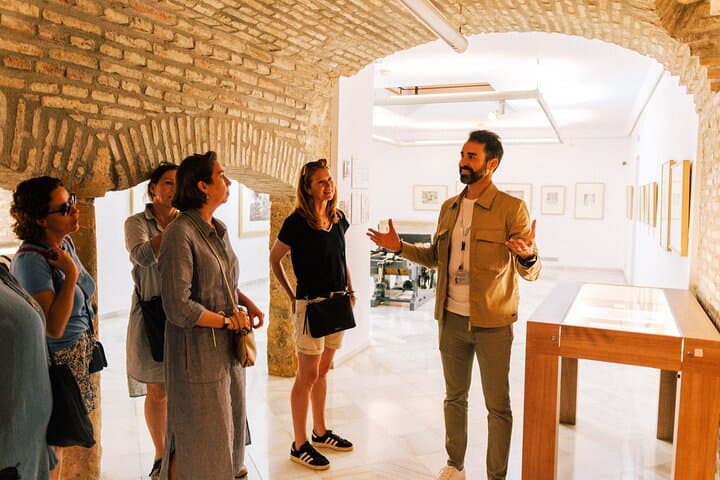
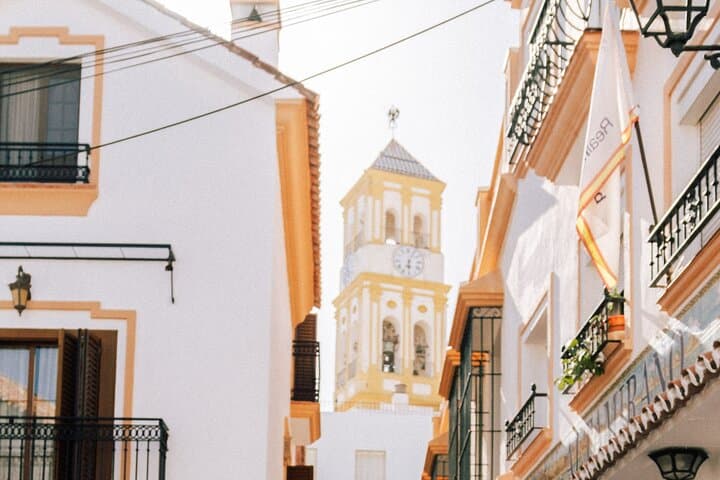
Marbella’s Old Town shows its history in layers: Roman foundations, an Arabic medina pattern of winding alleys, and a 16th-century Castilian square that replaced part of the moorish grid. Stones underfoot can be centuries old; fragments of medieval walls peek out between cafés. The district’s compact scale is its charm—squares, a cozy 16th-century chapel, the Old Bazán Hospital now home to the National Engraving Museum, and avenues punctuated by Salvador Dalí sculptures where art and daily life meet.
The geology is simple: coastal sedimentary plains that gave way to limestone hills inland, which historically made Marbella a crossroads rather than a fortress. Culturally, the town still tastes of Andalusia—olive oil, tapas, and a stubborn pride in local producers. The tasting at the end of the walk, when available, is not a gimmick; it’s a hands-on way to understand the flavor profile that shaped regional cooking for centuries.
Practicalities are straightforward. The private tour lasts about two hours and moves at a conversational pace across mostly flat, cobblestone streets—expect intermittent steps and tight passageways. The meeting point is easy to find in Alameda Park by the fountain; the tour ends near Marbella’s most famous square, with time to linger at a café. Accessibility is good: the route and many venues are wheelchair-friendly, though cobbles can make wheels bumpy.
Bring sensible footwear and a refillable water bottle, and plan for sun—shaded breaks are few in summer. If you want the olive oil tasting, check opening times in advance; it depends on the shop’s schedule. Because the tour is private, ask your guide to tailor stops—history, architecture, or gastronomy can be emphasized depending on your interests.
On a practical note: keep a light jacket for spring or autumn evenings, carry small change for museum entries or a café stop, and store larger bags at your hotel—lanes are narrow. Whether you’re here for the history, the food, or the feel of an old town that still moves at its own pace, this two-hour circuit gives a compact, flavorful introduction to Marbella beyond the beach.
easy.
1.5–2 hours.
Suitable for most fitness levels; requires standing and walking on cobbles for up to two hours.
Yes—this operator notes wheelchair accessibility for the route and meeting areas, though cobbles can make movement less smooth; contact ahead to confirm access into specific sites.
The tasting is included when the D'Oliva shop is open; availability depends on their hours so confirm before booking if it’s essential to your visit.
Guides are local and typically offer English and Spanish; request your preferred language when booking to ensure availability.
Yes—this tour is suitable for families; strollers are accommodated but narrow lanes may require carrying at points.
It starts at the Virgen del Rocío fountain in Alameda Park and finishes near Marbella’s main old-town square, convenient for cafés or museums.
Full refund available if you cancel at least 24 hours before the scheduled departure time; check your booking confirmation for details.
Marbella’s Old Town grew from an Arabic medina layout and was refashioned in the 16th century into Castilian-style squares; traces of medieval walls remain among the streets.
Support local producers during tastings and stick to marked routes—respecting historic fabric and small businesses helps preserve the district’s character.
Tour Marbella operates guided outdoor trips and adventures with an emphasis on safety, stewardship, and memorable experiences.
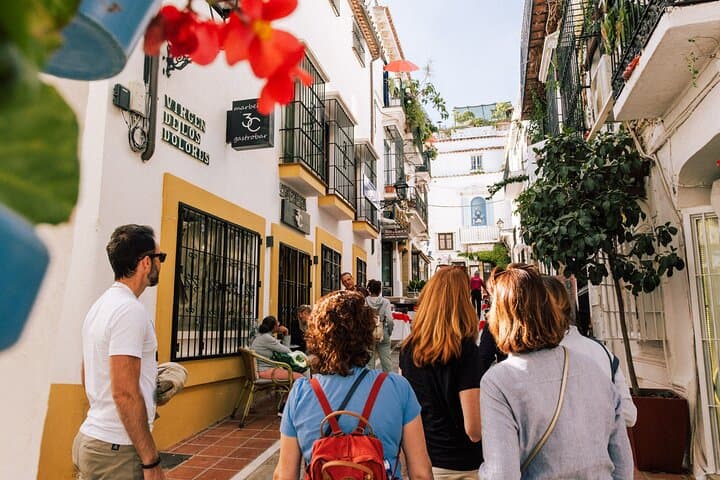
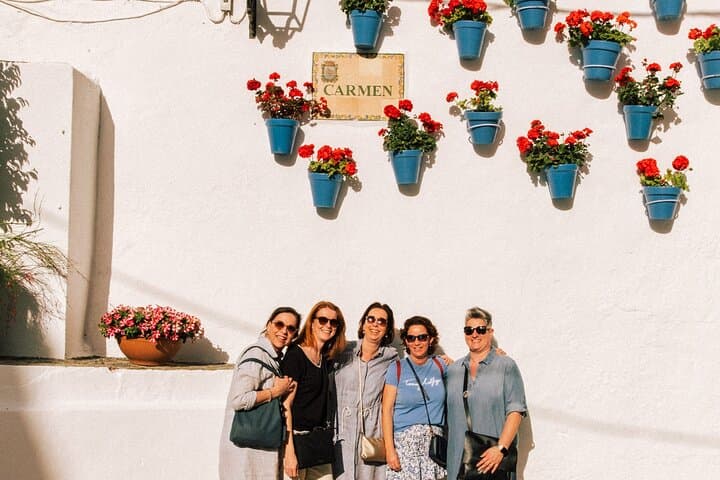
You step off the sun-warmed promenade into a pocket of narrow lanes where whitewashed walls keep the afternoon heat in check and the Mediterranean breeze nudges you like a companion guiding the way. The tour begins at the ornate fountain of Virgen del Rocío in Alameda Park, where orange trees throw dappled shade and your guide folds local history into conversation as easily as a map.
You step off the sun-warmed promenade into a pocket of narrow lanes where whitewashed walls keep the afternoon heat in check and the Mediterranean breeze nudges you like a companion guiding the way. The tour begins at the ornate fountain of Virgen del Rocío in Alameda Park, where orange trees throw dappled shade and your guide folds local history into conversation as easily as a map.
Marbella’s Old Town shows its history in layers: Roman foundations, an Arabic medina pattern of winding alleys, and a 16th-century Castilian square that replaced part of the moorish grid. Stones underfoot can be centuries old; fragments of medieval walls peek out between cafés. The district’s compact scale is its charm—squares, a cozy 16th-century chapel, the Old Bazán Hospital now home to the National Engraving Museum, and avenues punctuated by Salvador Dalí sculptures where art and daily life meet.
The geology is simple: coastal sedimentary plains that gave way to limestone hills inland, which historically made Marbella a crossroads rather than a fortress. Culturally, the town still tastes of Andalusia—olive oil, tapas, and a stubborn pride in local producers. The tasting at the end of the walk, when available, is not a gimmick; it’s a hands-on way to understand the flavor profile that shaped regional cooking for centuries.
Practicalities are straightforward. The private tour lasts about two hours and moves at a conversational pace across mostly flat, cobblestone streets—expect intermittent steps and tight passageways. The meeting point is easy to find in Alameda Park by the fountain; the tour ends near Marbella’s most famous square, with time to linger at a café. Accessibility is good: the route and many venues are wheelchair-friendly, though cobbles can make wheels bumpy.
Bring sensible footwear and a refillable water bottle, and plan for sun—shaded breaks are few in summer. If you want the olive oil tasting, check opening times in advance; it depends on the shop’s schedule. Because the tour is private, ask your guide to tailor stops—history, architecture, or gastronomy can be emphasized depending on your interests.
On a practical note: keep a light jacket for spring or autumn evenings, carry small change for museum entries or a café stop, and store larger bags at your hotel—lanes are narrow. Whether you’re here for the history, the food, or the feel of an old town that still moves at its own pace, this two-hour circuit gives a compact, flavorful introduction to Marbella beyond the beach.