THE ADVENTURE COLLECTIVE® · Independent discovery and booking for outdoor travel

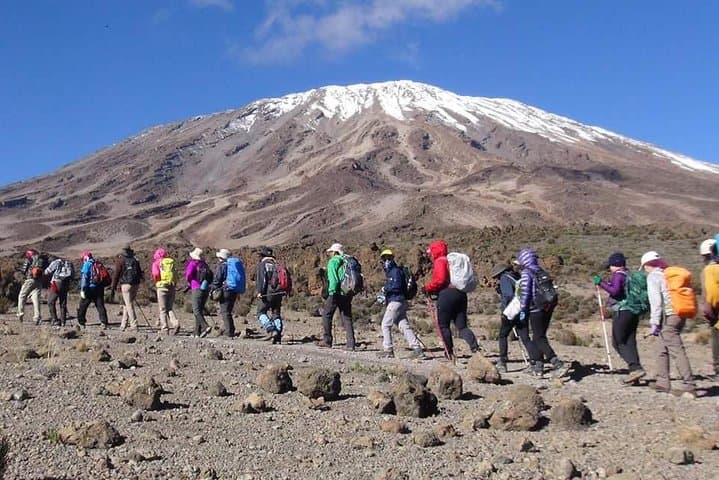
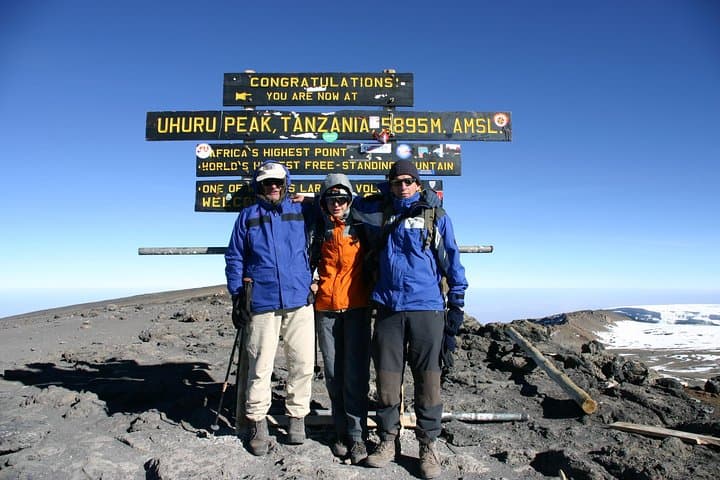
Move from rainforest to alpine desert on the Marangu Route, a 6‑day ascent of Kilimanjaro that pairs hut‑style comfort with serious altitude demands. This guide covers the terrain, daily distances and practical tips you need to plan a safe summit push to Uhuru Peak.
Move from rainforest to alpine desert on the Marangu Route, a 6‑day ascent of Kilimanjaro that pairs hut‑style comfort with serious altitude demands. This guide covers the terrain, daily distances and practical tips you need to plan a safe summit push to Uhuru Peak.
Verified experiences and guided adventures in the surrounding area.
Operated by Migration Venture Africa Ltd · Moshi, Kilimanjaro Region
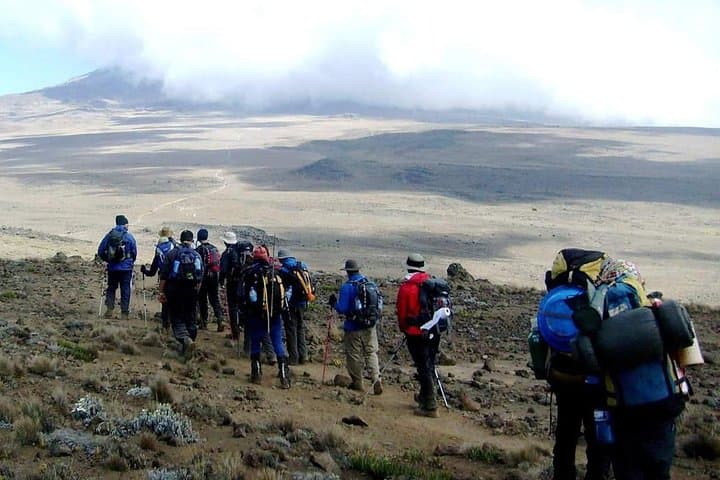
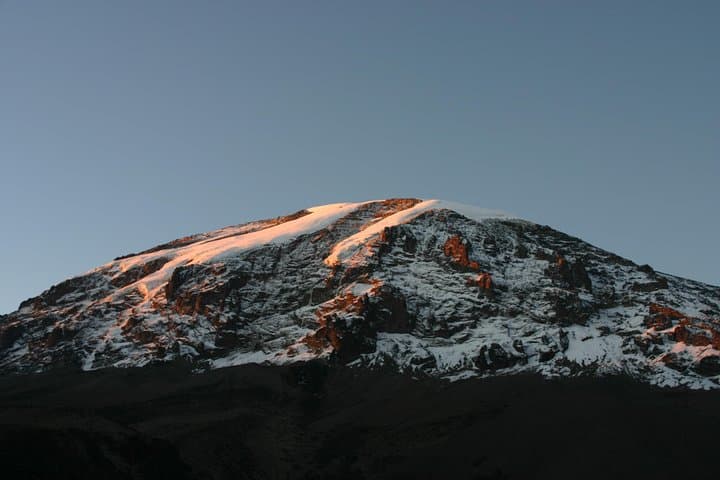
The night air at Mandara Hut tastes like wet earth and coffee; torches bob as porters move quietly between canvas and timber while the rainforest keeps its long, humid breath. You begin under a green roof — moss-draped trees, the occasional chatter of colobus monkeys — and end six days later above the clouds, holding the rim of an ancient crater as the sun pries light from the shadow of Africa.
challenging.
5–6 days.
Suitable for hikers with good cardio and stair‑climbing fitness; prior multi‑day trekking experience and aerobic conditioning improve success rates
No — Marangu Route is a non‑technical trek; crampons and ropes are not required in normal conditions, though weather can make surfaces icy near the summit.
Summit day is the longest and most strenuous: plan for ~8–12 hours round trip from Kibo Hut to Uhuru Peak and back to Horombo, with thin air and long hours on your feet.
Huts on the Marangu Route are basic dormitory‑style accommodations shared between trekkers; bring a sleeping liner for hygiene and extra warmth.
Acute Mountain Sickness is a real risk; proper acclimatization, hydration, slow pacing and experienced guides are the best mitigations. Inform guides of symptoms immediately.
The clearest windows are June–October and December–February; expect more rain and muddier trails in March–May and November.
Food is provided by the crew and included in most packages; small purchases are not possible on the trail, so carry your own water system and snack preferences.
The Chagga people have long managed the forested lower slopes; European climbers first recorded summits in the late 19th century, including Hans Meyer’s expedition to Kibo.
Kilimanjaro National Park fees fund conservation and community programs; stick to trails, pack out waste and avoid single‑use plastics to reduce your footprint.
Migration Venture Africa Ltd operates guided outdoor trips and adventures with an emphasis on safety, stewardship, and memorable experiences.
Book with Migration Venture Africa Ltd
Book directly with Migration Venture Africa Ltd for the best rates and real-time scheduling.
Reserve Now