THE ADVENTURE COLLECTIVE® · Independent discovery and booking for outdoor travel

A short, sensory hike into Trinidad’s Northern Range leads to Maracas Waterfall — the island’s highest cascade. This easy trail rewards steady hikers with cool spray, rainbows, and a quick, restorative mountain outing near Port of Spain.
A short, sensory hike into Trinidad’s Northern Range leads to Maracas Waterfall — the island’s highest cascade. This easy trail rewards steady hikers with cool spray, rainbows, and a quick, restorative mountain outing near Port of Spain.
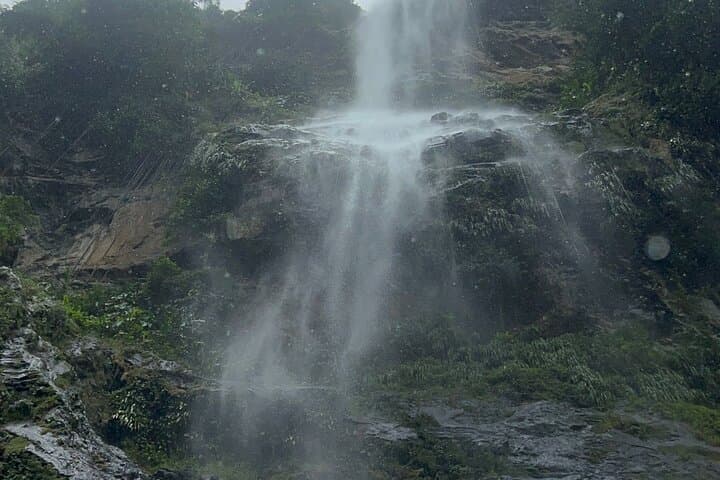
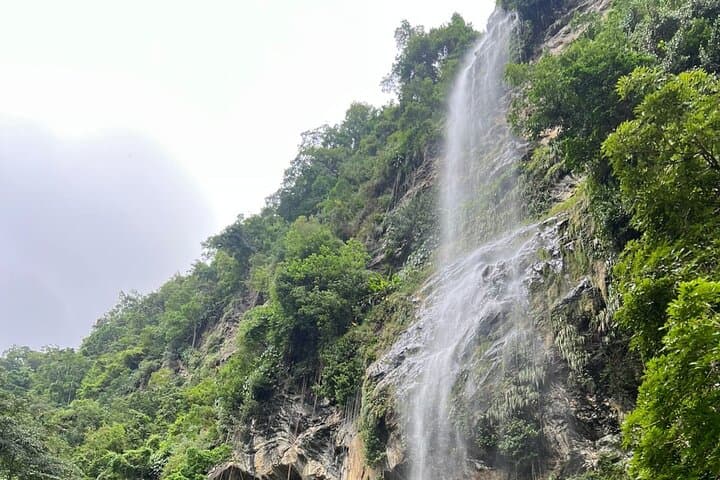
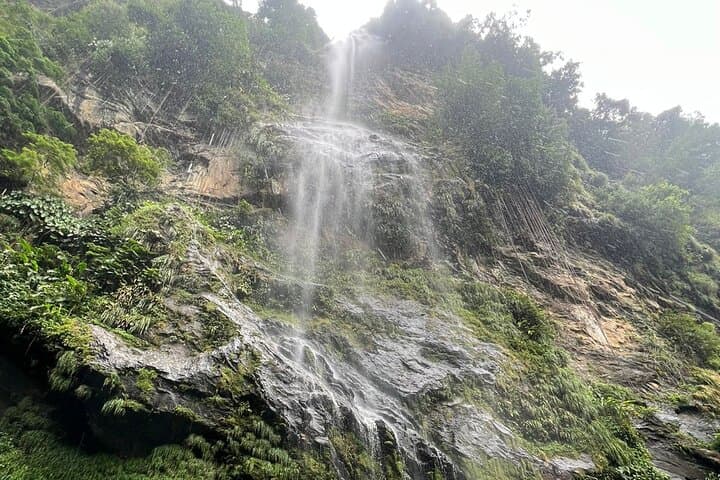
You leave the hum of the coastal road and climb into a green that leans and drips. The path to Maracas Waterfall cuts through secondary rainforest and old cocoa groves; leaves slap at your calves, and the air cools with each switchback. After a steady, slow ascent you hear the falls before you see them — a spray-driven hiss that turns the sunlight into a brief rainbow on the slick rocks. At 298 feet (91.5 m), Maracas Waterfall is Trinidad and Tobago’s highest cascade, not for dramatic plunges but for a steady, refreshing sheet of water that rattles over layered volcanic stone.
Verified experiences and guided adventures in the surrounding area.
Operated by Nicktaxiservicestt · Port of Spain, Trinidad
You leave the hum of the coastal road and climb into a green that leans and drips. The path to Maracas Waterfall cuts through secondary rainforest and old cocoa groves; leaves slap at your calves, and the air cools with each switchback. After a steady, slow ascent you hear the falls before you see them — a spray-driven hiss that turns the sunlight into a brief rainbow on the slick rocks. At 298 feet (91.5 m), Maracas Waterfall is Trinidad and Tobago’s highest cascade, not for dramatic plunges but for a steady, refreshing sheet of water that rattles over layered volcanic stone.
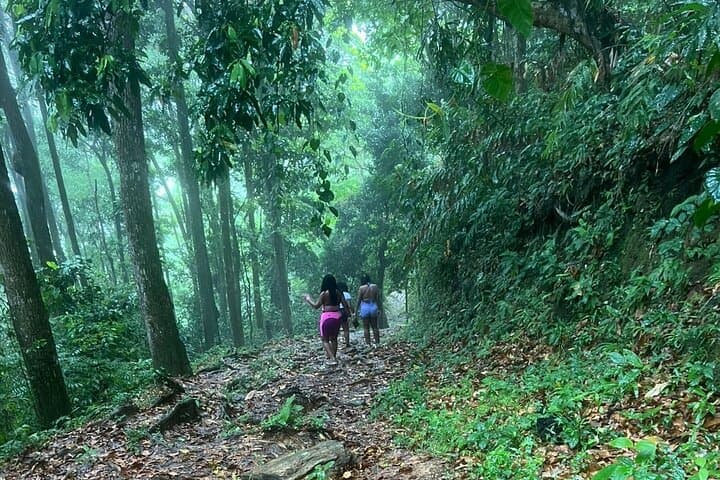
The trail is short but sensory: exposed roots, rocky steps, and damp clay patches that demand attention. Locals have used these gullies for generations, first by Indigenous peoples and later by colonial-era planters who farmed cocoa and sugar on the northern slopes. The Northern Range itself is ancient — folded, uplifted bedrock sliced by rivers — which is why water still finds theatrical exits like Maracas. Today the valley blends cultural touchpoints: roadside bake-and-shops peddle doubles and coconut water, and a few small kastries (farmsteads) cling to ridgelines.
This is an easy, intimate hike rather than a technical scramble. The typical outing — 2–3 hours depending on pickup and walk pace — gives you time at the base to sit on warmed rock and let the spray cool your neck. There’s no plunge pool for a full swim; the water disperses across boulders into a shower-like curtain, perfect for a quick rinse but not deep bathing. Guides often combine the hike with short stops at Maracas Bay or lookout points above the valley, so plan on some driving along narrow mountain roads.
Practicalities: wear grippy trail shoes, bring a light rain shell and insect repellent, and pack at least 1 liter of water. The trail can be slippery after rain; trekking poles help less confident knees. If you arrive by cruise ship, message your guide after booking — they’ll confirm an exact meeting spot. The hike is not recommended for travelers with significant spinal or cardiovascular issues, or for pregnant visitors.
Timing matters: mornings are cooler and quieter; late afternoons can create dramatic light but also bring showers. Respect the site: it’s an active natural area and local farmers still rely on these valleys. Leave no trace, keep to the path, and expect to be wet, clean, and thoroughly refreshed by the end of the walk.
moderate.
2–3 hours.
Suitable for hikers with moderate fitness: short uphill sections and uneven terrain require stable knees and steady balance.
Most groups spend about 2–3 hours total including travel; the walk itself is typically 30–60 minutes each way depending on pace.
No — there is no large plunge pool; the water creates a shower-like spray over rocks, suitable for rinsing but not full swimming.
Yes for older children used to uneven trails; very young children or those with mobility issues may find the route challenging.
Message your guide after booking; they will provide precise meeting instructions and recommended pickup times for cruise schedules.
Facilities are limited—plan to use restrooms in Port of Spain or at Maracas Bay before the hike.
The path becomes slippery and sections can be muddy; consider postponing during or immediately after heavy rain for safety.
The Maracas Valley was historically used for small-scale cocoa and sugar cultivation; the Northern Range’s folded rock is part of the island’s volcanic and uplifted geology.
Stay on marked trails and pack out waste; the valley’s forest regenerates but is vulnerable to erosion from off-trail traffic and illegal dumping.
Nicktaxiservicestt operates guided outdoor trips and adventures with an emphasis on safety, stewardship, and memorable experiences.
You leave the hum of the coastal road and climb into a green that leans and drips. The path to Maracas Waterfall cuts through secondary rainforest and old cocoa groves; leaves slap at your calves, and the air cools with each switchback. After a steady, slow ascent you hear the falls before you see them — a spray-driven hiss that turns the sunlight into a brief rainbow on the slick rocks. At 298 feet (91.5 m), Maracas Waterfall is Trinidad and Tobago’s highest cascade, not for dramatic plunges but for a steady, refreshing sheet of water that rattles over layered volcanic stone.
You leave the hum of the coastal road and climb into a green that leans and drips. The path to Maracas Waterfall cuts through secondary rainforest and old cocoa groves; leaves slap at your calves, and the air cools with each switchback. After a steady, slow ascent you hear the falls before you see them — a spray-driven hiss that turns the sunlight into a brief rainbow on the slick rocks. At 298 feet (91.5 m), Maracas Waterfall is Trinidad and Tobago’s highest cascade, not for dramatic plunges but for a steady, refreshing sheet of water that rattles over layered volcanic stone.
The trail is short but sensory: exposed roots, rocky steps, and damp clay patches that demand attention. Locals have used these gullies for generations, first by Indigenous peoples and later by colonial-era planters who farmed cocoa and sugar on the northern slopes. The Northern Range itself is ancient — folded, uplifted bedrock sliced by rivers — which is why water still finds theatrical exits like Maracas. Today the valley blends cultural touchpoints: roadside bake-and-shops peddle doubles and coconut water, and a few small kastries (farmsteads) cling to ridgelines.
This is an easy, intimate hike rather than a technical scramble. The typical outing — 2–3 hours depending on pickup and walk pace — gives you time at the base to sit on warmed rock and let the spray cool your neck. There’s no plunge pool for a full swim; the water disperses across boulders into a shower-like curtain, perfect for a quick rinse but not deep bathing. Guides often combine the hike with short stops at Maracas Bay or lookout points above the valley, so plan on some driving along narrow mountain roads.
Practicalities: wear grippy trail shoes, bring a light rain shell and insect repellent, and pack at least 1 liter of water. The trail can be slippery after rain; trekking poles help less confident knees. If you arrive by cruise ship, message your guide after booking — they’ll confirm an exact meeting spot. The hike is not recommended for travelers with significant spinal or cardiovascular issues, or for pregnant visitors.
Timing matters: mornings are cooler and quieter; late afternoons can create dramatic light but also bring showers. Respect the site: it’s an active natural area and local farmers still rely on these valleys. Leave no trace, keep to the path, and expect to be wet, clean, and thoroughly refreshed by the end of the walk.