THE ADVENTURE COLLECTIVE® · Independent discovery and booking for outdoor travel

From Intramuros’ stone streets to Tagaytay’s Taal views, a three-day itinerary mixes colonial history, island hopping in Calatagan, and the thrill of Pagsanjan’s rapids. Practical tips for timing, gear and reef-friendly snorkeling included.
From Intramuros’ stone streets to Tagaytay’s Taal views, a three-day itinerary mixes colonial history, island hopping in Calatagan, and the thrill of Pagsanjan’s rapids. Practical tips for timing, gear and reef-friendly snorkeling included.
The first breath of the Philippines often arrives as a contradiction: the clatter of jeepneys and tricycles that frame Manila’s Intramuros, then, a couple hours later, a cool wind that pulls across Tagaytay’s ridge and lets the world slow down. On day one this three-day loop dissects those contrasts—historic stone streets and cathedral bells give way to coffee stands with Taal’s lake and crater stealing the horizon.
Verified experiences and guided adventures in the surrounding area.
Operated by Yolo Travel Philippines · Tagaytay, Cavite
The first breath of the Philippines often arrives as a contradiction: the clatter of jeepneys and tricycles that frame Manila’s Intramuros, then, a couple hours later, a cool wind that pulls across Tagaytay’s ridge and lets the world slow down. On day one this three-day loop dissects those contrasts—historic stone streets and cathedral bells give way to coffee stands with Taal’s lake and crater stealing the horizon.
Intramuros is compact but dense with stories. Walk the cobbled lanes past Manila Cathedral and San Agustin Church and the Spanish-era walls make geopolitics tangible: an imported defensive plan rewritten by centuries of trade, war and local life. The drive south slices through lowland plains into the higher, greener contours of Cavite—Tagaytay sits around 600–700 meters above sea level and the change in light is immediate. Locals head out to the ridge for cool air and conversation; travelers find hotel rooms with wide windows and a chance to sleep without city noise.
Day two flips to blue. From Tagaytay you cross into Batangas for a Calatagan departure point where floating bamboo cottages bob on shallow, clear water. The island-hopping and snorkeling circuit here is intimate—reef fingers, parrotfish and the occasional sea turtle inspect visitors with slow curiosity. The floating cottage is part hammock, part basecamp: shade, fresh seafood lunches and, for those who want it, a ladder into the reef.
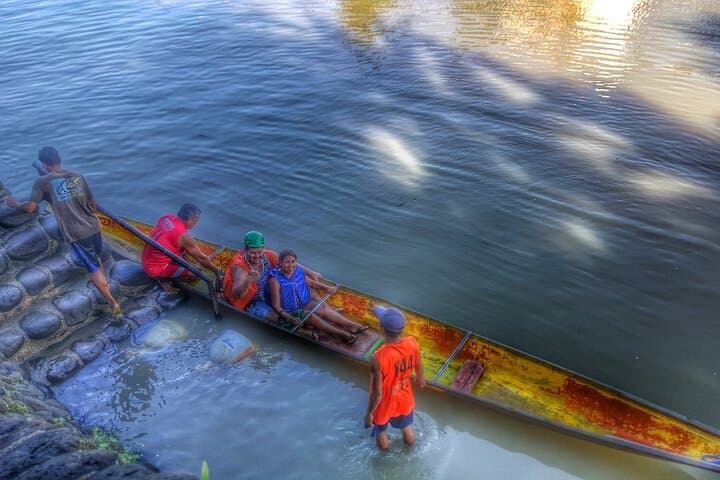
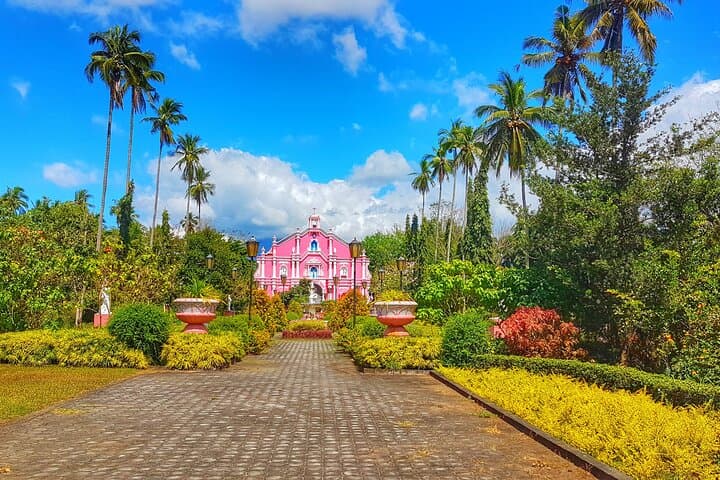
The final day brings something louder: Pagsanjan Falls and the famous shoot-the-rapids canoe run. Local boatmen read the river like a score—paddles and shouting choreograph a run through gorges and spray. Afternoon, Villa Escudero brings a different kind of leisure: a coconut plantation turned living museum where traditional Filipino lunch is served beside a flowing canal.
Practical edge: expect 1–3 hour drives between major stops (Manila–Tagaytay ≈ 60 km, Tagaytay–Calatagan ≈ 80–90 km), early departures beat Manila traffic, and Tagaytay’s elevation can make mornings cool. Snorkeling sites are shallow but reef contact is a real risk—use reef-safe sunscreen and avoid standing on corals. For the rapids, basic swimming ability and willingness to follow guides’ safety calls are required; the canoe ride is thrilling but guided. Cash is handy for rural fees, tips and small vendors. Travel light: a daypack, water, quick-dry clothes and a waterproof phone case will keep you mobile.
This itinerary is a tight primer on what Philippines travel delivers—urban history, mountain air, coral reefs and a river that still prefers to be wild. With a little planning—early starts, reef-safe products and respect for local rhythms—you leave with photos, stories and an understanding of why both city and coast claim the same sky.
moderate.
3 days.
Suitable for travelers in good general health; requires short swims, getting in/out of small boats and brief hikes to viewpoints.
Basic swimming ability is recommended for snorkeling and for comfort during boat transfers, but full proficiency is not required—the tour provides flotation aids.
Guides typically speak English and Filipino; local boatmen may use Filipino and regional dialects.
The floating bamboo cottages on the Calatagan circuit are day-use shelters—overnight accommodation is in a Tagaytay hotel as described in the itinerary.
The itinerary lists specified meals and admissions—check the booking inclusions; local incidental costs like souvenirs or extra activities may be extra.
The canoe ride involves steady paddling and brief physical bracing; it is thrilling but guided—those with mobility issues should consult the operator in advance.
Yes—booking questions include special requirements. Notify the operator in advance so they can arrange meals accordingly.
Intramuros was the Spanish colonial seat established in the late 16th century; San Agustin Church (within Intramuros) is a UNESCO World Heritage site reflecting that era’s architecture.
Coastal reefs near Batangas are sensitive—use reef-safe products and avoid touching corals; support operators who practice responsible waste disposal.
Yolo Travel Philippines operates guided outdoor trips and adventures with an emphasis on safety, stewardship, and memorable experiences.
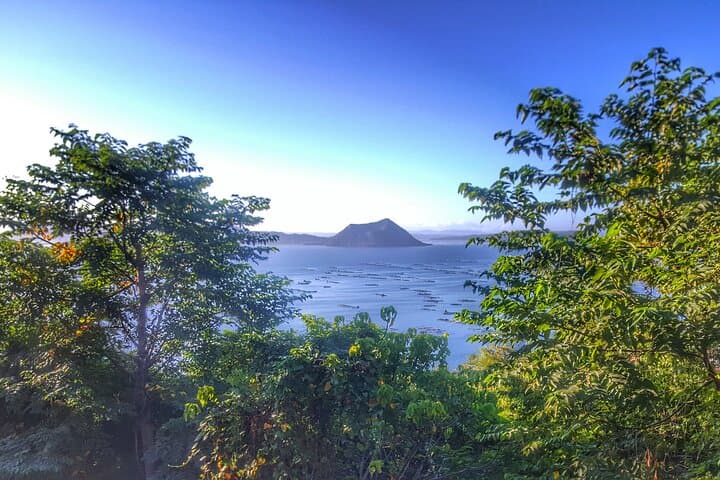

The first breath of the Philippines often arrives as a contradiction: the clatter of jeepneys and tricycles that frame Manila’s Intramuros, then, a couple hours later, a cool wind that pulls across Tagaytay’s ridge and lets the world slow down. On day one this three-day loop dissects those contrasts—historic stone streets and cathedral bells give way to coffee stands with Taal’s lake and crater stealing the horizon.
The first breath of the Philippines often arrives as a contradiction: the clatter of jeepneys and tricycles that frame Manila’s Intramuros, then, a couple hours later, a cool wind that pulls across Tagaytay’s ridge and lets the world slow down. On day one this three-day loop dissects those contrasts—historic stone streets and cathedral bells give way to coffee stands with Taal’s lake and crater stealing the horizon.
Intramuros is compact but dense with stories. Walk the cobbled lanes past Manila Cathedral and San Agustin Church and the Spanish-era walls make geopolitics tangible: an imported defensive plan rewritten by centuries of trade, war and local life. The drive south slices through lowland plains into the higher, greener contours of Cavite—Tagaytay sits around 600–700 meters above sea level and the change in light is immediate. Locals head out to the ridge for cool air and conversation; travelers find hotel rooms with wide windows and a chance to sleep without city noise.
Day two flips to blue. From Tagaytay you cross into Batangas for a Calatagan departure point where floating bamboo cottages bob on shallow, clear water. The island-hopping and snorkeling circuit here is intimate—reef fingers, parrotfish and the occasional sea turtle inspect visitors with slow curiosity. The floating cottage is part hammock, part basecamp: shade, fresh seafood lunches and, for those who want it, a ladder into the reef.
The final day brings something louder: Pagsanjan Falls and the famous shoot-the-rapids canoe run. Local boatmen read the river like a score—paddles and shouting choreograph a run through gorges and spray. Afternoon, Villa Escudero brings a different kind of leisure: a coconut plantation turned living museum where traditional Filipino lunch is served beside a flowing canal.
Practical edge: expect 1–3 hour drives between major stops (Manila–Tagaytay ≈ 60 km, Tagaytay–Calatagan ≈ 80–90 km), early departures beat Manila traffic, and Tagaytay’s elevation can make mornings cool. Snorkeling sites are shallow but reef contact is a real risk—use reef-safe sunscreen and avoid standing on corals. For the rapids, basic swimming ability and willingness to follow guides’ safety calls are required; the canoe ride is thrilling but guided. Cash is handy for rural fees, tips and small vendors. Travel light: a daypack, water, quick-dry clothes and a waterproof phone case will keep you mobile.
This itinerary is a tight primer on what Philippines travel delivers—urban history, mountain air, coral reefs and a river that still prefers to be wild. With a little planning—early starts, reef-safe products and respect for local rhythms—you leave with photos, stories and an understanding of why both city and coast claim the same sky.