THE ADVENTURE COLLECTIVE® · Independent discovery and booking for outdoor travel

Fly through Roatán’s jungle canopy, meet resident wildlife, then unwind on the reef-fringed sand of West Bay Beach—this half-day loop combines adrenaline and island culture.
Fly through Roatán’s jungle canopy, meet resident wildlife, then unwind on the reef-fringed sand of West Bay Beach—this half-day loop combines adrenaline and island culture.
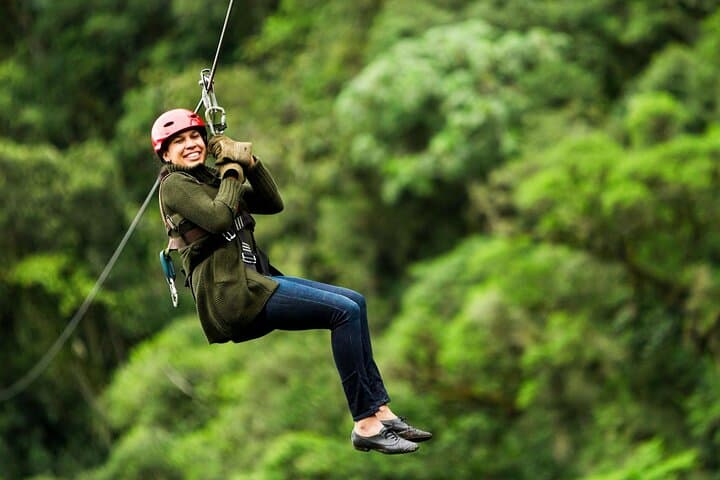
You step off the minivan and the island exhales: warm, resin-sweet air threaded with sea salt. Guides in bright shirts beckon you toward a low ridge where a tangle of hardwoods and palms rises above the road. From the first platform the world changes—below, the jungle canopy folds like a green roof; ahead, a staccato of zip lines disappears between trees and out toward the bright slit of West Bay Beach.
Verified experiences and guided adventures in the surrounding area.
Operated by Manawakie Park · West Bay, Islas de la Bahía
You step off the minivan and the island exhales: warm, resin-sweet air threaded with sea salt. Guides in bright shirts beckon you toward a low ridge where a tangle of hardwoods and palms rises above the road. From the first platform the world changes—below, the jungle canopy folds like a green roof; ahead, a staccato of zip lines disappears between trees and out toward the bright slit of West Bay Beach.
Manawakie Eco Park is less a manicured attraction than a working slice of Honduran Bay Island life: a small wildlife sanctuary, a set of timber platforms, and a short road leading to one of Roatán’s most famous beaches. The park teaches the island’s story—Miskito and Garifuna cultural threads, the Spanish and British colonial contests, and a long history of fishing and smallholder farming that shaped this western shore.
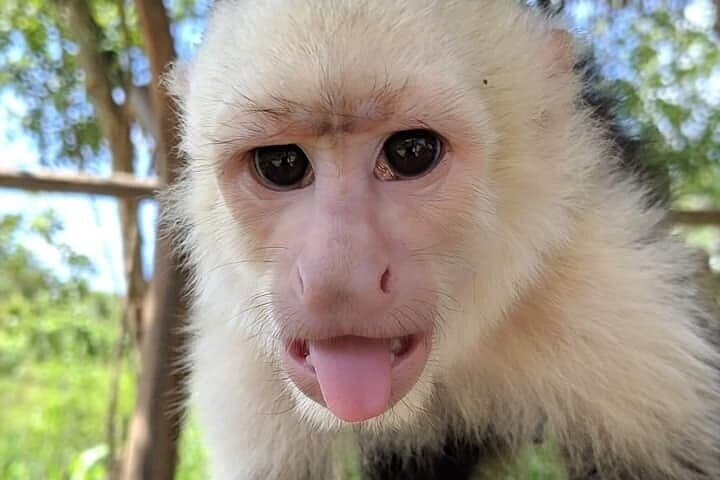
Geologically the island is a raised coral atoll rimmed by reef; you feel that origin underfoot in sandy loam and limestone outcrops where roots grip. The zipline traverses that edge habitat—quick bursts of flight over sunflecked understory, a humid smell of leaf litter pressing close. Between runs you meet residents of the park: slow-moving sloths, curious capuchin monkeys, and colorful macaws that sometimes chatter from the ridgetop.
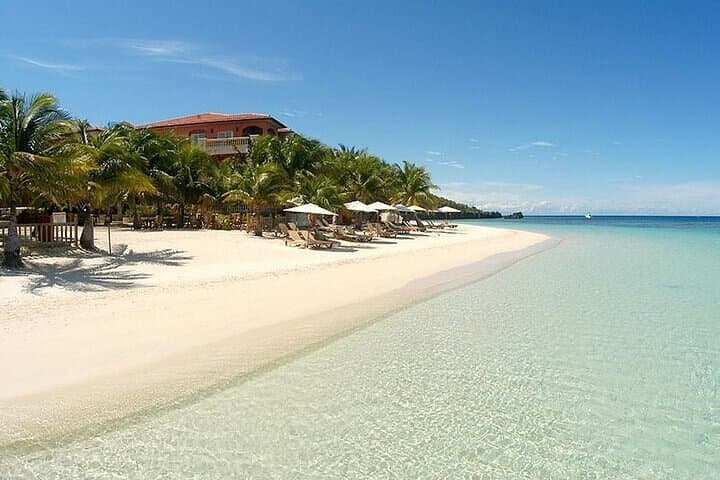
After two or three lines the guide steers you downhill; the jungle loosens, and suddenly the reef-blue of West Bay opens. The beach is wide and sheltered, the sand fine, and the barrier reef sits close enough that snorkelers can step out and be in coral gardens within minutes. Here the sea pushes and pulls like an insistent friend, daring you to swim.
Practicalities: the whole experience runs about 4.5 hours including transfers. Expect short walks over uneven ground, several platforms reached by wooden stairs, and a mix of harnessed zipline time and gentle beach relaxation. The operation is accessible to most fitness levels but not suitable for those with serious heart or spinal issues; pregnancy is discouraged. Bring reef-safe sunscreen, a change of clothes, water, and closed-toe shoes for the zipline—flip-flops are fine for the shore but slippery on platforms.
Timing matters—mornings are cooler and less crowded, while late afternoons offer softer light for photos and less intense heat. The park emphasizes conservation: interactions with animals are supervised and limited to minimize stress, and guides encourage reef-friendly behavior at West Bay. For visitors, this is an easy, high-reward day: a dose of adrenaline, a primer on island culture, and an afternoon that ends with sand between your toes and the reef murmuring offshore.
moderate.
4–5 hours.
Moderate—able to climb stairs and walk short uneven trails; suitable for most healthy travelers
The tour is about 4.5 hours from scheduled pickup to drop-off, including transfers, park time, ziplines, and the beach break.
Yes—children can participate but age and weight minimums may apply; check operator rules and disclose ages when booking.
No—guides provide instruction and safety gear; the course is suitable for first-timers with moderate mobility.
Yes—there's time for a beach break and short snorkel nearshore; bring your own mask or rent locally if needed.
Interactions are supervised; the park keeps handling to a minimum and emphasizes animal welfare—follow staff guidance at all times.
Full refund available if you cancel at least 24 hours before departure; last-minute cancellations are non-refundable.
Roatán’s western shore has long been shaped by Garifuna and early Caribbean maroon communities; later British and Spanish influences left a mixed cultural heritage reflected in language and cuisine.
The park participates in local education about reef protection and limits beach activities to reduce coral impact; visitors are asked to use reef-safe products and avoid touching coral.
Manawakie Park operates guided outdoor trips and adventures with an emphasis on safety, stewardship, and memorable experiences.

You step off the minivan and the island exhales: warm, resin-sweet air threaded with sea salt. Guides in bright shirts beckon you toward a low ridge where a tangle of hardwoods and palms rises above the road. From the first platform the world changes—below, the jungle canopy folds like a green roof; ahead, a staccato of zip lines disappears between trees and out toward the bright slit of West Bay Beach.
You step off the minivan and the island exhales: warm, resin-sweet air threaded with sea salt. Guides in bright shirts beckon you toward a low ridge where a tangle of hardwoods and palms rises above the road. From the first platform the world changes—below, the jungle canopy folds like a green roof; ahead, a staccato of zip lines disappears between trees and out toward the bright slit of West Bay Beach.
Manawakie Eco Park is less a manicured attraction than a working slice of Honduran Bay Island life: a small wildlife sanctuary, a set of timber platforms, and a short road leading to one of Roatán’s most famous beaches. The park teaches the island’s story—Miskito and Garifuna cultural threads, the Spanish and British colonial contests, and a long history of fishing and smallholder farming that shaped this western shore.
Geologically the island is a raised coral atoll rimmed by reef; you feel that origin underfoot in sandy loam and limestone outcrops where roots grip. The zipline traverses that edge habitat—quick bursts of flight over sunflecked understory, a humid smell of leaf litter pressing close. Between runs you meet residents of the park: slow-moving sloths, curious capuchin monkeys, and colorful macaws that sometimes chatter from the ridgetop.
After two or three lines the guide steers you downhill; the jungle loosens, and suddenly the reef-blue of West Bay opens. The beach is wide and sheltered, the sand fine, and the barrier reef sits close enough that snorkelers can step out and be in coral gardens within minutes. Here the sea pushes and pulls like an insistent friend, daring you to swim.
Practicalities: the whole experience runs about 4.5 hours including transfers. Expect short walks over uneven ground, several platforms reached by wooden stairs, and a mix of harnessed zipline time and gentle beach relaxation. The operation is accessible to most fitness levels but not suitable for those with serious heart or spinal issues; pregnancy is discouraged. Bring reef-safe sunscreen, a change of clothes, water, and closed-toe shoes for the zipline—flip-flops are fine for the shore but slippery on platforms.
Timing matters—mornings are cooler and less crowded, while late afternoons offer softer light for photos and less intense heat. The park emphasizes conservation: interactions with animals are supervised and limited to minimize stress, and guides encourage reef-friendly behavior at West Bay. For visitors, this is an easy, high-reward day: a dose of adrenaline, a primer on island culture, and an afternoon that ends with sand between your toes and the reef murmuring offshore.