THE ADVENTURE COLLECTIVE® · Independent discovery and booking for outdoor travel

Experience Mallorca’s northwest by coach, boat, tram and vintage train in one full day. From the vertigo of Sa Calobra’s Torrent de Pareis to the coastal glide into Port de Sóller, this guided loop blends dramatic geology, local color, and efficient transport.
Experience Mallorca’s northwest by coach, boat, tram and vintage train in one full day. From the vertigo of Sa Calobra’s Torrent de Pareis to the coastal glide into Port de Sóller, this guided loop blends dramatic geology, local color, and efficient transport.
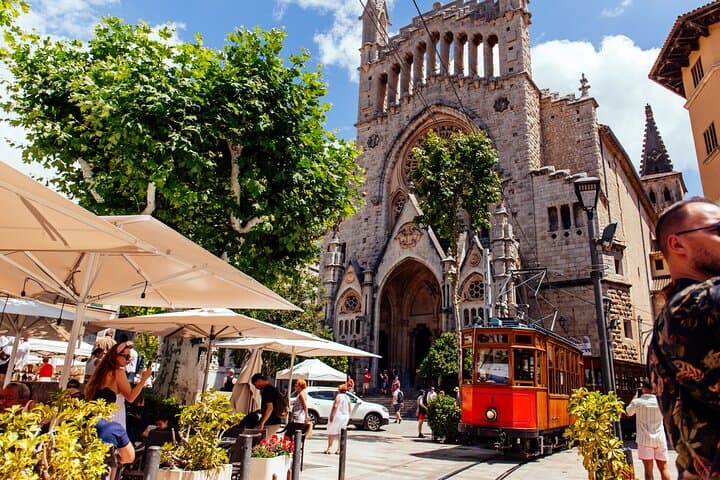
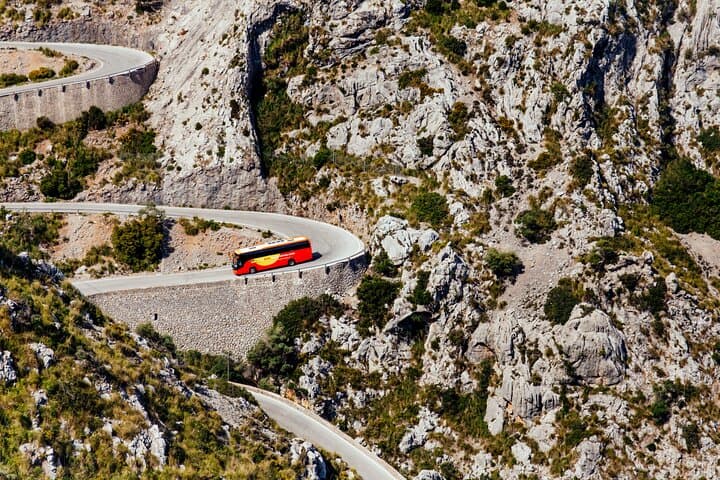
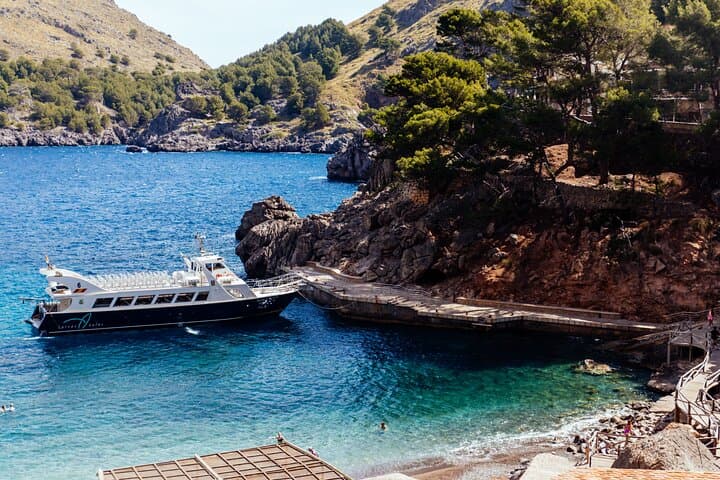
A ribbon of road appears below the bus window and then unravels into the Serra de Tramuntana: steep limestone faces, terraces clinging like old hands, and the sea flattening to a distant, improbable blue. The guide—Polish-accented, sharp-eyed—points out the “Tie Knot” curve where engineer Antonio Parietti tightened the road into one of Mallorca’s most photographed turns. For the rest of the day transport becomes the attraction: a slow coastal boat, a wooden tram that clicks past orange groves, and a century‑old train that hums through tunnels carved into the mountains.
Verified experiences and guided adventures in the surrounding area.
Operated by Nofrills Excursions · Palma, Balearic Islands
A ribbon of road appears below the bus window and then unravels into the Serra de Tramuntana: steep limestone faces, terraces clinging like old hands, and the sea flattening to a distant, improbable blue. The guide—Polish-accented, sharp-eyed—points out the “Tie Knot” curve where engineer Antonio Parietti tightened the road into one of Mallorca’s most photographed turns. For the rest of the day transport becomes the attraction: a slow coastal boat, a wooden tram that clicks past orange groves, and a century‑old train that hums through tunnels carved into the mountains.
This full-day loop stitches together Mallorca’s natural and human histories. The Serra de Tramuntana, a UNESCO World Heritage landscape, is limestone written in ridges: karst cliffs, narrow gorges and reef remains from when the Mediterranean’s levels shifted. Sa Calobra’s Torrent de Pareis is the day’s dramatic punctuation — a gorge where the stream forces a final sprint to the sea, carving cliffs so vertical they seem to read like pages. Down in Port de Sóller, the harbor’s arc and the artful façades of Sóller town reflect a long history of maritime trade and citrus wealth; the wooden tren de Sóller, opened in 1912, is a tempering of modern travel with nostalgia.
Culturally the route is rural Mallorca: olive terraces, dry‑stone walls, and villages that keep older rhythms—market mornings, late lunches, and cafés where locals still argue about football. The guide threads these details into the itinerary: the engineering of the road, the olive varieties, the town’s relation to the sea.
Practicalities matter on a day this long. Expect 8–9 hours with roughly 45 minutes to an hour at key stops—Sa Calobra, the boat ride, Port de Sóller, the tram, and Sóller town. Walks are short but over pebbled beaches and through narrow tunnels; bring sturdy shoes for the Torrent de Pareis approach and a light layer for the sea breeze on the boat. Midday sun is strong; shade is limited on the cliffs. Photographers will want early arrival at Sa Calobra to beat crowds and catch the best light.
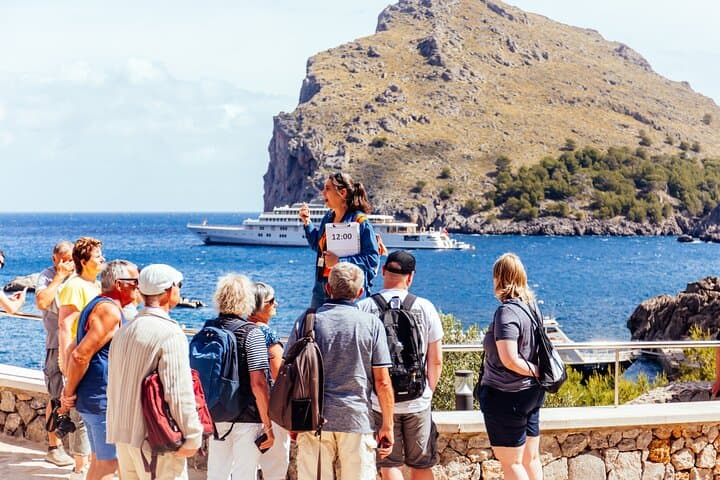
Logistics are streamlined: meeting points in Palma, air‑conditioned coach transport between sites, and included tram, boat, and train journeys. The Polish-speaking guide keeps the day moving, but there’s enough free time to shop, have a leisurely lunch in Port de Sóller, or simply sit and watch the water. For travelers who want a concentrated overview of Mallorca’s northwest in a single day, this tour packs geology, maritime views, and small‑town character into an efficiently staged sequence. It’s sensory, informative, and, above all, designed for travelers who prefer to let the landscape do the storytelling while transport stitches the chapters together.
easy.
8–9 hours.
Suitable for most fitness levels; mostly seated transfers with short, easy walks and some stairs or pebbled surfaces.
The tour runs approximately 8–9 hours; specific meeting times are provided after booking and depend on the chosen pickup point in Palma.
Yes—infants can ride in strollers, but parts of Sa Calobra involve pebbles and tunnels that may be awkward with larger strollers.
Lunch is not included; the itinerary provides free time in Port de Sóller where there are multiple restaurants and cafés.
This departure is led by a Polish‑speaking guide who will escort the group throughout the day.
The operator does not automatically cancel for poor weather; in extreme conditions they will advise changes—check their cancellation policy for full refund terms up to 24 hours before departure.
Yes—there are facilities at main stops and on some viewpoints; bring small change in case of private facilities in villages.
The tram and train link reflect early 20th‑century connections between coastal ports and inland agricultural towns; the Tramuntana terraces show centuries of agrarian engineering.
Serra de Tramuntana’s UNESCO status encourages responsible tourism—stay on paths, avoid disturbing cliffs and gorges, and carry out all waste to protect fragile terraces and marine habitats.
Nofrills Excursions operates guided outdoor trips and adventures with an emphasis on safety, stewardship, and memorable experiences.
A ribbon of road appears below the bus window and then unravels into the Serra de Tramuntana: steep limestone faces, terraces clinging like old hands, and the sea flattening to a distant, improbable blue. The guide—Polish-accented, sharp-eyed—points out the “Tie Knot” curve where engineer Antonio Parietti tightened the road into one of Mallorca’s most photographed turns. For the rest of the day transport becomes the attraction: a slow coastal boat, a wooden tram that clicks past orange groves, and a century‑old train that hums through tunnels carved into the mountains.
A ribbon of road appears below the bus window and then unravels into the Serra de Tramuntana: steep limestone faces, terraces clinging like old hands, and the sea flattening to a distant, improbable blue. The guide—Polish-accented, sharp-eyed—points out the “Tie Knot” curve where engineer Antonio Parietti tightened the road into one of Mallorca’s most photographed turns. For the rest of the day transport becomes the attraction: a slow coastal boat, a wooden tram that clicks past orange groves, and a century‑old train that hums through tunnels carved into the mountains.
This full-day loop stitches together Mallorca’s natural and human histories. The Serra de Tramuntana, a UNESCO World Heritage landscape, is limestone written in ridges: karst cliffs, narrow gorges and reef remains from when the Mediterranean’s levels shifted. Sa Calobra’s Torrent de Pareis is the day’s dramatic punctuation — a gorge where the stream forces a final sprint to the sea, carving cliffs so vertical they seem to read like pages. Down in Port de Sóller, the harbor’s arc and the artful façades of Sóller town reflect a long history of maritime trade and citrus wealth; the wooden tren de Sóller, opened in 1912, is a tempering of modern travel with nostalgia.
Culturally the route is rural Mallorca: olive terraces, dry‑stone walls, and villages that keep older rhythms—market mornings, late lunches, and cafés where locals still argue about football. The guide threads these details into the itinerary: the engineering of the road, the olive varieties, the town’s relation to the sea.
Practicalities matter on a day this long. Expect 8–9 hours with roughly 45 minutes to an hour at key stops—Sa Calobra, the boat ride, Port de Sóller, the tram, and Sóller town. Walks are short but over pebbled beaches and through narrow tunnels; bring sturdy shoes for the Torrent de Pareis approach and a light layer for the sea breeze on the boat. Midday sun is strong; shade is limited on the cliffs. Photographers will want early arrival at Sa Calobra to beat crowds and catch the best light.
Logistics are streamlined: meeting points in Palma, air‑conditioned coach transport between sites, and included tram, boat, and train journeys. The Polish-speaking guide keeps the day moving, but there’s enough free time to shop, have a leisurely lunch in Port de Sóller, or simply sit and watch the water. For travelers who want a concentrated overview of Mallorca’s northwest in a single day, this tour packs geology, maritime views, and small‑town character into an efficiently staged sequence. It’s sensory, informative, and, above all, designed for travelers who prefer to let the landscape do the storytelling while transport stitches the chapters together.