THE ADVENTURE COLLECTIVE® · Independent discovery and booking for outdoor travel

A 2–4 day loop from Hanoi that stitches Mai Chau’s rice-bedded valleys, Pu Luong’s forested karst, and Ninh Binh’s boat-sliced plains into a compact, culture-rich escape. Expect cycling, day hikes, cave visits, and boat trips with private rooms and local guides included.
A 2–4 day loop from Hanoi that stitches Mai Chau’s rice-bedded valleys, Pu Luong’s forested karst, and Ninh Binh’s boat-sliced plains into a compact, culture-rich escape. Expect cycling, day hikes, cave visits, and boat trips with private rooms and local guides included.
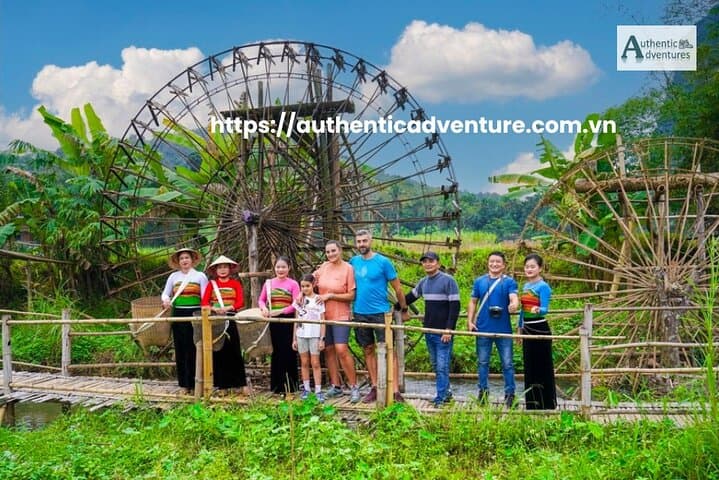
You step out of the van and the valley inhales. In Mai Chau the road drops away and rice paddies fan out like low mirrors, punctuated by stilt houses and the slow sweep of waterwheels. The air smells of damp earth and cooking fires; distant boots and bicycle bells mark a human rhythm that the limestone hills take in and hold.
Verified experiences and guided adventures in the surrounding area.
Operated by Authentic Adventures · Mai Chau, Hoa Binh
You step out of the van and the valley inhales. In Mai Chau the road drops away and rice paddies fan out like low mirrors, punctuated by stilt houses and the slow sweep of waterwheels. The air smells of damp earth and cooking fires; distant boots and bicycle bells mark a human rhythm that the limestone hills take in and hold.
The route links three of northern Vietnam's most immediate landscapes: the low, cultivated bowl of Mai Chau; the forested karst cliffs and mixed hardwoods of Pu Luong Nature Reserve; and the river-sculpted plains around Ninh Binh, where sampans thread cave mouths. Geologically, this stretch is the outer shoulder of the Truong Son range, where karst limestone has been chewed by rain into caves and cliffs. Historically, the valleys have long sheltered Muong and Thai communities—rice terraces, bamboo architecture, and market days that still follow seasonal cycles.
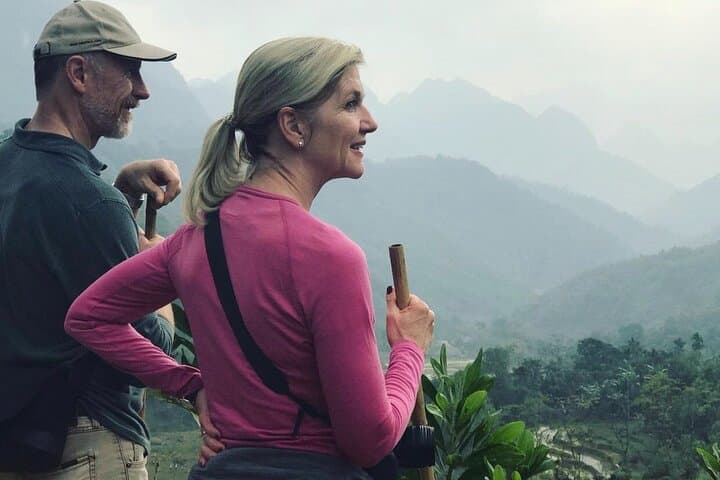
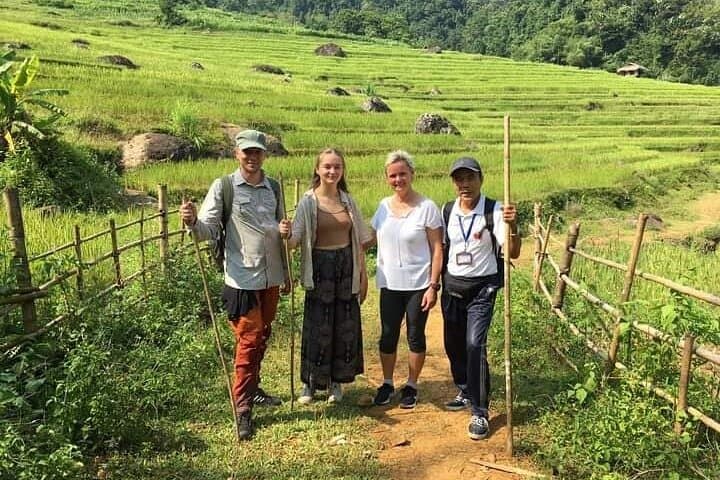
On a typical 2-day itinerary the effort is gentle: a morning market visit on Thung Khe pass, followed by 8–15 km of cycling or walking on flat, village lanes (elevation change under 200 m). In Pu Luong expect steeper footpaths—treks of 6–12 km with intermittent climbs to 300–600 m viewpoints and a chance to enter Kho Muong cave. A 3- or 4-day option stretches those days, adding village-to-village hikes, a bamboo-raft float on green tributaries, and time for the karst-framed boat rides of Tam Coc near Ninh Binh.
Culture is part of the terrain: homestays offer private rooms and dinners of com tam, grilled river fish, and sticky rice. Guides introduce you to household terraces, the giant wooden waterwheels that still lift irrigation water, and Muong market bargaining where pork, hemp cloth, and seasonal produce circulate.
Practicalities: the tour is driven from Hanoi in an air-conditioned vehicle (2.5–4 hours depending on traffic). Trails are mostly well-worn but can be muddy after rain; good hiking shoes with grip matter more than technical gear. Bring a lightweight rain jacket, at least 2 liters of water per day, and sun protection. If you want morning light on terraces, ask to rise before dawn for the best photos and cooler hiking.
For travelers aiming to balance activity and ease: these itineraries suit moderate fitness—daily movement without technical scrambling. Conservation-wise, the areas manage tourism carefully; stay on trails, refuse single-use plastic, and tip locally. At day’s end the valley quiets—fields folding down like shutters—leaving the sense that the landscape is not just seen, it receives you.
moderate.
2–4 days.
Suitable for travelers who can walk 6–12 km per day with some elevation gain; basic endurance is sufficient.
Expect 2.5–4 hours to Mai Chau depending on traffic; Pu Luong is roughly 3–4 hours from Hanoi by road.
Yes—most walking is on village tracks or established trails; choose the 2-day option for a lower-activity pace.
Yes—private rooms are included in the itinerary for each night of the tour.
Visa requirements depend on your nationality; obtain Vietnamese visa information before booking—this tour operator does not handle visas.
Meals listed (breakfast, lunch, dinner) are included for the tour duration and usually feature local dishes; notify dietary needs when booking.
Yes—the operator notes infant seats available; indicate ages and special needs at booking so guides can adapt activities.
The valley is traditional Muong and Thai agricultural land; terraces and stilt houses reflect centuries of wet-rice farming.
Pu Luong and surrounding areas prioritize low-impact tourism—stick to trails, avoid feeding wildlife, and use refillable bottles to limit waste.
Authentic Adventures operates guided outdoor trips and adventures with an emphasis on safety, stewardship, and memorable experiences.

You step out of the van and the valley inhales. In Mai Chau the road drops away and rice paddies fan out like low mirrors, punctuated by stilt houses and the slow sweep of waterwheels. The air smells of damp earth and cooking fires; distant boots and bicycle bells mark a human rhythm that the limestone hills take in and hold.
You step out of the van and the valley inhales. In Mai Chau the road drops away and rice paddies fan out like low mirrors, punctuated by stilt houses and the slow sweep of waterwheels. The air smells of damp earth and cooking fires; distant boots and bicycle bells mark a human rhythm that the limestone hills take in and hold.
The route links three of northern Vietnam's most immediate landscapes: the low, cultivated bowl of Mai Chau; the forested karst cliffs and mixed hardwoods of Pu Luong Nature Reserve; and the river-sculpted plains around Ninh Binh, where sampans thread cave mouths. Geologically, this stretch is the outer shoulder of the Truong Son range, where karst limestone has been chewed by rain into caves and cliffs. Historically, the valleys have long sheltered Muong and Thai communities—rice terraces, bamboo architecture, and market days that still follow seasonal cycles.
On a typical 2-day itinerary the effort is gentle: a morning market visit on Thung Khe pass, followed by 8–15 km of cycling or walking on flat, village lanes (elevation change under 200 m). In Pu Luong expect steeper footpaths—treks of 6–12 km with intermittent climbs to 300–600 m viewpoints and a chance to enter Kho Muong cave. A 3- or 4-day option stretches those days, adding village-to-village hikes, a bamboo-raft float on green tributaries, and time for the karst-framed boat rides of Tam Coc near Ninh Binh.
Culture is part of the terrain: homestays offer private rooms and dinners of com tam, grilled river fish, and sticky rice. Guides introduce you to household terraces, the giant wooden waterwheels that still lift irrigation water, and Muong market bargaining where pork, hemp cloth, and seasonal produce circulate.
Practicalities: the tour is driven from Hanoi in an air-conditioned vehicle (2.5–4 hours depending on traffic). Trails are mostly well-worn but can be muddy after rain; good hiking shoes with grip matter more than technical gear. Bring a lightweight rain jacket, at least 2 liters of water per day, and sun protection. If you want morning light on terraces, ask to rise before dawn for the best photos and cooler hiking.
For travelers aiming to balance activity and ease: these itineraries suit moderate fitness—daily movement without technical scrambling. Conservation-wise, the areas manage tourism carefully; stay on trails, refuse single-use plastic, and tip locally. At day’s end the valley quiets—fields folding down like shutters—leaving the sense that the landscape is not just seen, it receives you.