THE ADVENTURE COLLECTIVE® · Independent discovery and booking for outdoor travel

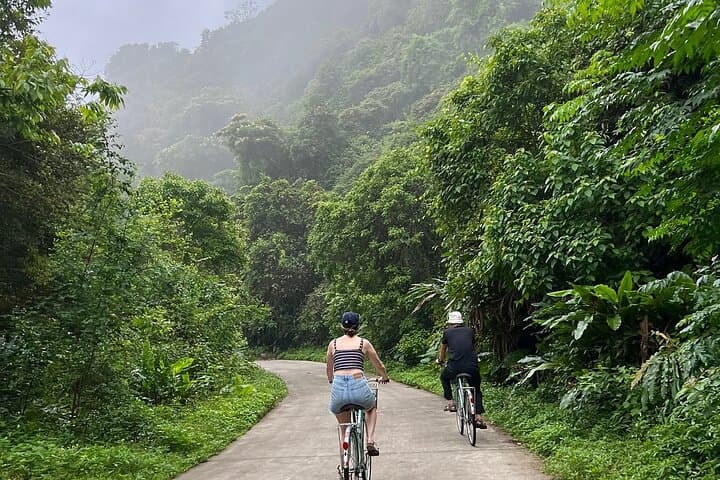
A private day-trip from Hanoi that pairs easy trekking with intimate village visits among the White Thai stilt houses of Mai Châu. Ride through farmland, walk the rice-field lanes, and stop with woven-cloth artisans for an unhurried cultural exchange.
A private day-trip from Hanoi that pairs easy trekking with intimate village visits among the White Thai stilt houses of Mai Châu. Ride through farmland, walk the rice-field lanes, and stop with woven-cloth artisans for an unhurried cultural exchange.
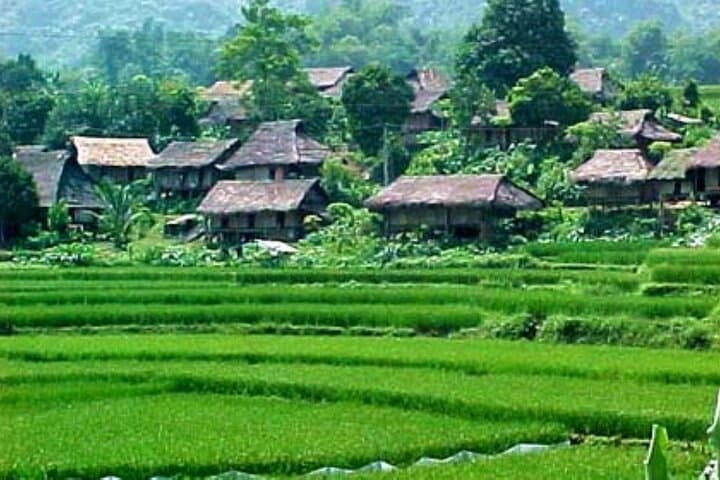
You roll out of Hanoi before dawn and the highway unwinds away from the city’s neon and traffic noise. By midmorning the air is cooler, the landscape flattening into a wide green bowl; rice paddies reflect the sky like small, patient mirrors and a scattering of stilt houses sit above the fields like quiet outposts. The guide parks; you step down onto a narrow dirt track and the valley’s pace presses in—slower, deliberate, human.
Verified experiences and guided adventures in the surrounding area.
Operated by Vega Travel · Mai Chau, Hoa Binh Province
You roll out of Hanoi before dawn and the highway unwinds away from the city’s neon and traffic noise. By midmorning the air is cooler, the landscape flattening into a wide green bowl; rice paddies reflect the sky like small, patient mirrors and a scattering of stilt houses sit above the fields like quiet outposts. The guide parks; you step down onto a narrow dirt track and the valley’s pace presses in—slower, deliberate, human.
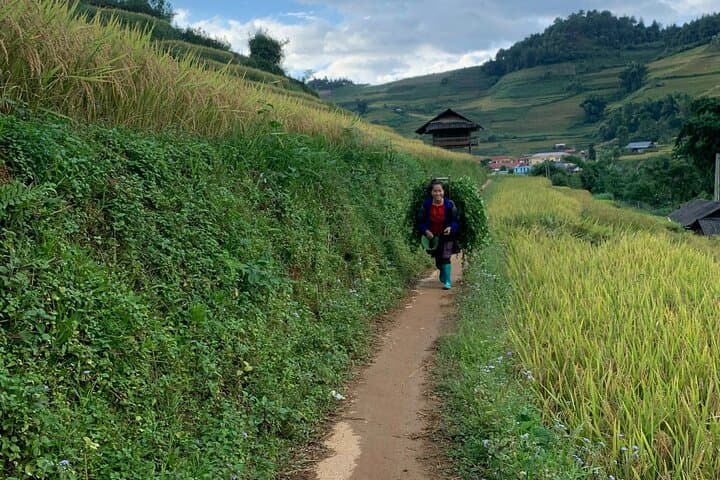
Mai Châu sits roughly 150 km northwest of Hanoi in Hoa Binh Province. The valley is dominated by alluvial plains cut into terraces where generations of the White Thai minority have flattened and irrigated slopes to grow sticky rice. Geologically, the area is not high alpine; the surrounding ridgelines are older, folded sedimentary hills that cradle the basin and channel seasonal water into the paddies. Culturally, Mai Châu is remarkable for its stilt houses, handwoven textiles and communal rhythms: mornings of threshing and weaving, afternoons where women bend over traditional looms beneath the eaves.
Your private day follows quiet ribbons of trail that link Lac, Van and Khom Coong villages. Expect about three hours of easy walking across paths and packed-earth lanes, punctuated by visits to households who will invite you briefly into their kitchens and living spaces. The villages are living museums — not staged — where you can watch women at looms, photograph slender stilts and wooden joinery, and learn rice-growing practices from people who still mark the year by harvests.
Practical edge: this is a full-day private tour (about 7–8 hours including round-trip driving from Hanoi) with a set local lunch. The walking is low-elevation but can be uneven and muddy after rain. Guides typically handle logistics and translation; bring small bills for purchases or a tea given by a host. Respect is direct and specific here — always ask before photographing someone, remove shoes when invited into a home, and accept food or tea as an honor.
Timing matters: mornings and late afternoons offer the best light and coolest temperatures for both walking and photography. Midday can be hot and the sun harsh across the open paddies.
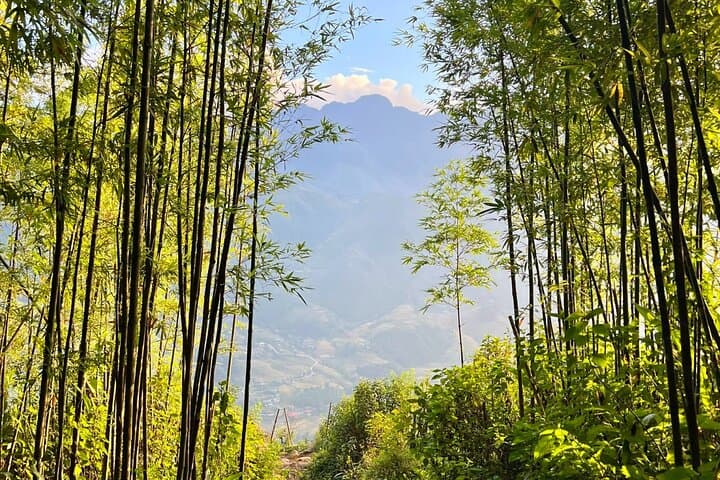
If you want to stretch the day, add a short detour through lanes off the main route to find reed-thatched houses and quiet viewpoints over terraces. For travelers coming from Hanoi this is an efficient cultural immersion: light trekking, rich local encounters, and enough open space to feel the valley breathe — a clean, immediate contrast to the city’s intensity.
easy.
7–8 hours.
Suitable for most travelers who can walk 2–3 hours over flat to gently undulating terrain; minimal elevation change.
The trip is about 150 km northwest of Hanoi with a door-to-door itinerary that typically totals 7–8 hours, including roughly 2.5–3 hours of driving each way.
Expect about 2–3 hours of easy walking across packed-earth lanes and village tracks, broken into shorter sections with time for visits and photos.
Yes—this is a low-intensity day trip suitable for most ages, but it’s not recommended for guests with serious back or heart problems due to the day length and some uneven terrain.
Lunch is included as a local set menu—typically home-style dishes reflecting regional cuisine; bring snacks if you have dietary concerns and communicate those when booking.
Yes—Lac village has weaving demonstrations and small shops selling traditional garments; bring cash and be prepared to barter politely.
Always ask permission first; many hosts are happy to be photographed but may expect a small token of appreciation for posed portraits.
Mai Châu has long been home to the White Thai ethnic group whose migratory history links to Tai-speaking peoples across Southeast Asia; their stilt-house architecture and weaving patterns reflect this shared cultural lineage.
Seasonal rice cultivation and increasing tourism put pressure on water use and waste systems—pack out plastics and follow local guidance to minimize impact.
Vega Travel operates guided outdoor trips and adventures with an emphasis on safety, stewardship, and memorable experiences.
You roll out of Hanoi before dawn and the highway unwinds away from the city’s neon and traffic noise. By midmorning the air is cooler, the landscape flattening into a wide green bowl; rice paddies reflect the sky like small, patient mirrors and a scattering of stilt houses sit above the fields like quiet outposts. The guide parks; you step down onto a narrow dirt track and the valley’s pace presses in—slower, deliberate, human.
You roll out of Hanoi before dawn and the highway unwinds away from the city’s neon and traffic noise. By midmorning the air is cooler, the landscape flattening into a wide green bowl; rice paddies reflect the sky like small, patient mirrors and a scattering of stilt houses sit above the fields like quiet outposts. The guide parks; you step down onto a narrow dirt track and the valley’s pace presses in—slower, deliberate, human.
Mai Châu sits roughly 150 km northwest of Hanoi in Hoa Binh Province. The valley is dominated by alluvial plains cut into terraces where generations of the White Thai minority have flattened and irrigated slopes to grow sticky rice. Geologically, the area is not high alpine; the surrounding ridgelines are older, folded sedimentary hills that cradle the basin and channel seasonal water into the paddies. Culturally, Mai Châu is remarkable for its stilt houses, handwoven textiles and communal rhythms: mornings of threshing and weaving, afternoons where women bend over traditional looms beneath the eaves.
Your private day follows quiet ribbons of trail that link Lac, Van and Khom Coong villages. Expect about three hours of easy walking across paths and packed-earth lanes, punctuated by visits to households who will invite you briefly into their kitchens and living spaces. The villages are living museums — not staged — where you can watch women at looms, photograph slender stilts and wooden joinery, and learn rice-growing practices from people who still mark the year by harvests.
Practical edge: this is a full-day private tour (about 7–8 hours including round-trip driving from Hanoi) with a set local lunch. The walking is low-elevation but can be uneven and muddy after rain. Guides typically handle logistics and translation; bring small bills for purchases or a tea given by a host. Respect is direct and specific here — always ask before photographing someone, remove shoes when invited into a home, and accept food or tea as an honor.
Timing matters: mornings and late afternoons offer the best light and coolest temperatures for both walking and photography. Midday can be hot and the sun harsh across the open paddies.
If you want to stretch the day, add a short detour through lanes off the main route to find reed-thatched houses and quiet viewpoints over terraces. For travelers coming from Hanoi this is an efficient cultural immersion: light trekking, rich local encounters, and enough open space to feel the valley breathe — a clean, immediate contrast to the city’s intensity.